Introduction
Renewable Energy Systems are transforming the way the world produces and consumes electricity. As concerns about climate change, environmental degradation, and rising energy costs continue to grow, renewable energy has become one of the most important solutions for creating a sustainable future. Unlike fossil fuels such as coal, oil, and natural gas, renewable energy sources are naturally replenished and can provide long-term energy security.
Today, homes, businesses, industries, and governments are investing heavily in renewable energy technologies to reduce carbon emissions and decrease dependence on non-renewable resources. Solar panels, wind turbines, hydroelectric systems, geothermal plants, and biomass energy facilities are becoming increasingly common across the globe. These technologies not only support environmental protection but also contribute to economic growth and job creation.
For beginners, understanding renewable energy systems may seem complicated at first because multiple technologies and processes are involved. However, the basic concept is simple: capturing energy from naturally occurring resources and converting it into usable electricity or heat. With technological advancements and declining installation costs, renewable energy systems are becoming more accessible than ever before.
This comprehensive guide explains what renewable energy systems are, why they matter, how they work, their advantages and disadvantages, common mistakes to avoid, and practical steps for implementing them successfully.
What is Renewable Energy Systems?
Renewable Energy Systems refer to technologies and infrastructure designed to generate energy from naturally replenishing resources. These resources include sunlight, wind, water, geothermal heat, and organic materials. Unlike fossil fuels, renewable energy sources do not become depleted through regular use, making them sustainable for long-term energy production.
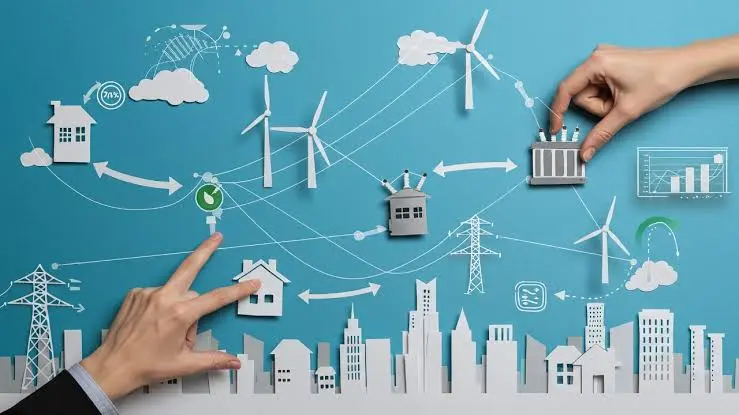
A renewable energy system typically consists of energy collection equipment, conversion technologies, storage solutions, distribution mechanisms, and monitoring systems. These components work together to transform natural resources into electricity, heating, cooling, or fuel for various applications. The primary objective is to provide reliable energy while minimizing environmental impact.
Renewable energy systems can operate on a small scale, such as residential rooftop solar installations, or on a large scale, such as utility-grade wind farms and hydroelectric power plants. Their flexibility allows them to serve individual households, businesses, communities, and entire national power grids.
As technology continues to evolve, renewable energy systems are becoming more efficient, affordable, and widely adopted, making them a critical part of the global transition toward sustainable energy.
Why is Renewable Energy Systems Important?

Renewable energy systems play a vital role in addressing some of the world's most pressing challenges. Traditional energy sources contribute significantly to greenhouse gas emissions, air pollution, and environmental degradation. Renewable energy offers a cleaner alternative that helps reduce these negative impacts while meeting growing energy demands.
Energy security is another major reason renewable energy systems are important. Many countries rely heavily on imported fossil fuels, making them vulnerable to price fluctuations and supply disruptions. Renewable resources are locally available in most regions, allowing countries to increase energy independence and stability.
Economic benefits also contribute to the importance of renewable energy systems. The renewable energy sector creates millions of jobs worldwide in manufacturing, installation, maintenance, engineering, and research. As technology improves, renewable energy continues to become more cost-effective compared to conventional energy sources.
Additionally, renewable energy systems support sustainable development by providing electricity to remote areas, improving public health through reduced pollution, and helping nations achieve climate goals. Their growing adoption is essential for creating a cleaner, safer, and more resilient future.
Detailed Step-by-Step Guide
Step 1: Understand Energy Requirements
Before selecting a renewable energy system, determine your energy needs. Calculate current electricity consumption by reviewing utility bills and identifying major energy-consuming appliances.
Understanding energy demand helps ensure the chosen system generates sufficient power without unnecessary oversizing or undersizing. Accurate energy assessments improve efficiency and reduce costs.
Step 2: Evaluate Available Renewable Resources
Different locations have varying renewable energy potential. Assess the availability of sunlight, wind speed, water resources, geothermal activity, or biomass materials in your area.
A solar energy system performs best in regions with strong sunlight, while wind turbines require consistent wind speeds. Resource assessment ensures optimal system performance.
Step 3: Select the Appropriate Technology
Choose the renewable energy technology that best matches local conditions and energy requirements.
Common options include:
- Solar photovoltaic (PV) systems
- Wind energy systems
- Hydropower systems
- Geothermal energy systems
- Biomass energy systems
Each technology has unique advantages, installation requirements, and maintenance considerations.
Step 4: Conduct Site Assessment
A thorough site evaluation helps identify potential challenges before installation. Factors to examine include:
- Available space
- Structural integrity
- Shading issues
- Accessibility
- Environmental conditions
- Local regulations
Proper site assessment reduces installation complications and maximizes energy production.
Step 5: Design the System
System design involves selecting equipment and determining system capacity. Important components include:
- Energy generators
- Inverters
- Batteries
- Controllers
- Wiring
- Monitoring systems
A well-designed system balances performance, reliability, and cost-effectiveness.
Step 6: Calculate Budget and Financing
Determine total project costs, including equipment, installation, permits, maintenance, and potential upgrades.
Explore financing options such as:
- Personal investment
- Government incentives
- Green energy loans
- Tax credits
- Utility rebates
Financial planning helps ensure long-term project viability.
Step 7: Obtain Necessary Permits
Many renewable energy projects require permits and regulatory approvals. Consult local authorities and utility providers to understand legal requirements.
Compliance with regulations ensures safety and prevents future legal complications.
Step 8: Install the System
Professional installation is recommended for most renewable energy systems. Qualified technicians ensure proper equipment setup, electrical connections, and safety compliance.
Installation quality significantly influences system efficiency and lifespan.
Step 9: Integrate Energy Storage
Energy storage systems, particularly batteries, improve reliability by storing excess energy for later use.
Battery storage helps maintain power availability during cloudy days, low wind conditions, or grid outages.
Step 10: Monitor and Maintain Performance
Regular monitoring ensures optimal operation. Maintenance activities may include:
- Cleaning solar panels
- Inspecting wiring
- Checking battery health
- Servicing turbines
- Updating software
Routine maintenance extends equipment lifespan and maintains energy production efficiency.
Benefits of Renewable Energy Systems
- Reduces greenhouse gas emissions
- Decreases dependence on fossil fuels
- Improves air quality
- Provides sustainable long-term energy
- Enhances energy security
- Creates employment opportunities
- Reduces electricity bills over time
- Supports environmental conservation
- Encourages technological innovation
- Requires relatively low operating costs
- Increases property value in many cases
- Provides energy access in remote regions
- Helps achieve sustainability goals
- Reduces exposure to fuel price volatility
- Supports economic development
Disadvantages / Risks
- High initial installation costs
- Weather-dependent energy generation
- Energy storage can be expensive
- Land use requirements for large projects
- Intermittent power production
- Equipment replacement costs over time
- Grid integration challenges
- Site-specific limitations
- Potential visual and noise concerns for wind systems
- Resource availability varies by location
- Technical expertise may be required
- Regulatory approval processes can be complex
- Some technologies require significant upfront planning
- Maintenance is still necessary despite lower operating costs
Common Mistakes to Avoid
One of the most common mistakes is failing to conduct a proper energy assessment before installation. Without understanding actual energy consumption patterns, systems may be incorrectly sized, resulting in poor performance or unnecessary expenses.
Another frequent error is choosing technology based solely on popularity rather than suitability. A solar system may work exceptionally well in one location but perform poorly in another due to climate conditions. Careful resource evaluation should always guide technology selection.
Many beginners also underestimate maintenance requirements. Although renewable energy systems generally require less maintenance than traditional energy infrastructure, regular inspections remain essential for maintaining efficiency and preventing costly repairs.
Ignoring battery storage considerations can create reliability issues. Energy production does not always match consumption patterns, making storage solutions valuable for ensuring continuous power availability.
Poor installation practices represent another significant mistake. Working with qualified professionals helps avoid safety hazards, system failures, and reduced performance.
Finally, overlooking future energy needs can limit long-term benefits. When designing a system, consider possible increases in energy consumption resulting from additional appliances, electric vehicles, or business expansion.
FAQs
1. What are the main types of renewable energy systems?
The primary types include solar energy, wind energy, hydropower, geothermal energy, and biomass energy systems. Each technology converts naturally occurring resources into usable energy through different processes.
2. Are renewable energy systems expensive?
Initial installation costs can be significant, but operating costs are generally low. Many users recover their investment through energy savings, incentives, and reduced utility bills over time.
3. How long do renewable energy systems last?
Most renewable energy equipment has a long lifespan. Solar panels often last 25 to 30 years or more, while wind turbines and other systems can operate efficiently for decades with proper maintenance.
4. Can renewable energy completely replace fossil fuels?
Renewable energy has the potential to replace a substantial portion of fossil fuel usage. However, achieving complete replacement requires advances in energy storage, grid infrastructure, and technology deployment.
5. Do renewable energy systems work during bad weather?
Performance may decrease during unfavorable weather conditions. Solar panels generate less electricity on cloudy days, and wind turbines require sufficient wind speeds. Energy storage systems help maintain reliability during these periods.
6. Is battery storage necessary?
Battery storage is not always mandatory, but it significantly improves energy independence and reliability. Batteries store excess energy for use when renewable generation is low or unavailable.
7. Which renewable energy source is best for homes?
Solar energy is often the most practical option for residential applications due to widespread availability, declining costs, and relatively simple installation requirements. However, suitability depends on local conditions.
8. How can businesses benefit from renewable energy systems?
Businesses can reduce operating costs, improve sustainability performance, enhance brand reputation, meet environmental targets, and protect themselves from future energy price increases.
Expert Tips & Bonus Points
Start with a detailed energy audit before investing in any renewable energy system. Understanding current energy consumption patterns helps maximize return on investment and improve system design accuracy.
Prioritize energy efficiency improvements before installing renewable technologies. Reducing energy waste often provides immediate savings and allows for smaller, less expensive renewable energy systems.
Choose high-quality equipment from reputable manufacturers. While cheaper options may appear attractive initially, premium components often deliver better performance, reliability, and longevity.
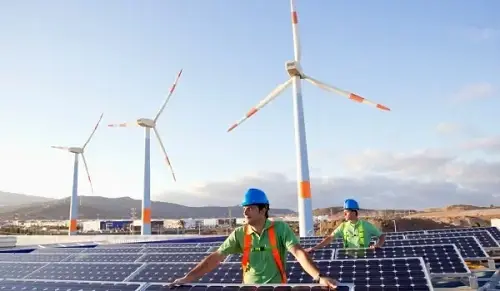
Consider hybrid renewable systems that combine multiple energy sources. For example, solar panels paired with wind turbines can provide more consistent energy production throughout the year.
Implement smart monitoring systems to track performance in real time. Data-driven maintenance helps identify issues early and optimize energy generation.
Stay informed about government incentives, grants, and tax benefits. Financial support programs can significantly reduce project costs and improve investment returns.
Plan for future expansion. Designing systems with scalability in mind allows easier upgrades as energy needs increase over time.
Conclusion
Renewable Energy Systems represent one of the most effective solutions for meeting modern energy demands while protecting the environment. By harnessing naturally replenishing resources such as sunlight, wind, water, geothermal heat, and biomass, these systems provide sustainable alternatives to traditional fossil fuel-based energy generation. Their ability to reduce greenhouse gas emissions, improve energy security, and support economic growth makes them essential for long-term global sustainability.
Although renewable energy systems require careful planning, investment, and maintenance, their benefits often outweigh the challenges. Falling technology costs, improved efficiency, and expanding government support have made renewable energy more accessible than ever before. Whether for residential, commercial, industrial, or utility-scale applications, renewable technologies continue to demonstrate their value as reliable energy solutions.
For beginners, success starts with understanding energy requirements, evaluating available resources, selecting suitable technologies, and ensuring proper installation and maintenance. Avoiding common mistakes and following best practices can significantly improve system performance and financial returns.
As the world moves toward cleaner and more sustainable energy sources, renewable energy systems will continue playing a central role in shaping the future. Investing in renewable energy today not only provides immediate benefits but also contributes to a healthier environment and a more resilient energy landscape for generations to come.