Introduction
Solar energy solutions have become one of the most popular and effective ways to generate clean electricity for homes, businesses, and industries. As energy costs continue to rise and environmental concerns grow worldwide, more people are turning to solar power as a reliable and sustainable alternative to traditional energy sources.
Solar technology uses sunlight to produce electricity or heat, reducing dependence on fossil fuels while lowering utility bills. Thanks to advancements in technology, solar energy systems are now more efficient, affordable, and accessible than ever before. From residential rooftop panels to large-scale solar farms, solar solutions are transforming the global energy landscape.
For beginners, understanding solar energy can seem complicated at first. There are different types of solar systems, equipment, installation processes, and maintenance requirements. However, with the right knowledge, anyone can understand how solar power works and determine whether it is the right investment for their needs.
This comprehensive guide explains everything you need to know about solar energy solutions. You will learn what solar energy is, why it matters, how to install a solar system step by step, the benefits and challenges involved, common mistakes to avoid, and expert recommendations for maximizing your solar investment. Whether you are a homeowner, business owner, or simply interested in renewable energy, this guide will help you make informed decisions about solar power.
What is Solar Energy Solutions?
Solar energy solutions refer to technologies, systems, and services that capture sunlight and convert it into usable electricity or thermal energy. These solutions are designed to provide clean, renewable, and sustainable power while reducing reliance on conventional energy sources such as coal, oil, and natural gas.
The most common solar energy solution involves photovoltaic (PV) panels, which convert sunlight directly into electricity. These panels are installed on rooftops, open land, commercial buildings, and industrial facilities. The electricity generated can be used immediately, stored in batteries, or sent back to the electrical grid.
Solar energy solutions also include solar water heaters, solar-powered lighting systems, battery storage technologies, solar inverters, monitoring systems, and grid-tied or off-grid solar installations. Together, these components create efficient systems capable of supplying energy for various applications while minimizing environmental impact.
Why is Solar Energy Solutions Important?
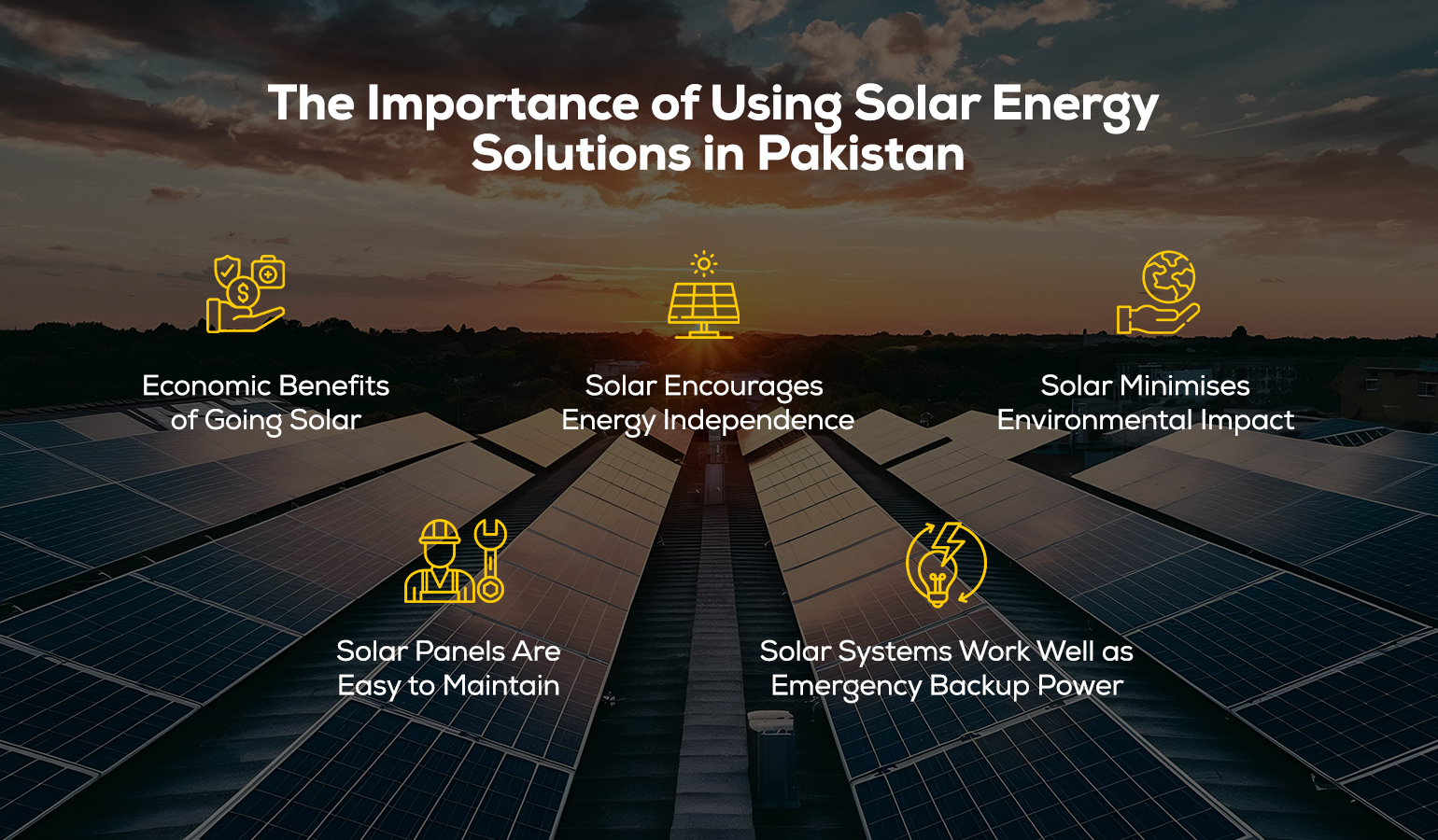
Solar energy solutions play a vital role in addressing modern energy challenges. With increasing global demand for electricity and growing concerns about climate change, renewable energy sources have become essential for creating a sustainable future.
Unlike fossil fuels, solar energy is abundant and renewable. The sun provides enough energy to power the world many times over. By harnessing this energy, individuals and organizations can reduce greenhouse gas emissions, decrease dependence on imported fuels, and improve energy security.
Solar solutions also contribute to economic growth by creating jobs in manufacturing, installation, maintenance, and research. As technology advances and costs continue to decline, solar energy is becoming one of the most cost-effective electricity generation methods available today. This makes it an attractive option for both developed and developing regions seeking long-term energy independence.
Detailed Step-by-Step Guide
Step 1: Understand Your Energy Needs
Before investing in solar energy, evaluate your electricity consumption. Review utility bills from the past 12 months to determine your average monthly and annual energy usage.
Understanding your consumption patterns helps determine the appropriate system size. Larger households or businesses typically require larger solar installations to meet their energy demands effectively.
Step 2: Assess Your Property
A proper site assessment is crucial for solar system performance. Examine your roof's condition, orientation, shading, and available space.
South-facing roofs generally receive maximum sunlight exposure in many regions. Trees, nearby buildings, or other obstacles that create shade can reduce solar panel efficiency and should be considered during planning.
Step 3: Choose the Right Solar System
There are three primary types of solar systems:
Grid-Tied Solar System
This system connects directly to the utility grid. Excess electricity can often be exported to the grid, while additional power can be imported when solar production is low.
Off-Grid Solar System
Off-grid systems operate independently without utility connections. They rely on battery storage to provide electricity during nighttime or cloudy weather.
Hybrid Solar System
Hybrid systems combine grid connectivity with battery storage. They provide greater flexibility, backup power, and improved energy independence.
Step 4: Select Quality Solar Components
The performance and lifespan of your solar system depend heavily on component quality.
Key components include:
- Solar panels
- Solar inverter
- Mounting structure
- Batteries (if applicable)
- Monitoring system
- Wiring and safety equipment
Choose products from reputable manufacturers with strong warranties and proven performance records.
Step 5: Calculate System Size
System sizing depends on:
- Daily energy consumption
- Available roof space
- Local sunlight conditions
- Future energy needs
- Budget considerations
A properly sized system ensures optimal energy production without overspending on unnecessary capacity.
Step 6: Obtain Necessary Permits
Many locations require permits and approvals before solar installation can begin. Regulatory requirements vary depending on local authorities and utility providers.
Working with experienced solar professionals can simplify the permitting process and ensure compliance with all applicable regulations.
Step 7: Install Mounting Structures
Mounting structures provide secure support for solar panels. Proper installation is essential for safety, durability, and long-term performance.
Installers must ensure structures can withstand wind, rain, and other environmental conditions while maintaining optimal panel positioning.
Step 8: Install Solar Panels
Solar panels are carefully mounted onto support structures and connected according to system design specifications.
Correct panel placement maximizes sunlight exposure and energy generation while minimizing potential performance losses.
Step 9: Install the Inverter and Electrical Components
The inverter converts direct current (DC) generated by solar panels into alternating current (AC), which powers household appliances and equipment.
Additional electrical components, including disconnect switches and protection devices, ensure safe and efficient operation.
Step 10: Connect Batteries (If Required)
Battery storage systems store excess solar energy for later use. This energy can be utilized during nighttime hours, power outages, or periods of low solar production.
Modern lithium-ion batteries offer high efficiency, longer lifespans, and improved performance compared to older battery technologies.
Step 11: Test the System
After installation, technicians perform comprehensive testing to verify proper operation.
Testing includes checking electrical connections, inverter functionality, monitoring systems, and overall energy production performance.
Step 12: Monitor and Maintain Performance
Continuous monitoring helps identify performance issues early and ensures optimal energy production.
Most modern solar systems include monitoring software that provides real-time data on electricity generation and system health.
Benefits of Solar Energy Solutions
- Reduces monthly electricity bills
- Provides clean and renewable energy
- Lowers carbon footprint
- Increases property value
- Reduces dependence on fossil fuels
- Offers long-term financial savings
- Requires minimal maintenance
- Enhances energy independence
- Supports environmental sustainability
- Creates employment opportunities
- Improves energy security
- Operates quietly
- Long system lifespan of 25 years or more
- Can qualify for government incentives in some regions
- Scalable for residential and commercial use
Disadvantages / Risks
- High initial installation cost
- Energy production depends on sunlight availability
- Reduced efficiency during cloudy weather
- Battery systems can be expensive
- Requires adequate installation space
- Performance may decline over time
- Roof suitability can affect installation options
- Improper installation can reduce efficiency
- Maintenance may be required for optimal performance
- Energy storage limitations without batteries
- Upfront investment may not fit every budget
- Extreme weather can occasionally impact system performance
Common Mistakes to Avoid
One of the most common mistakes is choosing a solar system based solely on price. Low-cost systems may use inferior components that reduce efficiency and shorten system lifespan. Quality should always be a priority when evaluating solar products.
Another mistake is failing to conduct a proper site assessment. Ignoring shading issues, roof condition, or structural limitations can significantly reduce energy production and system effectiveness over time.
Many people also underestimate future energy needs. If you plan to add electric vehicles, new appliances, or business equipment later, your system should be designed with future expansion in mind.
Poor maintenance practices can also affect performance. While solar systems require relatively little maintenance, regular cleaning and periodic inspections help maximize energy production and extend equipment life.
Finally, some property owners overlook warranty coverage and installer experience. Choosing qualified professionals and understanding warranty terms can prevent costly problems and ensure long-term satisfaction.
FAQs
1. How do solar panels generate electricity?
Solar panels contain photovoltaic cells that absorb sunlight and convert it into direct current electricity. An inverter then converts this electricity into alternating current for household and commercial use.
2. How long do solar panels last?
Most high-quality solar panels have a lifespan of 25 to 30 years or more. Many systems continue producing electricity beyond this period, although efficiency gradually decreases over time.
3. Do solar panels work during cloudy weather?
Yes, solar panels still generate electricity on cloudy days. However, energy production is lower compared to bright, sunny conditions because less sunlight reaches the panels.
4. Are batteries necessary for solar systems?
No, batteries are not required for all solar systems. Grid-tied systems can operate without batteries, while off-grid and hybrid systems often use batteries for energy storage and backup power.
5. How much maintenance does a solar system require?
Solar systems require minimal maintenance. Occasional cleaning, periodic inspections, and monitoring system performance are typically sufficient to maintain efficient operation.
6. Can solar energy power an entire home?
Yes, a properly designed solar system can provide enough electricity to power an entire home. The required system size depends on household energy consumption and local sunlight conditions.
7. Is solar energy environmentally friendly?
Solar energy is one of the most environmentally friendly energy sources available. It generates electricity without producing greenhouse gas emissions during operation.
8. How much money can solar energy save?
Savings vary depending on electricity rates, energy consumption, system size, and sunlight availability. Many users experience substantial reductions in utility bills over the system's lifetime.
Expert Tips & Bonus Points
Start with a detailed energy audit before purchasing a solar system. Understanding your energy usage helps optimize system design and improve return on investment.
Invest in high-efficiency solar panels if roof space is limited. Premium panels often produce more electricity from the same installation area, maximizing energy output.
Consider battery storage if power outages are common in your area. Batteries provide additional energy security and improve overall system flexibility.
Monitor system performance regularly through dedicated software platforms. Early detection of issues can prevent energy losses and reduce maintenance costs.
Keep panels clean and free from debris. Dust, leaves, and dirt can reduce efficiency and lower overall electricity generation.
Work only with experienced and certified installers. Professional installation significantly improves safety, reliability, and long-term performance.
Evaluate future energy requirements before finalizing system size. Planning ahead can save money and avoid costly upgrades later.
Compare warranties carefully. Strong product and performance warranties provide valuable protection and peace of mind throughout the system's lifespan.
Conclusion
Solar energy solutions are transforming the way people generate and consume electricity. By harnessing the power of the sun, homeowners, businesses, and communities can access clean, renewable energy while reducing dependence on traditional fossil fuels. As technology continues to advance, solar systems are becoming more efficient, affordable, and accessible for users around the world.
For beginners, understanding solar energy starts with learning the basics of system components, installation requirements, and energy production principles. A successful solar project requires careful planning, quality equipment, professional installation, and ongoing monitoring. When implemented correctly, solar systems can provide decades of reliable performance and substantial financial savings.
The benefits of solar energy extend far beyond lower utility bills. Solar power supports environmental sustainability, enhances energy security, reduces carbon emissions, and contributes to a cleaner future for generations to come. Although there are some challenges, such as initial investment costs and weather dependency, the long-term advantages often outweigh these concerns.
Whether your goal is reducing electricity expenses, increasing energy independence, or supporting renewable energy adoption, solar energy solutions offer a practical and effective path forward. By making informed decisions and following best practices, you can maximize the value of your investment and enjoy the many rewards that solar power provides for years to come.