Introduction
Smart Energy Management is transforming the way individuals, businesses, and industries use energy. As energy costs continue to rise and environmental concerns become more significant, managing energy efficiently has become a necessity rather than an option. Smart Energy Management combines modern technology, automation, data analytics, and intelligent monitoring systems to optimize energy consumption while maintaining comfort, productivity, and operational efficiency.
The primary goal of Smart Energy Management is to reduce waste, improve efficiency, lower utility bills, and support sustainability initiatives. Whether it is a homeowner using smart thermostats, a business monitoring electricity consumption, or a factory optimizing production energy use, smart energy solutions provide valuable insights that lead to better decision-making.
For beginners, the concept may seem technical, but it is actually straightforward. By collecting real-time energy data and using automated systems, users can identify unnecessary energy usage and implement corrective actions. The result is a more efficient and environmentally responsible approach to energy consumption.
This comprehensive guide explains everything you need to know about Smart Energy Management, including its importance, implementation process, benefits, challenges, common mistakes, and expert recommendations. By the end of this article, you will have a clear understanding of how Smart Energy Management works and how it can help save money while contributing to a greener future.
What is Smart Energy Management?
Smart Energy Management refers to the process of monitoring, controlling, analyzing, and optimizing energy consumption using advanced technologies and intelligent systems. It involves collecting real-time data from various energy-consuming devices and using that information to improve efficiency and reduce waste.
Unlike traditional energy management methods, which rely on manual monitoring and periodic assessments, smart systems provide continuous tracking and automated control. These systems use sensors, smart meters, software platforms, and connected devices to gather information and make intelligent decisions.
Smart Energy Management can be applied in residential homes, commercial buildings, industrial facilities, educational institutions, healthcare centers, and public infrastructure. The system helps users understand where energy is being consumed and identifies opportunities for improvement.
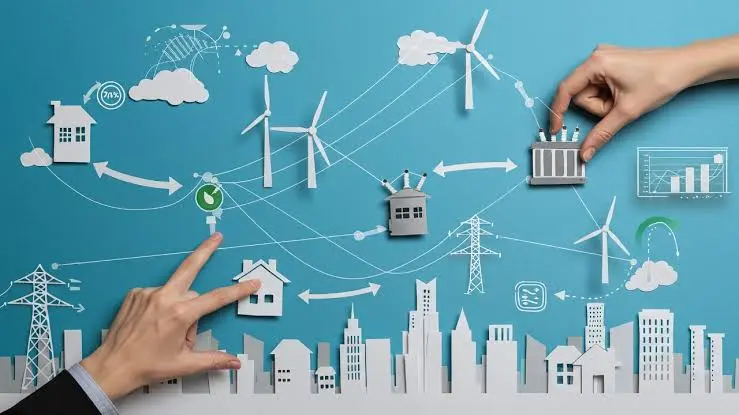
Modern Smart Energy Management solutions often integrate with renewable energy sources such as solar panels, battery storage systems, and electric vehicle charging stations. This integration allows users to maximize energy efficiency while reducing dependence on conventional power sources.
Why is Smart Energy Management Important?

Energy consumption is increasing globally due to population growth, urbanization, and technological advancements. Without proper management, excessive energy use can lead to higher utility costs, resource depletion, and increased greenhouse gas emissions.
Smart Energy Management provides a proactive approach to addressing these challenges. By continuously monitoring energy consumption, users can identify inefficiencies and take immediate corrective actions. This leads to substantial cost savings and improved operational performance.
Another important aspect is sustainability. Governments, organizations, and consumers are increasingly focused on reducing carbon footprints. Smart Energy Management supports environmental goals by minimizing unnecessary energy use and encouraging the adoption of cleaner energy solutions.
Additionally, smart systems improve reliability and operational control. Businesses can prevent equipment failures, optimize production processes, and enhance overall energy performance. Homeowners can enjoy greater comfort and convenience while reducing monthly electricity bills.
As energy prices fluctuate and environmental regulations become stricter, Smart Energy Management is becoming an essential strategy for long-term success and sustainability.
Detailed Step-by-Step Guide
Step 1: Assess Current Energy Consumption
The first step in Smart Energy Management is understanding how energy is currently being used. Conduct a comprehensive energy audit to identify consumption patterns and major energy-consuming devices.
Review utility bills, equipment performance, operating schedules, and historical energy usage data. This assessment establishes a baseline that helps measure future improvements.
Step 2: Install Smart Energy Monitoring Devices
Smart meters and monitoring systems collect real-time energy data from electrical equipment and appliances. These devices provide detailed insights into consumption patterns.
By monitoring energy usage continuously, users can identify inefficiencies, peak demand periods, and opportunities for optimization.
Step 3: Set Clear Energy Goals
Establish measurable energy-saving objectives based on your assessment findings. Goals may include reducing electricity consumption, lowering utility costs, improving equipment efficiency, or decreasing carbon emissions.
Having clear objectives helps guide decision-making and provides benchmarks for evaluating performance.
Step 4: Implement Energy-Efficient Technologies
Replace outdated equipment with energy-efficient alternatives. Consider installing LED lighting, smart thermostats, energy-efficient HVAC systems, and high-efficiency appliances.
Modern technologies consume less energy while delivering equal or better performance compared to traditional systems.
Step 5: Use Automation and Smart Controls
Automation is a key component of Smart Energy Management. Automated systems can adjust lighting, heating, cooling, and equipment operation based on occupancy, schedules, and environmental conditions.
This reduces unnecessary energy consumption and improves operational efficiency without requiring constant manual intervention.
Step 6: Analyze Energy Data
Data analysis helps identify trends, inefficiencies, and opportunities for improvement. Energy management software can generate reports and dashboards that simplify interpretation.
Regular analysis enables users to make informed decisions and optimize energy performance continuously.
Step 7: Integrate Renewable Energy Sources
Renewable energy technologies such as solar power systems can significantly reduce dependence on conventional electricity.
Integrating renewable energy with smart management systems allows users to maximize self-generated energy consumption and reduce overall costs.
Step 8: Train Users and Staff
Technology alone cannot guarantee success. Employees, family members, or building occupants must understand energy-saving practices and system functionality.
Education and awareness programs encourage responsible energy use and support long-term sustainability goals.
Step 9: Monitor Performance Continuously
Energy management is an ongoing process. Regular monitoring ensures that energy-saving measures remain effective and identifies new opportunities for improvement.
Continuous evaluation helps maintain efficiency gains and adapt to changing conditions.
Step 10: Review and Improve
Periodically review energy performance against established goals. Update strategies, technologies, and operational procedures as needed.
Continuous improvement ensures long-term success and maximizes the benefits of Smart Energy Management.
Benefits of Smart Energy Management
Smart Energy Management offers numerous advantages for individuals, businesses, and organizations.
- Reduces energy consumption significantly
- Lowers electricity and utility costs
- Improves operational efficiency
- Minimizes energy waste
- Supports environmental sustainability
- Reduces carbon emissions
- Enhances equipment performance
- Extends equipment lifespan
- Provides real-time energy insights
- Enables data-driven decision-making
- Improves occupant comfort
- Supports renewable energy integration
- Reduces maintenance costs
- Enhances energy reliability
- Helps meet regulatory requirements
- Improves corporate sustainability initiatives
- Increases property value
- Encourages responsible energy use
- Identifies hidden inefficiencies
- Supports long-term cost savings
Disadvantages / Risks
Despite its many benefits, Smart Energy Management also presents certain challenges and risks.
- High initial investment costs
- Complexity of implementation
- Dependence on technology and software
- Potential cybersecurity concerns
- Need for regular maintenance
- Staff training requirements
- Integration challenges with older systems
- Data privacy considerations
- Possible technical failures
- Ongoing software subscription costs
- Resistance to organizational change
- Requirement for continuous monitoring
- Compatibility issues among devices
- Limited effectiveness without proper planning
- Potential system downtime during upgrades
Common Mistakes to Avoid
One of the most common mistakes is implementing technology without first understanding current energy usage patterns. Without a baseline assessment, it becomes difficult to measure success and identify meaningful improvements.
Another frequent error is focusing solely on equipment upgrades while ignoring user behavior. Even the most advanced systems can fail to deliver expected results if occupants continue inefficient energy practices.
Many organizations also underestimate the importance of employee training. Users who do not understand how systems work may override settings or use equipment inefficiently, reducing overall effectiveness.
Failing to analyze collected data regularly is another major mistake. Smart systems generate valuable information, but that information must be reviewed and acted upon to achieve meaningful results.
Ignoring cybersecurity measures can expose smart energy systems to potential threats. Proper security protocols, software updates, and access controls are essential for protecting sensitive energy data.
Finally, setting unrealistic expectations often leads to disappointment. Energy savings typically occur gradually and require continuous optimization rather than immediate dramatic reductions.
FAQs
1. What is the primary goal of Smart Energy Management?
The primary goal is to optimize energy consumption by reducing waste, improving efficiency, lowering costs, and supporting environmental sustainability through intelligent monitoring and control systems.
2. Can Smart Energy Management be used in homes?
Yes. Homeowners can use smart thermostats, smart lighting systems, energy monitoring devices, and automated controls to manage energy consumption effectively and reduce electricity bills.
3. Is Smart Energy Management expensive?
Initial implementation costs can vary depending on system complexity. However, long-term energy savings often offset these costs, making Smart Energy Management a valuable investment.
4. How does Smart Energy Management reduce costs?
By identifying energy waste, optimizing equipment operation, automating processes, and improving efficiency, smart systems help reduce overall energy consumption and utility expenses.
5. Does Smart Energy Management support renewable energy?
Yes. Smart systems can integrate with solar panels, battery storage systems, and other renewable energy technologies to maximize efficiency and reduce reliance on traditional power sources.
6. What industries benefit most from Smart Energy Management?
Manufacturing, healthcare, education, retail, hospitality, transportation, commercial real estate, and data centers all benefit significantly from improved energy efficiency and operational control.
7. How often should energy data be reviewed?
Energy data should be monitored continuously and reviewed regularly, ideally weekly or monthly, to identify trends, address inefficiencies, and maintain optimal performance.
8. Are smart energy systems secure?
Most modern systems include advanced security features. However, organizations should implement strong cybersecurity practices, update software regularly, and control system access to minimize risks.
Expert Tips & Bonus Points
Start with a detailed energy audit before investing in new technologies. Understanding your current consumption patterns helps prioritize the most effective improvements.
Focus on quick wins such as LED lighting upgrades and smart thermostats. These solutions often provide immediate energy savings and fast return on investment.
Use real-time dashboards to track performance and identify unusual consumption patterns quickly. Early detection of inefficiencies can prevent significant energy waste.
Integrate energy management with broader sustainability initiatives. Combining efficiency improvements with renewable energy adoption delivers greater long-term benefits.
Establish energy performance indicators and review them regularly. Consistent measurement supports accountability and continuous improvement.
Take advantage of predictive analytics when available. Advanced software can forecast energy demand and recommend optimization strategies before problems occur.
Encourage employee participation through awareness programs and incentives. Human behavior plays a crucial role in achieving long-term energy efficiency goals.
Regularly maintain equipment and smart devices. Well-maintained systems operate more efficiently and deliver more accurate energy data.
Conclusion
Smart Energy Management has become an essential strategy for reducing energy costs, improving efficiency, and supporting sustainability goals in today's increasingly energy-conscious world. By leveraging advanced technologies, real-time monitoring, automation, and data analytics, individuals and organizations can gain greater control over their energy consumption and make informed decisions that deliver long-term value.
The journey toward effective energy management begins with understanding current energy usage patterns and implementing smart solutions that align with specific goals. Whether applied in homes, businesses, or industrial facilities, Smart Energy Management provides a structured approach to identifying inefficiencies, reducing waste, and optimizing performance. While challenges such as implementation costs and system complexity may exist, the long-term benefits typically outweigh the initial investment.
As technology continues to evolve, Smart Energy Management systems will become even more intelligent, accessible, and effective. Organizations that adopt these solutions today position themselves for greater operational efficiency, lower expenses, and improved environmental responsibility in the future. By following best practices, avoiding common mistakes, and embracing continuous improvement, anyone can successfully implement Smart Energy Management and achieve meaningful energy savings while contributing to a more sustainable world.