Introduction
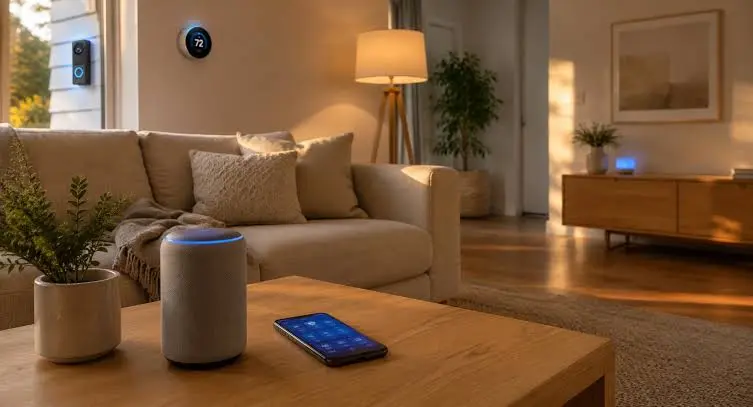
Technology has transformed the way people live, work, and manage their homes. One of the most exciting developments in modern living is the rise of home automation systems. These systems allow homeowners to control various devices and functions within their homes using smartphones, tablets, voice assistants, or automated schedules. From turning lights on and off to controlling security cameras and adjusting thermostats, home automation has become more accessible than ever.
For beginners, the idea of automating a home may seem complex or expensive. However, modern smart home technology offers user-friendly solutions that can fit almost any budget. Whether you want to improve security, save energy, increase convenience, or simply enjoy the latest technology, home automation systems can help you achieve your goals.
The growing popularity of smart devices has made it easier for homeowners to create connected environments where multiple devices work together seamlessly. With the right setup, daily tasks can be simplified, energy consumption can be reduced, and home security can be significantly enhanced.
This comprehensive guide explains everything beginners need to know about home automation systems, including how they work, their importance, setup procedures, benefits, risks, common mistakes, and expert recommendations. By the end of this article, you will have a clear understanding of how to build a smarter and more efficient home.
What is Home Automation Systems?
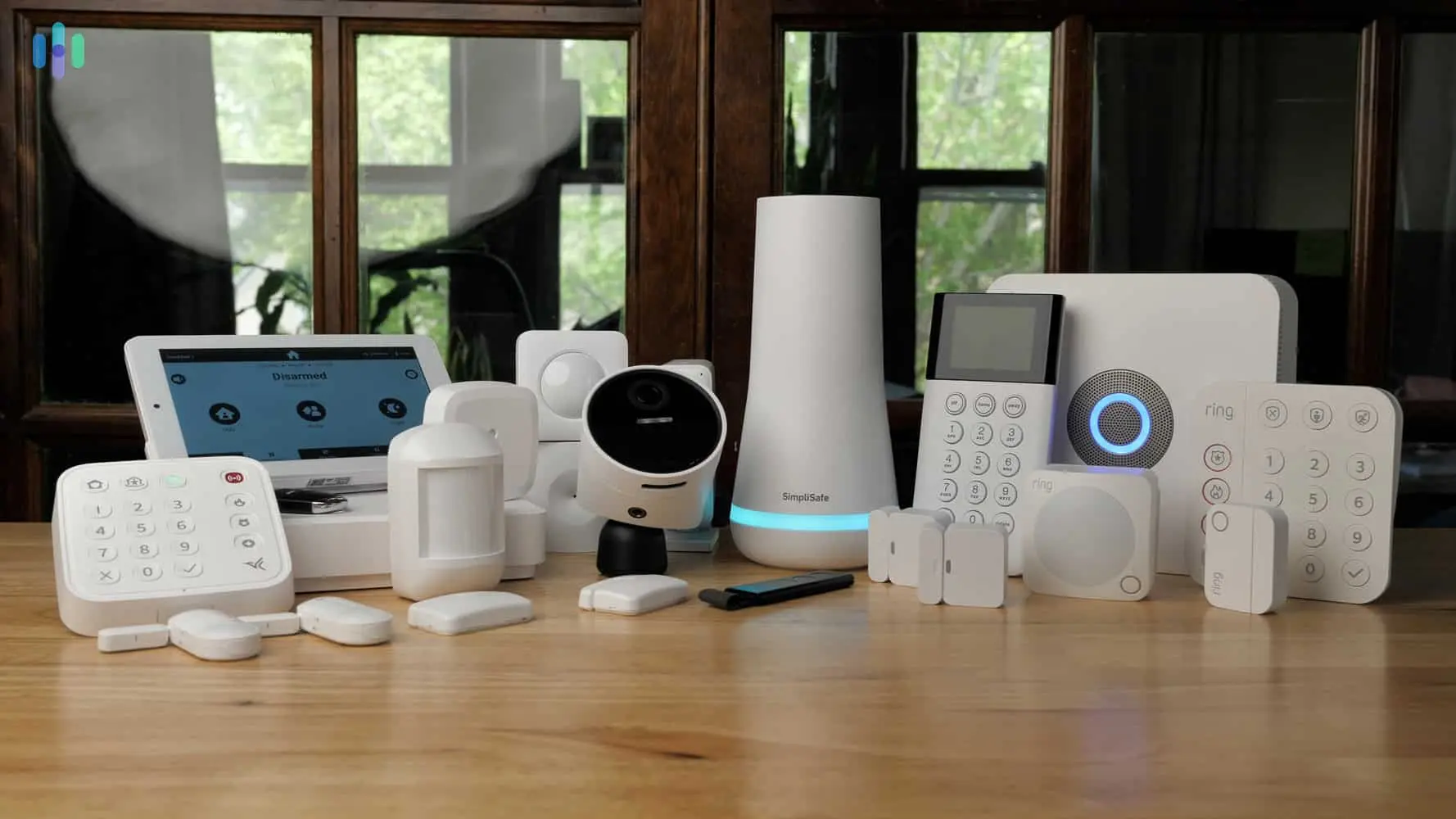
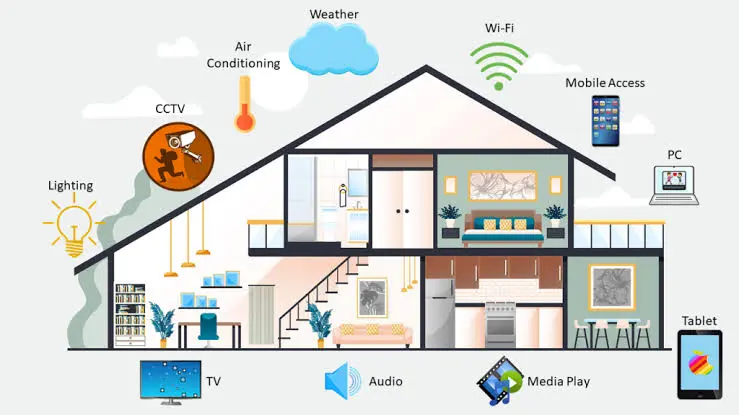
Home automation systems refer to technologies that connect and control household devices through a centralized platform. These systems enable users to monitor, manage, and automate various functions within a home using internet-connected devices. Common smart devices include lighting systems, thermostats, security cameras, smart locks, entertainment systems, and home appliances.
A home automation system works by connecting smart devices through a network, usually Wi-Fi, Bluetooth, Zigbee, or Z-Wave protocols. These devices communicate with each other and can be controlled through mobile applications, voice commands, or automated routines. For example, a homeowner can schedule lights to turn on automatically at sunset or lock doors remotely using a smartphone.
Modern home automation systems range from simple setups involving a few smart devices to fully integrated smart homes where dozens of devices work together. The primary goal is to increase convenience, efficiency, security, and comfort while reducing manual effort.
As technology continues to evolve, home automation systems are becoming smarter, more reliable, and more affordable, making them an attractive option for homeowners worldwide.
Why is Home Automation Systems Important?
Home automation systems are important because they improve the quality of daily life through intelligent control and automation. In today's fast-paced world, people value convenience, efficiency, and security, all of which can be enhanced through smart home technology.
One major reason for their importance is energy management. Smart thermostats, lighting systems, and appliances help reduce energy waste by operating only when needed. This can lower utility bills while contributing to environmental sustainability. Automated schedules and occupancy sensors ensure that devices are used efficiently throughout the day.
Another significant factor is security. Smart cameras, motion detectors, video doorbells, and smart locks allow homeowners to monitor their properties remotely and receive real-time alerts. This provides peace of mind whether residents are at home or away.
Home automation systems also improve accessibility for elderly individuals and people with disabilities. Voice-controlled devices and automated routines can simplify everyday tasks, making independent living easier. As technology becomes increasingly integrated into modern lifestyles, home automation systems continue to play a critical role in creating safer, smarter, and more efficient homes.
Detailed Step-by-Step Guide
Step 1: Define Your Home Automation Goals
Before purchasing any devices, identify what you want to achieve. Common goals include:
- Improved security
- Energy savings
- Increased convenience
- Entertainment control
- Remote home management
Understanding your priorities helps you choose the right devices and avoid unnecessary expenses.
Step 2: Choose a Smart Home Ecosystem
A smart home ecosystem acts as the central platform that connects and controls devices.
Popular ecosystems include:
- Google Home
- Amazon Alexa
- Apple HomeKit
- Samsung SmartThings
Choose one ecosystem and ensure that future devices are compatible with it.
Step 3: Establish a Reliable Internet Connection
Most smart home devices rely on stable internet connectivity. Upgrade your Wi-Fi router if necessary to support multiple connected devices.
Consider:
- Strong Wi-Fi coverage
- Dual-band routers
- Mesh Wi-Fi systems for large homes
- Network security features
A reliable network forms the foundation of a successful home automation system.
Step 4: Start with Smart Lighting
Smart lighting is often the easiest entry point for beginners.
Benefits include:
- Remote control
- Scheduled operation
- Voice commands
- Energy savings
- Mood lighting customization
Install smart bulbs or smart switches and connect them to your chosen ecosystem.
Step 5: Add Smart Security Devices
Security is one of the most valuable applications of home automation.
Popular security devices include:
- Smart cameras
- Smart locks
- Video doorbells
- Motion sensors
- Alarm systems
These devices provide real-time monitoring and alerts, helping protect your property.
Step 6: Install a Smart Thermostat
Smart thermostats automatically adjust temperatures based on schedules, weather conditions, and occupancy patterns.
Advantages include:
- Lower energy bills
- Improved comfort
- Remote temperature control
- Learning user preferences
This investment often delivers noticeable long-term savings.
Step 7: Connect Smart Appliances
Many modern appliances support smart functionality.
Examples include:
- Refrigerators
- Washing machines
- Dishwashers
- Ovens
- Air conditioners
Smart appliances provide notifications, remote control options, and enhanced efficiency.
Step 8: Create Automation Routines
Automation routines allow devices to work together automatically.
Examples:
- Lights turn on when motion is detected.
- Doors lock automatically at bedtime.
- Thermostat adjusts when everyone leaves home.
- Security cameras activate when the house is empty.
These routines maximize convenience and efficiency.
Step 9: Use Voice Assistants
Voice assistants make controlling smart devices easier.
Common commands include:
- Turn lights on or off
- Adjust thermostat settings
- Lock doors
- Play music
- Check weather updates
Voice control enhances accessibility and user experience.
Step 10: Monitor and Optimize Your System
Regularly review your system's performance.
Tasks include:
- Updating firmware
- Reviewing security settings
- Adding new devices
- Improving automation routines
- Monitoring energy consumption
Continuous optimization ensures long-term reliability and effectiveness.
Benefits of Home Automation Systems
- Enhanced convenience through remote control capabilities
- Improved home security and monitoring
- Reduced energy consumption and utility bills
- Better control over lighting and climate systems
- Increased property value
- Greater comfort and customization
- Time savings through automation
- Improved accessibility for elderly individuals
- Real-time notifications and alerts
- Integration of multiple household devices
- Better entertainment experiences
- Reduced manual operation of daily tasks
- Increased peace of mind while traveling
- Personalized home environments
- Future-ready technology infrastructure
Disadvantages / Risks
- Initial installation costs can be high
- Dependence on internet connectivity
- Potential cybersecurity threats
- Compatibility issues between devices
- Learning curve for beginners
- Possible technical malfunctions
- Ongoing software updates required
- Privacy concerns related to data collection
- Risk of device obsolescence
- Complex troubleshooting in advanced systems
- Power outages may affect functionality
- Vendor ecosystem limitations
- Additional maintenance requirements
- Network congestion from numerous connected devices
Common Mistakes to Avoid
One common mistake is purchasing devices without checking compatibility. Many beginners buy smart devices from different manufacturers only to discover that they do not work together effectively. Choosing a primary ecosystem before making purchases helps prevent integration problems and creates a smoother smart home experience.
Another mistake involves neglecting cybersecurity. Smart devices connected to the internet can become vulnerable if default passwords are used or firmware updates are ignored. Strong passwords, two-factor authentication, and regular updates are essential for protecting smart home systems from unauthorized access.
Many homeowners also overcomplicate their setup by installing too many devices at once. Starting with a few essential devices and expanding gradually allows users to learn the system and identify their actual needs. This approach reduces costs and simplifies troubleshooting.
Poor Wi-Fi coverage is another frequent issue. Weak signals can cause devices to disconnect or respond slowly. Investing in a quality router or mesh network can significantly improve overall system performance and reliability.
FAQs
1. What is the main purpose of a home automation system?
The main purpose is to automate and remotely control household devices, improving convenience, security, comfort, and energy efficiency through connected technology.
2. Are home automation systems expensive?
Costs vary depending on the number and type of devices. Beginners can start with affordable smart bulbs or smart plugs and gradually expand their system over time.
3. Do smart home devices require internet access?
Most smart devices require internet connectivity for remote control and cloud-based features. However, some devices can operate locally without internet access.
4. Are home automation systems secure?
They can be secure when users follow cybersecurity best practices such as using strong passwords, enabling two-factor authentication, and keeping software updated.
5. Can I install a home automation system myself?
Many beginner-friendly smart devices are designed for easy self-installation. More advanced systems involving wiring or security integration may require professional assistance.
6. Which devices should beginners buy first?
Smart bulbs, smart plugs, smart speakers, smart thermostats, and security cameras are excellent starting points because they offer immediate benefits and simple installation.
7. Can home automation help reduce electricity bills?
Yes. Smart thermostats, lighting systems, and automated schedules help reduce energy waste by ensuring devices operate only when needed.
8. Will smart devices work together automatically?
Not always. Compatibility depends on the ecosystem and communication protocols used. Checking compatibility before purchase is essential.
Expert Tips & Bonus Points
Start small and focus on solving specific problems rather than trying to automate every aspect of your home immediately. A gradual approach allows you to understand how different devices function and interact with one another.
Choose devices from reputable manufacturers that provide regular software updates and long-term support. Reliable brands generally offer better security, compatibility, and customer service. Investing in quality products often results in fewer technical issues over time.
Create automation routines that align with your daily habits. The most effective smart homes operate quietly in the background, reducing effort without requiring constant manual control. Automations based on schedules, occupancy, and location often deliver the greatest benefits.
Prioritize security from the beginning. Secure Wi-Fi networks, strong passwords, and routine software updates should be considered essential components of every smart home setup.
Consider future expansion when selecting devices. Choosing products that support common standards and broad compatibility will make it easier to add new devices as your needs evolve.
Track energy usage through smart monitoring tools. Understanding how your home consumes energy can help identify opportunities for additional savings and efficiency improvements.
Conclusion
Home automation systems have transformed modern living by making homes more intelligent, efficient, secure, and convenient. What was once considered a luxury is now becoming an accessible technology for homeowners of all experience levels. Through connected devices, automated routines, and centralized control, smart homes simplify everyday tasks while enhancing comfort and peace of mind.
For beginners, the key to success lies in starting with clear goals and building gradually. Smart lighting, security devices, thermostats, and voice assistants provide excellent entry points into the world of home automation. As users become more familiar with the technology, they can expand their systems to include additional devices and advanced automation routines.
While home automation offers numerous benefits, it is important to understand potential challenges such as cybersecurity risks, compatibility concerns, and internet dependency. Proper planning, device selection, and maintenance can minimize these issues and ensure a positive experience.
As technology continues to evolve, home automation systems will become even more powerful and user-friendly. By embracing smart home technology today, homeowners can enjoy greater control, increased energy efficiency, improved security, and a more comfortable living environment. Whether your goal is convenience, safety, or cost savings, home automation systems provide a practical path toward creating a smarter and more connected home.