Introduction
Technology is transforming the way people live, work, and interact with their surroundings. One of the most exciting innovations in modern living is the rise of IoT Smart Homes. These intelligent home systems allow homeowners to control and automate various devices through internet connectivity, creating a more convenient, secure, and energy-efficient lifestyle.
The Internet of Things (IoT) has become a major part of daily life. From smart lights and thermostats to security cameras and voice assistants, connected devices can communicate with each other and perform tasks automatically. This level of automation not only saves time but also improves comfort and reduces energy consumption.
For beginners, the concept of IoT Smart Homes may seem complex at first. However, understanding the basics can help anyone take advantage of this technology. Whether you want to enhance home security, lower utility bills, or enjoy greater convenience, smart home technology offers countless opportunities.
This comprehensive guide explains everything you need to know about IoT Smart Homes. You will learn what they are, why they matter, how to set them up, their advantages and disadvantages, common mistakes to avoid, and expert recommendations for getting the best results from your smart home system.
What is IoT Smart Homes?
IoT Smart Homes refer to residential environments where devices, appliances, and systems are connected through the Internet of Things. These connected devices communicate with each other and can be monitored, controlled, or automated remotely using smartphones, tablets, computers, or voice assistants.
The Internet of Things is a network of physical devices embedded with sensors, software, and internet connectivity. In a smart home environment, these devices gather information, exchange data, and perform actions based on user preferences or predefined rules.
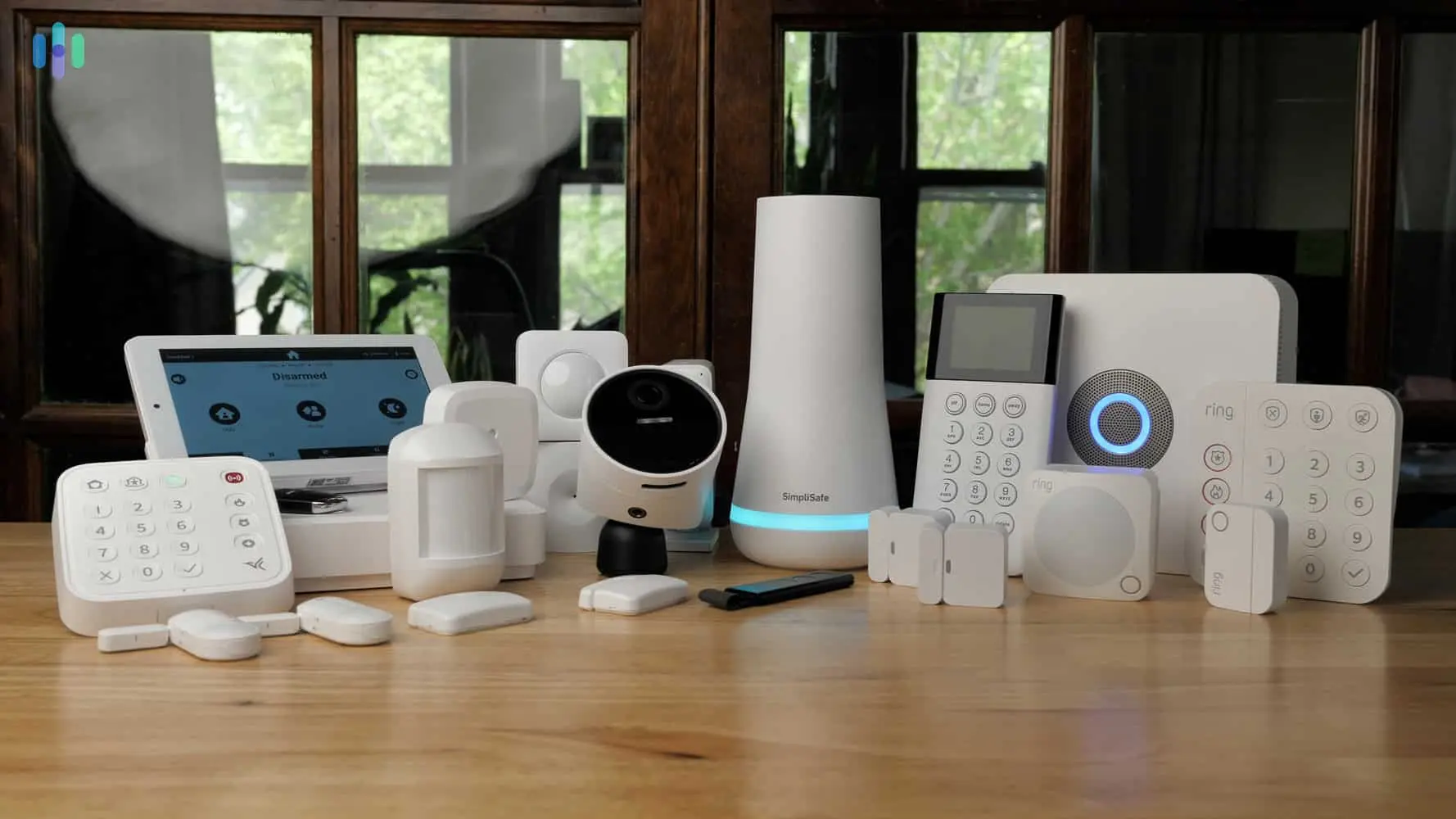
A typical smart home may include smart lighting systems, thermostats, security cameras, smart locks, motion sensors, smart speakers, connected appliances, and energy management systems. These devices work together to create a seamless living experience.
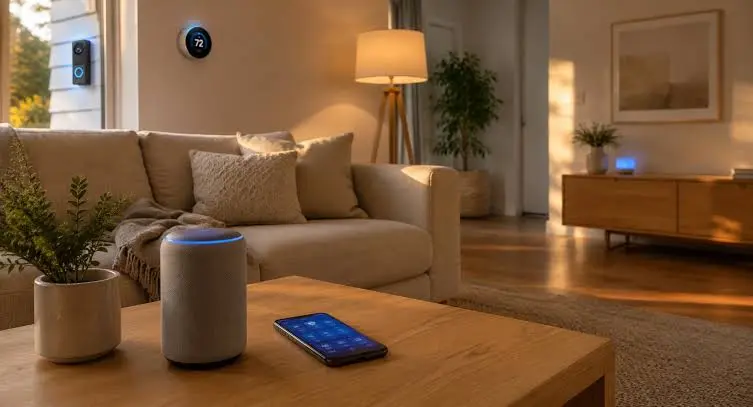
For example, a smart thermostat can automatically adjust room temperature based on occupancy, while smart lights can turn on when someone enters a room and switch off when the room becomes empty. Security cameras can send instant notifications when unusual activity is detected.
As technology continues to evolve, IoT Smart Homes are becoming more affordable and accessible, making them an attractive option for homeowners worldwide.
Why is IoT Smart Homes Important?
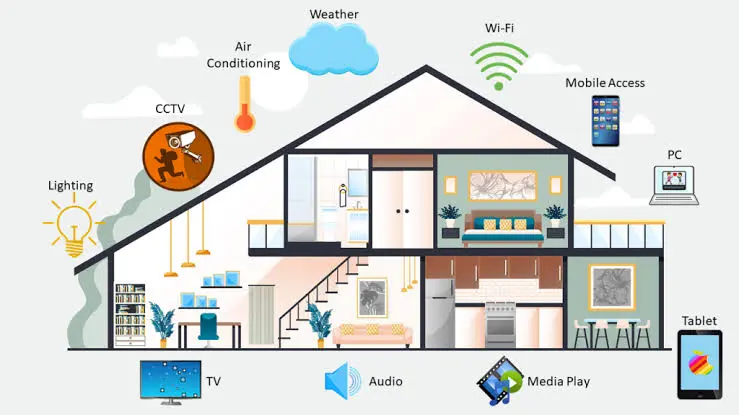
IoT Smart Homes are important because they improve convenience, efficiency, safety, and overall quality of life. Traditional homes require manual operation of appliances and systems, while smart homes automate many daily tasks.
One significant advantage is energy efficiency. Smart thermostats, lighting systems, and appliances can optimize energy usage, reducing electricity bills and environmental impact. Homeowners gain greater control over energy consumption without sacrificing comfort.
Security is another critical factor. Smart locks, surveillance cameras, motion detectors, and alarm systems provide real-time monitoring and instant alerts. Homeowners can check their property remotely and respond quickly to potential threats.
Accessibility also plays an important role. Elderly individuals and people with disabilities can benefit from voice-controlled devices and automated systems that make everyday activities easier and safer.
Furthermore, IoT Smart Homes contribute to future-ready living. As smart technology becomes increasingly integrated into society, connected homes offer enhanced functionality, higher property value, and improved lifestyle experiences.
The growing adoption of smart devices demonstrates the importance of IoT in modern residential environments and highlights its role in shaping the future of home automation.
Step-by-Step Guide to Building an IoT Smart Home
Step 1: Understand Your Goals
Before purchasing smart devices, identify your objectives. Determine whether you want better security, energy savings, convenience, entertainment, or complete home automation.
Creating a clear plan helps avoid unnecessary purchases and ensures all devices support your desired outcomes.
Step 2: Ensure Reliable Internet Connectivity
A strong and stable internet connection is essential for any smart home. Most IoT devices depend on Wi-Fi or other wireless communication protocols.
Upgrade your router if necessary and ensure adequate coverage throughout the house to prevent connectivity issues.
Step 3: Choose a Smart Home Ecosystem
Select a central platform that will control your devices. Popular ecosystems include voice assistants and smart home hubs that allow multiple devices to work together.
Choosing one ecosystem helps simplify management and improves compatibility between devices.
Step 4: Start with Smart Lighting
Smart lighting is often the easiest entry point into home automation. Smart bulbs and switches allow remote control, scheduling, dimming, and energy monitoring.
You can automate lights to turn on at sunset, switch off at bedtime, or respond to motion detection.
Step 5: Install Smart Security Devices
Security is one of the most valuable applications of IoT technology. Consider installing smart locks, cameras, doorbell cameras, motion sensors, and alarm systems.
These devices provide remote monitoring and instant notifications when suspicious activity occurs.
Step 6: Add Smart Climate Control
Smart thermostats help maintain comfortable indoor temperatures while reducing energy consumption.
Many systems learn user preferences and automatically adjust heating and cooling settings for maximum efficiency.
Step 7: Connect Smart Appliances
Modern appliances such as refrigerators, washing machines, ovens, and vacuum cleaners often include IoT functionality.
Connected appliances can send notifications, provide diagnostics, and allow remote operation through mobile applications.
Step 8: Create Automation Rules
Automation is the true power of IoT Smart Homes. Configure routines that trigger actions automatically based on specific conditions.
For example, lights can turn off when everyone leaves the house, doors can lock automatically at night, and thermostats can adjust based on occupancy.
Step 9: Strengthen Security Settings
Protect your smart home network by using strong passwords, enabling two-factor authentication, and regularly updating device firmware.
Cybersecurity should be a priority to prevent unauthorized access.
Step 10: Monitor and Optimize
Review device performance regularly and adjust automation settings based on your lifestyle.
Continuous optimization helps maximize convenience, security, and energy savings.
Benefits of IoT Smart Homes
- Enhanced convenience through automation of daily tasks.
- Improved home security with real-time monitoring.
- Reduced energy consumption and lower utility bills.
- Remote control of devices from anywhere.
- Increased comfort through personalized settings.
- Better accessibility for elderly individuals.
- Instant alerts and notifications for emergencies.
- Time savings through automated routines.
- Improved property value and market appeal.
- Efficient management of household appliances.
- Better control over lighting and climate systems.
- Integration of entertainment systems.
- Increased awareness of energy usage patterns.
- Simplified home maintenance through predictive alerts.
- Greater peace of mind while traveling.
Disadvantages and Risks of IoT Smart Homes
- Initial setup costs can be high.
- Dependence on internet connectivity.
- Potential cybersecurity vulnerabilities.
- Compatibility issues between devices.
- Learning curve for beginners.
- Privacy concerns related to data collection.
- Ongoing maintenance and updates.
- Risk of device malfunction.
- Power outages can disrupt functionality.
- Frequent software updates may be required.
- Some devices have limited lifespan.
- Vendor lock-in with specific ecosystems.
- Network congestion with many connected devices.
- Subscription fees for advanced features.
- Technical troubleshooting may be necessary.
Common Mistakes to Avoid
Many beginners purchase smart devices without planning their ecosystem. This often results in compatibility problems and fragmented control systems. Always verify that devices support your preferred platform before making purchases.
Another common mistake is neglecting cybersecurity. Weak passwords and outdated firmware can expose smart devices to security threats. Strong authentication and regular updates are essential for protection.
Some homeowners install too many devices at once. Starting small allows users to learn the technology gradually and identify which devices provide the most value.
Ignoring Wi-Fi coverage is another frequent issue. Poor connectivity can lead to unreliable performance and user frustration. A strong network infrastructure is critical for a successful smart home.
Many users also overlook automation opportunities. Simply controlling devices remotely does not fully utilize the potential of IoT. Creating automated routines can significantly improve efficiency and convenience.
Finally, failing to monitor energy usage and device performance can limit the benefits of smart home technology. Regular evaluation ensures optimal operation and long-term value.
FAQs
1. What does IoT mean in smart homes?
IoT stands for Internet of Things. It refers to connected devices that communicate through the internet and can be monitored, controlled, or automated remotely.
2. Are IoT Smart Homes expensive?
Costs vary depending on the number and type of devices. Beginners can start with affordable smart bulbs and gradually expand their system over time.
3. Do smart homes work without the internet?
Some functions may continue to operate locally, but most advanced features such as remote access, cloud services, and real-time notifications require internet connectivity.
4. Are IoT Smart Homes secure?
They can be secure when proper cybersecurity measures are implemented. Strong passwords, software updates, secure networks, and multi-factor authentication improve protection.
5. Which smart devices should beginners buy first?
Smart lighting, smart plugs, smart speakers, and smart security cameras are often the best starting points because they are easy to install and provide immediate benefits.
6. Can smart homes reduce electricity bills?
Yes. Smart thermostats, lighting systems, and energy monitoring devices help optimize energy consumption and reduce unnecessary usage.
7. What is a smart home hub?
A smart home hub acts as a central controller that connects and manages multiple smart devices from a single interface.
8. Can elderly people benefit from smart homes?
Absolutely. Voice controls, automated lighting, health monitoring devices, and emergency alerts can improve safety, independence, and quality of life.
Expert Tips and Bonus Points
Begin with a small number of devices and expand gradually as your understanding grows. This approach reduces complexity and prevents unnecessary spending.
Invest in high-quality devices from reputable manufacturers. Reliable products typically offer better security, longer lifespan, and stronger support.
Use automation strategically. Focus on routines that genuinely improve daily life, such as automated lighting schedules and energy-saving temperature controls.
Consider creating a dedicated network for IoT devices. Separating smart devices from personal computers and sensitive information can enhance security.
Regularly review privacy settings and permissions. Understanding what data devices collect helps maintain greater control over personal information.
Backup important configurations whenever possible. This can save time and effort if devices need to be reset or replaced.
Keep firmware and software updated to benefit from new features, performance improvements, and security patches.
Monitor energy consumption reports provided by smart devices. Small adjustments can lead to significant savings over time.
Choose scalable solutions that allow future expansion. A flexible system makes it easier to add new technologies as your needs evolve.
Always prioritize compatibility before purchasing new devices. A well-integrated ecosystem creates a smoother and more enjoyable smart home experience.
Conclusion
IoT Smart Homes represent one of the most significant advancements in modern residential technology. By connecting devices through the Internet of Things, homeowners gain greater control, convenience, efficiency, and security. From smart lighting and climate control to advanced surveillance systems and automated appliances, smart home technology continues to transform everyday living.
For beginners, building a smart home does not require a large investment or advanced technical knowledge. Starting with a few carefully selected devices and gradually expanding the system is often the most effective approach. Proper planning, strong internet connectivity, and attention to cybersecurity are key factors that contribute to long-term success.
While IoT Smart Homes offer numerous advantages, including energy savings, enhanced comfort, and remote accessibility, users should also remain aware of potential risks such as privacy concerns and device compatibility challenges. Understanding both the benefits and limitations helps homeowners make informed decisions.
As technology advances, smart homes will become increasingly intelligent, efficient, and integrated into daily life. Whether your goal is convenience, safety, sustainability, or innovation, adopting IoT Smart Home technology can significantly improve the way you live. With the right strategy and devices, anyone can create a connected home environment that is ready for the future.