Introduction
Smart lighting systems have transformed the way people illuminate their homes, offices, and commercial spaces. Traditional lighting solutions require manual operation and offer limited customization. In contrast, smart lighting systems provide advanced control, automation, energy efficiency, and convenience through modern technologies such as Wi-Fi, Bluetooth, sensors, and mobile applications.
As technology continues to evolve, smart lighting has become more affordable and accessible for everyday users. Whether you want to reduce electricity bills, improve home security, create a comfortable atmosphere, or simply enjoy the convenience of controlling lights from your smartphone, smart lighting systems offer numerous advantages.
For beginners, the concept may seem complicated at first. Terms like smart bulbs, automation, voice assistants, motion sensors, and lighting scenes can be overwhelming. However, understanding the basics is easier than many people think. Modern smart lighting solutions are designed with user-friendly features that allow anyone to set up and manage their lighting with minimal technical knowledge.
This comprehensive guide explains everything beginners need to know about smart lighting systems. You will learn how they work, why they are important, how to install them step by step, their advantages and disadvantages, common mistakes to avoid, and expert recommendations for getting the best results. By the end of this guide, you will have a solid understanding of smart lighting technology and how it can improve your daily life.
What is Smart Lighting Systems?
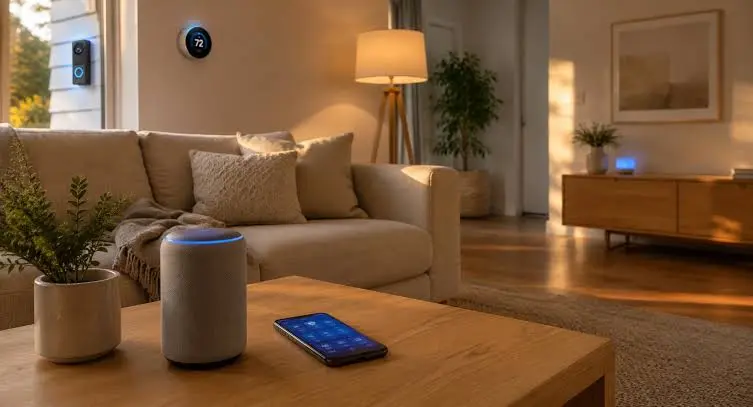
Smart lighting systems are advanced lighting solutions that allow users to control, automate, and customize lighting through digital technologies. Unlike traditional lighting, which requires manual switching, smart lighting can be controlled remotely using smartphones, tablets, voice assistants, or automated schedules.
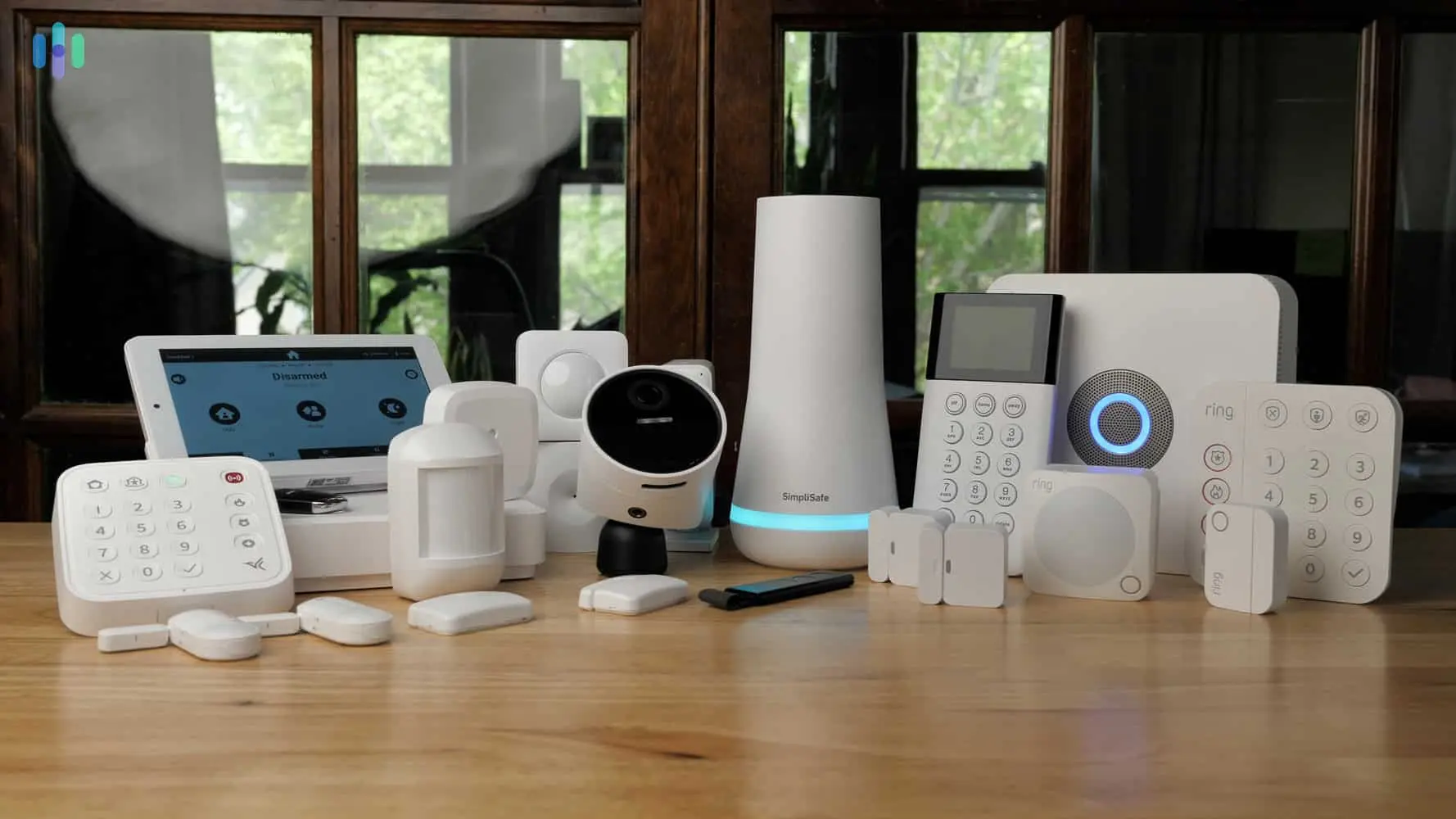
A smart lighting system typically consists of smart bulbs, smart switches, sensors, hubs, and software applications that work together to provide intelligent lighting control. These systems can turn lights on or off automatically, adjust brightness levels, change colors, and respond to environmental conditions or user preferences.
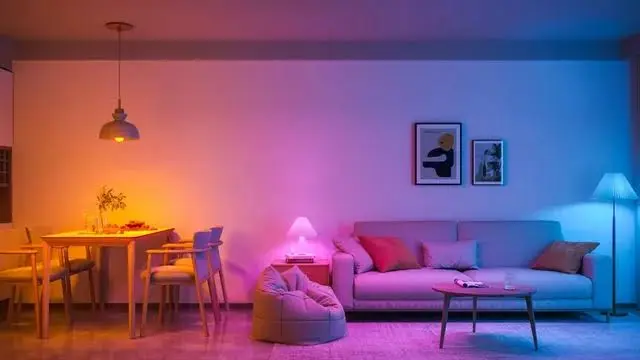
The primary goal of smart lighting is to improve convenience, comfort, energy efficiency, and security. Users can create customized lighting scenes for different activities such as reading, working, watching movies, or sleeping. Many systems also integrate with smart home ecosystems, allowing seamless automation with other connected devices.
Modern smart lighting solutions use technologies such as Wi-Fi, Bluetooth, Zigbee, Z-Wave, and Matter to communicate between devices. This connectivity enables users to manage lighting from anywhere in the world, making smart lighting one of the most popular components of modern smart homes.
Why is Smart Lighting Systems Important?
Smart lighting systems play a crucial role in modern homes and businesses because they provide greater control, flexibility, and efficiency than traditional lighting methods. As energy costs continue to rise and sustainability becomes increasingly important, intelligent lighting solutions help reduce energy consumption while maintaining optimal illumination.
One major reason smart lighting is important is convenience. Users no longer need to manually operate every light switch. Lights can automatically adjust based on occupancy, time of day, or predefined schedules. This creates a more comfortable and efficient environment for daily activities.
Another important factor is energy management. Smart lighting systems help reduce wasted electricity by ensuring lights operate only when needed. Motion sensors, daylight sensors, and automated schedules significantly improve energy efficiency and lower utility bills.
Smart lighting also enhances safety and security. Automated lighting schedules can simulate occupancy when homeowners are away, discouraging potential intruders. Motion-activated lighting improves visibility around entrances, pathways, and outdoor areas, making properties safer and more secure.
Detailed Step-by-Step Guide
Step 1: Understand Your Lighting Needs
Before purchasing smart lighting products, determine your specific goals. Consider whether you want energy savings, automation, security improvements, decorative lighting, or full smart home integration.
Evaluate the rooms where smart lighting will be installed. Different areas may require different lighting solutions. For example, bedrooms may benefit from dimmable lights, while hallways may require motion-activated lighting.
Step 2: Choose the Right Smart Lighting Technology
Smart lighting systems use various communication technologies. Understanding these options helps you select the most suitable solution.
Wi-Fi Lighting
Directly connects to your home network without requiring a separate hub.
Bluetooth Lighting
Offers simple setup and local control but limited remote access.
Zigbee Lighting
Provides reliable communication and energy efficiency through a dedicated hub.
Z-Wave Lighting
Popular for larger smart home installations due to strong device compatibility.
Matter-Compatible Lighting
Designed to improve interoperability between different smart home ecosystems.
Step 3: Select Smart Lighting Components
A complete smart lighting system may include several components.
Smart Bulbs
Replace traditional bulbs and offer features such as dimming, color changes, and remote control.
Smart Switches
Allow intelligent control of existing light fixtures.
Motion Sensors
Automatically activate lighting when movement is detected.
Light Sensors
Adjust lighting based on ambient light levels.
Smart Hubs
Serve as central controllers for connected devices.
Step 4: Install Smart Devices
Installation varies depending on the product type.
For smart bulbs:
- Turn off power.
- Remove existing bulbs.
- Install smart bulbs.
- Restore power.
- Follow manufacturer setup instructions.
For smart switches:
- Turn off electricity at the breaker.
- Remove the existing switch.
- Connect wiring according to instructions.
- Install the smart switch.
- Restore power and test functionality.
Always follow safety guidelines and consult an electrician if necessary.
Step 5: Connect Devices to the App
Download the manufacturer's mobile application and create an account if required.
Open the app and follow the pairing process. Most devices guide users through network connection and device discovery automatically. Assign meaningful names to devices for easier management.
Step 6: Configure Basic Settings
Adjust brightness levels, color temperatures, schedules, and room assignments.
Many users create separate groups for living rooms, kitchens, bedrooms, and outdoor areas. Organizing devices improves overall control and simplifies automation.
Step 7: Create Automation Rules
Automation is one of the most valuable features of smart lighting systems.
Examples include:
- Turning lights on at sunset
- Switching lights off at bedtime
- Activating hallway lights when motion is detected
- Dimming lights during movie time
- Brightening lights in the morning
Proper automation enhances convenience while maximizing energy savings.
Step 8: Integrate Voice Control
Many smart lighting systems support voice assistants.
Users can control lighting with simple voice commands such as:
- Turn on the living room lights
- Dim bedroom lights to 50%
- Change kitchen lights to warm white
- Turn off all lights
Voice control makes daily interactions faster and more convenient.
Step 9: Create Custom Lighting Scenes
Lighting scenes combine multiple settings into a single command.
Popular examples include:
- Reading Mode
- Movie Mode
- Relaxation Mode
- Work Mode
- Party Mode
- Sleep Mode
Custom scenes allow instant adjustments based on activities and preferences.
Step 10: Monitor and Optimize Performance
Regularly review system performance and energy usage.
Update firmware, adjust schedules, and refine automation settings as your needs evolve. Continuous optimization ensures maximum efficiency and reliability.
Benefits of Smart Lighting Systems
- Improved energy efficiency
- Lower electricity bills
- Remote lighting control
- Increased convenience
- Enhanced home security
- Better user comfort
- Customizable lighting scenes
- Voice assistant integration
- Automated scheduling
- Motion-activated functionality
- Reduced energy waste
- Modern home appeal
- Flexible brightness adjustment
- Color-changing capabilities
- Increased property value
- Better lighting management
- Improved productivity
- Enhanced sleep environment
- Easy scalability
- Integration with smart home ecosystems
Disadvantages / Risks
- Higher initial investment costs
- Dependence on internet connectivity
- Potential compatibility issues
- Learning curve for beginners
- Security concerns if devices are poorly configured
- Occasional software bugs
- Device firmware update requirements
- Limited functionality during network outages
- Replacement costs for premium smart bulbs
- Potential privacy concerns with connected devices
- Complexity in large installations
- Vendor ecosystem limitations
Common Mistakes to Avoid
Many beginners purchase smart lighting products without first evaluating their actual requirements. This often leads to unnecessary spending or compatibility issues. Before buying devices, determine your goals and ensure all components work together.
Another common mistake is ignoring network quality. Weak Wi-Fi signals can cause delayed responses and unreliable performance. Proper router placement and strong network coverage significantly improve system stability.
Users also frequently overlook security settings. Default passwords should be changed immediately, and firmware updates should be installed regularly to maintain system security.
Overcomplicating automation is another mistake. Starting with simple schedules and gradually adding advanced automations creates a more manageable and reliable experience.
Failing to group devices properly can make daily operation confusing. Organizing lights by room and purpose improves usability and simplifies management.
FAQs
1. What is the main purpose of a smart lighting system?
The primary purpose is to provide intelligent control, automation, convenience, and energy efficiency. Users can manage lighting remotely, create schedules, and customize illumination based on their preferences.
2. Do smart lights save electricity?
Yes. Smart lighting systems reduce energy waste through automation, scheduling, dimming, occupancy detection, and efficient LED technology. This often results in lower electricity bills.
3. Can smart lighting work without the internet?
Many smart lighting systems continue to function locally through Bluetooth, hubs, or local networks. However, remote access and some cloud-based features may require internet connectivity.
4. Are smart lighting systems difficult to install?
Most smart bulbs are extremely easy to install. Smart switches and advanced systems may require additional setup or professional assistance depending on the complexity of the installation.
5. Can I control smart lights when I am away from home?
Yes. Most modern smart lighting systems allow remote control through mobile applications, enabling users to manage lighting from virtually anywhere with internet access.
6. Are smart lighting systems secure?
They can be secure when configured properly. Using strong passwords, enabling two-factor authentication, updating firmware regularly, and purchasing products from reputable manufacturers improve security significantly.
7. Can smart lights change color?
Many smart bulbs support millions of colors and various white light temperatures. Users can customize lighting for entertainment, productivity, relaxation, and decorative purposes.
8. How long do smart bulbs last?
Most smart LED bulbs have lifespans ranging from 15,000 to 50,000 hours, depending on the manufacturer, usage patterns, and operating conditions.
Expert Tips & Bonus Points
Start with one room before expanding throughout the entire property. This allows you to learn the technology and identify your preferred features before making a larger investment.
Choose products from established manufacturers that provide regular software updates and strong customer support. Long-term reliability is often more important than initial cost savings.
Use motion sensors strategically in hallways, bathrooms, garages, and outdoor spaces to maximize energy efficiency while maintaining convenience.
Combine smart lighting with natural daylight whenever possible. Automated daylight sensors can optimize brightness levels and further reduce electricity consumption.
Create separate lighting scenes for productivity, relaxation, entertainment, and sleep. Customized environments improve comfort and support daily routines.
Keep firmware updated to access new features, improve performance, and maintain device security. Regular updates often resolve bugs and enhance compatibility.
Consider future expansion when selecting products. Choosing scalable systems prevents costly upgrades and compatibility challenges later.
Conclusion
Smart lighting systems represent one of the most practical and impactful advancements in modern home and building technology. They combine convenience, automation, energy efficiency, security, and customization into a single solution that enhances everyday life. From simple smart bulbs to fully integrated lighting ecosystems, these systems provide users with unprecedented control over how their spaces are illuminated.
For beginners, the journey into smart lighting does not need to be complicated. Starting with a few smart bulbs and basic automation features can deliver immediate benefits while building familiarity with the technology. As confidence grows, additional devices such as smart switches, motion sensors, and advanced automation routines can further improve functionality and efficiency.
The long-term advantages of smart lighting extend beyond convenience. Reduced energy consumption, lower utility costs, improved home security, enhanced comfort, and increased property value make smart lighting a worthwhile investment for many homeowners and businesses. While there are some challenges, such as initial costs and compatibility considerations, proper planning and product selection can minimize these concerns.
As smart home technology continues to evolve, smart lighting systems will become even more powerful, accessible, and integrated into daily life. By understanding the fundamentals and following best practices, users can create intelligent lighting environments that are efficient, secure, and perfectly tailored to their needs.