Introduction
Electricity is an essential part of modern life. It powers our homes, workplaces, schools, hospitals, and countless devices that make daily tasks easier. While electricity provides comfort and convenience, it can also be extremely dangerous when handled improperly. Electrical accidents can lead to severe injuries, fires, equipment damage, and even fatalities. Understanding and following electrical safety tips is one of the most effective ways to protect yourself, your family, and your property.
Many electrical accidents occur because people overlook basic safety practices. Using damaged cords, overloading outlets, ignoring warning signs, or attempting repairs without proper knowledge can quickly turn into hazardous situations. Fortunately, most electrical incidents are preventable through awareness, education, and responsible behavior.
Whether you are a homeowner, renter, student, office worker, or DIY enthusiast, learning electrical safety is important. Even simple habits such as unplugging appliances correctly or keeping water away from electrical devices can significantly reduce risks.
This comprehensive guide covers everything beginners need to know about electrical safety tips. You will learn what electrical safety means, why it matters, practical safety procedures, common mistakes to avoid, benefits, risks, frequently asked questions, and expert recommendations. By following these guidelines, you can create a safer environment and reduce the likelihood of electrical accidents.
What is Electrical Safety Tips?
Electrical safety refers to the practices, precautions, and procedures used to prevent injuries, accidents, fires, and property damage caused by electricity. These safety measures help people interact with electrical systems, appliances, tools, and equipment safely and responsibly.
Electrical safety tips include actions such as inspecting cords regularly, avoiding overloaded outlets, using proper protective equipment, maintaining electrical installations, and understanding how to respond during electrical emergencies. These measures are designed to minimize exposure to electrical hazards and ensure safe operation of electrical devices.
Electrical hazards can exist in homes, offices, factories, construction sites, and public spaces. They may involve exposed wires, faulty equipment, damaged outlets, improper grounding, or unsafe use of electrical appliances. Following established safety practices significantly reduces the chances of electrical shocks, burns, fires, and equipment failures.
Understanding electrical safety is not limited to electricians. Everyone who uses electricity should know basic safety principles because electricity is present in nearly every aspect of daily life. A strong foundation in electrical safety can help prevent accidents and promote a safer environment for everyone.
Why is Electrical Safety Tips Important?
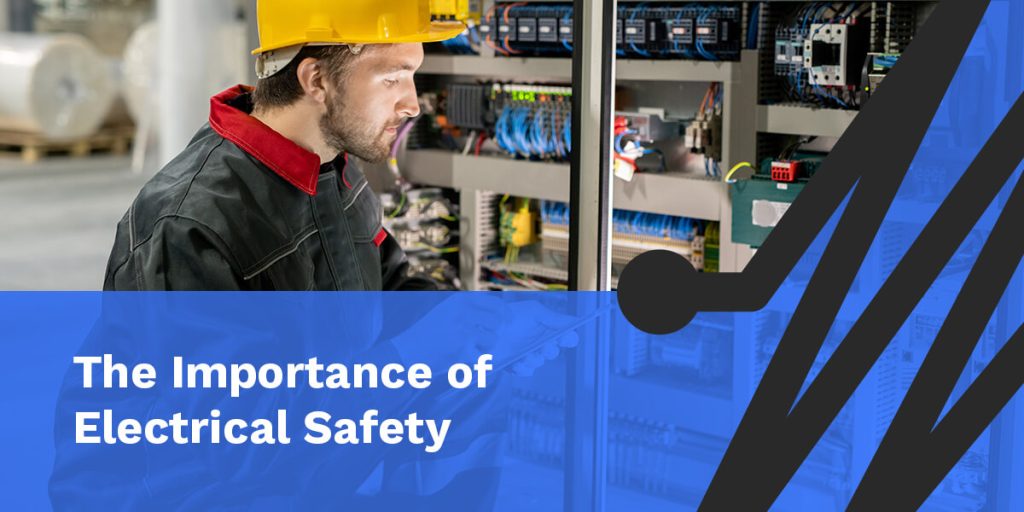
Electrical safety is important because electricity can cause serious injuries and damage within seconds. Electrical shocks can result in burns, muscle injuries, nerve damage, heart complications, and fatalities. Electrical faults can also trigger fires that destroy homes, businesses, and valuable property.
Following electrical safety practices helps reduce the risk of accidents caused by faulty wiring, overloaded circuits, defective appliances, and human error. Proper safety measures protect individuals from harm while ensuring electrical systems operate efficiently and reliably. This protection is especially important in homes with children, elderly individuals, or pets.
Electrical safety also contributes to financial savings. Preventing electrical fires, equipment failures, and property damage reduces repair and replacement costs. Safe electrical systems typically require fewer emergency repairs and experience fewer disruptions.
In workplaces, electrical safety improves productivity and compliance with safety regulations. Employees who understand electrical hazards are less likely to experience injuries, resulting in a safer and more efficient work environment. Overall, electrical safety protects lives, property, equipment, and investments while promoting confidence in everyday electrical usage.
Detailed Step-by-Step Guide
Step 1: Understand Basic Electrical Hazards
Before using electrical devices, learn about common electrical dangers. These include exposed wires, overloaded outlets, damaged cords, wet conditions, and malfunctioning appliances. Recognizing hazards is the first step toward preventing accidents.
Educate yourself and family members about warning signs such as sparks, burning smells, buzzing sounds, and flickering lights. Early identification of problems can prevent serious incidents.
Step 2: Inspect Electrical Cords Regularly
Examine power cords and extension cords frequently for cuts, cracks, fraying, or exposed wiring. Damaged cords can cause electrical shocks and fires if left unattended.
Replace damaged cords immediately rather than attempting temporary repairs. Avoid running cords under carpets, furniture, or rugs because this can cause overheating and hidden damage.
Step 3: Avoid Overloading Electrical Outlets
Connecting too many devices to a single outlet increases the risk of overheating and electrical fires. Each outlet and circuit has a maximum capacity that should not be exceeded.
Use power strips with built-in surge protection when necessary, but avoid plugging multiple power strips together. Distribute electrical loads evenly across available outlets.
Step 4: Keep Electricity Away from Water
Water is an excellent conductor of electricity and significantly increases shock risks. Never operate electrical appliances with wet hands or near water sources.
Keep electrical devices away from sinks, bathtubs, swimming pools, and damp environments. Install Ground Fault Circuit Interrupters (GFCIs) in kitchens, bathrooms, and outdoor areas for additional protection.
Step 5: Use Appliances Correctly
Always follow manufacturer instructions when operating electrical appliances. Misuse can damage equipment and create hazardous conditions.
Turn off appliances when not in use and unplug them by holding the plug rather than pulling the cord. Proper handling extends equipment lifespan and improves safety.
Step 6: Childproof Electrical Outlets
Children are naturally curious and may insert objects into electrical outlets. Install safety covers or tamper-resistant outlets to prevent accidental shocks.
Teach children basic electrical safety rules and supervise them around electrical devices. Early education helps develop lifelong safety habits.
Step 7: Check for Warning Signs
Pay attention to unusual electrical symptoms such as flickering lights, warm outlets, sparks, burning odors, or frequently tripped breakers.
These signs often indicate underlying electrical issues that require professional inspection. Ignoring them can increase the risk of fires and equipment damage.
Step 8: Use Proper Extension Cord Practices
Extension cords should only be used temporarily. Long-term reliance on extension cords can create safety hazards.
Choose cords rated for the intended purpose and environment. Outdoor applications require weather-resistant extension cords specifically designed for external use.
Step 9: Turn Off Power Before Repairs
Never attempt electrical repairs while power is active. Switch off the circuit breaker and verify power is disconnected before working on any electrical component.
If you lack proper training or experience, hire a qualified electrician. Electrical repairs performed incorrectly can create dangerous situations.
Step 10: Maintain Electrical Systems
Schedule regular inspections of wiring, outlets, switches, and electrical panels. Proper maintenance identifies potential issues before they become serious problems.
Older buildings may require electrical upgrades to meet modern safety standards and handle increased electrical demands safely.
Step 11: Use Personal Protective Equipment
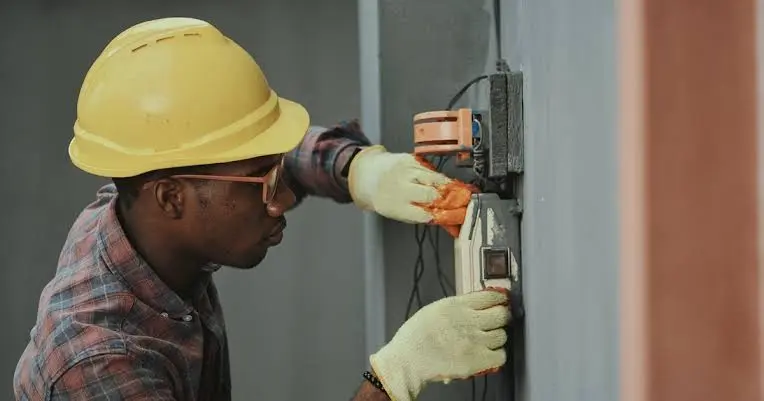
When working around electrical systems, wear appropriate protective equipment such as insulated gloves, safety glasses, and non-conductive footwear.
Protective equipment reduces injury risks and provides an additional layer of safety during electrical tasks.
Step 12: Know Emergency Procedures
Learn how to respond during electrical emergencies. If someone receives an electrical shock, do not touch them until the power source is disconnected.
Keep emergency contact numbers accessible and understand basic first aid procedures. Quick action can save lives during emergencies.
Benefits of Electrical Safety Tips
- Reduces the risk of electrical shocks and injuries.
- Prevents electrical fires and property damage.
- Protects family members, employees, and visitors.
- Increases the lifespan of electrical appliances.
- Reduces maintenance and repair costs.
- Improves workplace safety and productivity.
- Helps comply with safety regulations and standards.
- Minimizes downtime caused by electrical failures.
- Enhances confidence when using electrical equipment.
- Promotes a safer living and working environment.
- Protects valuable electronic devices from damage.
- Supports efficient energy usage and system reliability.
Disadvantages / Risks
- Safety equipment and upgrades may involve initial costs.
- Regular inspections require time and planning.
- Some safety improvements may need professional assistance.
- Ignoring safety recommendations can create hidden hazards.
- Improper DIY repairs may increase risks rather than reduce them.
- Outdated electrical systems may require expensive upgrades.
- Lack of training can result in incorrect safety practices.
- Temporary fixes often create long-term electrical dangers.
Common Mistakes to Avoid
Many electrical accidents occur because people underestimate the dangers of electricity. One common mistake is using damaged cords or plugs instead of replacing them immediately. Frayed wires expose users to electrical shock and increase fire risks.
Another frequent error is overloading outlets with multiple high-power devices. This practice can overheat wiring and lead to electrical fires. People also often ignore warning signs such as sparks, buzzing sounds, burning smells, and frequently tripped breakers, which can indicate serious electrical problems.
Using electrical devices near water is another dangerous mistake. Bathrooms, kitchens, and outdoor areas require extra caution because moisture significantly increases shock risks. Additionally, many individuals attempt electrical repairs without proper training, which can result in injuries and code violations.
Failing to childproof outlets, relying excessively on extension cords, and neglecting routine inspections are also common safety mistakes. Avoiding these errors can greatly improve electrical safety at home and in the workplace.
FAQs
1. What is the most important electrical safety rule?
The most important rule is to treat electricity with respect and never assume a circuit is safe. Always turn off power before performing repairs or maintenance and verify that electricity is disconnected before touching electrical components.
2. Why should electrical outlets not be overloaded?
Overloading outlets can cause overheating, damaged wiring, and electrical fires. Every outlet and circuit is designed to handle a specific electrical load, and exceeding that limit creates serious safety hazards.
3. How often should electrical systems be inspected?
Homes should undergo periodic inspections, especially if they are older properties. Businesses and industrial facilities may require more frequent inspections depending on regulations and usage conditions.
4. What should I do if I receive an electrical shock?
If you experience an electrical shock, seek medical attention immediately, especially if symptoms persist. Even minor shocks can cause internal injuries that may not be immediately visible.
5. Are extension cords safe for permanent use?
No. Extension cords are intended for temporary use. Permanent reliance on extension cords may increase the risk of overheating, tripping hazards, and electrical failures.
6. Why are GFCI outlets important?
Ground Fault Circuit Interrupter outlets detect abnormal electrical currents and quickly shut off power to prevent serious electrical shocks. They are particularly useful in wet or damp environments.
7. Can electrical fires start without visible sparks?
Yes. Electrical fires can begin inside walls, outlets, or appliances due to overheating, faulty wiring, or damaged insulation. Visible sparks are not always present before a fire starts.
8. When should I call a professional electrician?
Contact a professional electrician if you notice flickering lights, burning odors, frequent breaker trips, exposed wiring, sparking outlets, or any electrical issue beyond your expertise.
Expert Tips & Bonus Points
Conduct monthly visual inspections of cords, outlets, and appliances to identify potential problems early. Early detection prevents small issues from becoming major hazards and reduces repair costs over time.
Label circuit breakers clearly so family members and employees can quickly identify and disconnect power during emergencies. Proper labeling improves response times and safety.
Install surge protectors to safeguard valuable electronics from voltage spikes. This simple investment can protect computers, televisions, and other sensitive devices from costly damage.
Replace outdated wiring systems when necessary. Modern electrical systems offer improved safety features and better support for today's electrical demands.
Create an emergency response plan that includes procedures for electrical fires, shocks, and power failures. Ensure everyone in the household or workplace understands the plan and knows how to respond effectively.
Stay informed about electrical safety standards and best practices. Continuous education helps maintain awareness and encourages safer behavior around electrical equipment.
Conclusion
Electrical safety is a critical responsibility that affects everyone who uses electricity. From powering household appliances to operating workplace equipment, electricity plays a vital role in daily life. However, without proper precautions, it can also present significant dangers. Understanding and applying electrical safety tips helps reduce the risks of shocks, burns, fires, equipment damage, and other serious incidents.
Simple actions such as inspecting cords, avoiding overloaded outlets, keeping electricity away from water, and responding quickly to warning signs can make a substantial difference. These preventive measures not only protect people but also preserve property and valuable electronic equipment. Regular maintenance, proper usage of appliances, and adherence to safety guidelines contribute to a safer environment for everyone.
Electrical safety should never be viewed as optional. Whether at home, school, or work, maintaining awareness and following recommended practices can prevent costly accidents and potentially save lives. Investing time in learning electrical safety principles today can provide long-term benefits for years to come.
By adopting the strategies outlined in this guide, beginners can confidently use electrical systems while minimizing risks. A commitment to electrical safety creates a secure, efficient, and reliable environment where electricity can be enjoyed safely and responsibly.