Introduction
Electrical systems power homes, offices, factories, hospitals, schools, and almost every modern facility. While electricity provides convenience and efficiency, it can also pose serious dangers when not handled properly. Electrical shocks, fires, equipment damage, and workplace accidents often occur due to poor safety practices, outdated installations, or non-compliance with established standards.
Electrical safety standards are a set of rules, guidelines, and technical requirements designed to ensure that electrical systems operate safely and efficiently. These standards help protect people, property, and equipment from electrical hazards. Governments, regulatory bodies, and industry organizations create these standards to maintain consistency and safety across different environments.
For beginners, understanding electrical safety standards may seem complicated because of technical terms and regulations. However, learning the fundamentals can significantly reduce risks and improve awareness. Whether you are a homeowner, student, electrician, contractor, facility manager, or business owner, knowing the basics of electrical safety is essential.
This comprehensive guide explains what electrical safety standards are, why they matter, how to follow them, their benefits and risks, common mistakes, expert recommendations, and answers to frequently asked questions. By the end of this article, you will have a strong understanding of electrical safety standards and how they contribute to a safer environment.
What is Electrical Safety Standards?
Electrical safety standards are documented rules and technical specifications created to ensure the safe design, installation, operation, inspection, and maintenance of electrical systems. These standards establish requirements that minimize hazards such as electric shock, short circuits, arc flashes, fires, and equipment failures.
The purpose of electrical safety standards is to create a consistent framework for electrical work. They guide manufacturers, engineers, electricians, contractors, and organizations in implementing safe electrical practices. Compliance with these standards helps ensure that electrical installations meet acceptable safety levels and perform reliably.
Different countries and industries may follow specific standards developed by regulatory authorities and professional organizations. These standards often cover electrical wiring, grounding systems, circuit protection, equipment testing, safety labeling, maintenance procedures, and emergency response measures. Regardless of location, the primary objective remains the same: protecting human life and property from electrical hazards.
Why is Electrical Safety Standards Important?

Electrical safety standards play a critical role in preventing accidents and ensuring the reliability of electrical systems. Without established safety requirements, electrical installations could become inconsistent, increasing the likelihood of dangerous conditions that may result in injuries, fatalities, or property damage.
Following electrical safety standards helps organizations maintain legal compliance, reduce operational risks, and improve workplace safety. Proper implementation of safety measures protects workers, customers, residents, and equipment from preventable electrical incidents. It also reduces maintenance costs and downtime caused by electrical failures.
In industrial and commercial settings, electrical safety standards are especially important because high-voltage systems and complex machinery present greater risks. Compliance ensures that employees receive proper training, equipment is correctly installed, and emergency procedures are clearly defined. Ultimately, electrical safety standards contribute to a safer and more efficient environment for everyone.
Detailed Step-by-Step Guide
Step 1: Understand Applicable Electrical Standards
Before performing any electrical work, identify the standards and regulations relevant to your location and industry. Different regions may have unique electrical codes and safety requirements.
Research local regulations, building codes, and industry-specific guidelines. Understanding these requirements forms the foundation of a safe electrical system and helps ensure compliance with legal obligations.
Step 2: Conduct a Hazard Assessment
Evaluate the environment for potential electrical hazards. Look for damaged wiring, overloaded circuits, exposed conductors, faulty equipment, and moisture-prone areas.
A hazard assessment helps identify risks before accidents occur. Document findings and prioritize corrective actions to improve safety conditions.
Step 3: Use Proper Electrical Equipment
Always select electrical equipment that meets recognized safety standards and certification requirements. Quality equipment reduces the likelihood of failures and accidents.
Inspect tools, cables, connectors, and protective devices regularly. Replace damaged or defective components immediately to maintain a safe working environment.
Step 4: Install Proper Grounding Systems
Grounding is one of the most important aspects of electrical safety. A properly grounded system provides a safe path for fault currents and reduces the risk of electric shock.
Ensure grounding conductors are installed according to applicable standards. Regular testing and inspection help verify grounding effectiveness.
Step 5: Implement Circuit Protection
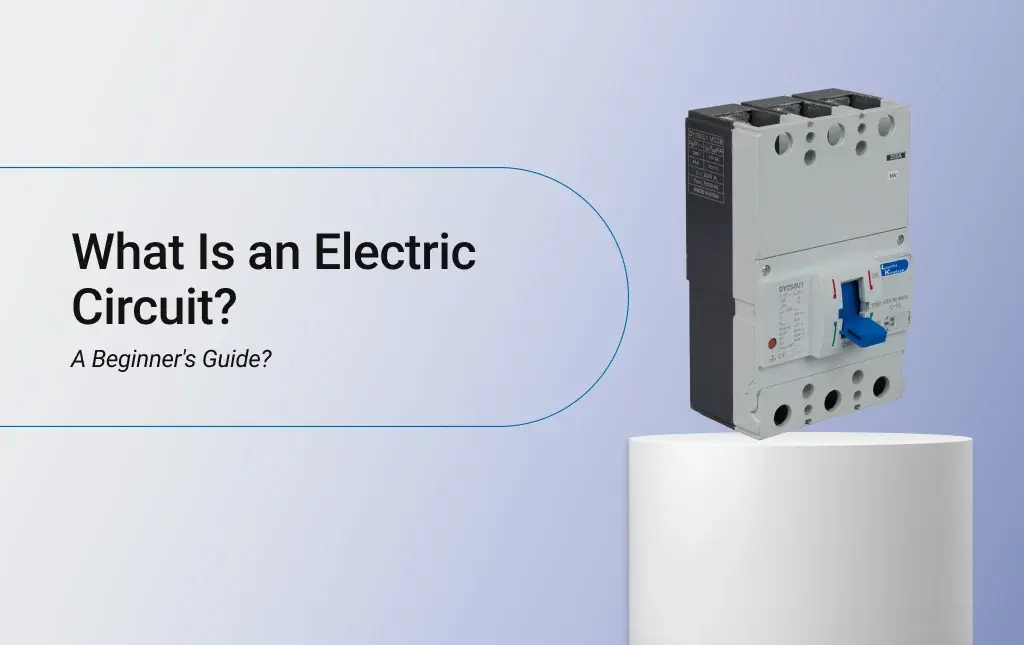
Circuit protection devices such as circuit breakers and fuses help prevent electrical overloads and short circuits. These devices automatically interrupt power when unsafe conditions occur.
Choose protection devices with appropriate ratings for the electrical load. Regular maintenance ensures they function correctly during emergencies.
Step 6: Follow Safe Wiring Practices
Electrical wiring should be installed according to approved standards and manufacturer recommendations. Incorrect wiring can lead to overheating, fires, and equipment damage.
Use suitable wire sizes, proper insulation materials, and approved installation methods. Keep wiring organized and protected from physical damage.
Step 7: Provide Employee Training
Training is essential for anyone working with or around electrical systems. Employees should understand electrical hazards, safety procedures, and emergency response protocols.
Regular training sessions help reinforce safe work practices and keep personnel updated on changing regulations and technologies.
Step 8: Use Personal Protective Equipment
Personal protective equipment (PPE) provides an additional layer of protection against electrical hazards. Examples include insulated gloves, safety glasses, arc-rated clothing, and protective footwear.
Workers should use PPE appropriate for the task being performed. Regular inspection ensures equipment remains effective and safe.
Step 9: Perform Regular Inspections
Routine inspections help identify developing problems before they become serious hazards. Inspections should cover wiring systems, electrical panels, grounding systems, and safety devices.
Document inspection results and address deficiencies promptly. Preventive maintenance improves reliability and safety.
Step 10: Maintain Emergency Preparedness
Emergency preparedness is a key component of electrical safety standards. Organizations should develop procedures for handling electrical incidents, fires, and power failures.
Ensure emergency contacts, first aid resources, and fire suppression equipment are readily available. Conduct emergency drills to improve response readiness.
Benefits of Electrical Safety Standards
- Reduces electrical accidents and injuries
- Minimizes the risk of electrical fires
- Protects employees, residents, and visitors
- Improves equipment reliability and lifespan
- Ensures compliance with legal requirements
- Reduces maintenance and repair costs
- Enhances workplace productivity
- Prevents costly operational downtime
- Supports safe installation practices
- Improves risk management processes
- Increases public confidence and trust
- Encourages consistent safety procedures
- Protects valuable assets and infrastructure
- Promotes professional accountability
- Helps avoid regulatory penalties
Disadvantages / Risks
- Initial compliance costs may be high
- Employee training requires time and resources
- Regular inspections can increase operational expenses
- Complex regulations may be difficult for beginners to understand
- Upgrading outdated systems can be costly
- Non-compliance may result in penalties and legal consequences
- Improper implementation can create a false sense of security
- Frequent regulatory updates may require ongoing adjustments
- Documentation requirements can be time-consuming
- Specialized safety equipment may increase project costs
Common Mistakes to Avoid
One of the most common mistakes is ignoring routine inspections. Many electrical problems develop gradually and remain unnoticed until they cause equipment failure or safety incidents. Regular inspections help detect issues early and prevent serious consequences.
Another mistake is overloading electrical circuits. Plugging too many devices into a single outlet can generate excessive heat and increase fire risks. Always ensure circuits are designed to handle expected loads safely.
Using damaged electrical cords and equipment is another dangerous practice. Frayed wires, cracked insulation, and faulty connections should be repaired or replaced immediately. Continuing to use damaged equipment significantly increases the likelihood of electrical accidents.
Many individuals also underestimate the importance of grounding systems. Poor grounding can expose people and equipment to dangerous fault currents. Proper grounding installation and maintenance are essential for electrical safety.
Lack of employee training is another frequent problem. Workers who are unfamiliar with electrical hazards may unknowingly engage in unsafe behaviors. Comprehensive training programs improve awareness and reduce risks.
Finally, failing to document inspections, maintenance activities, and corrective actions can create compliance issues. Accurate records help demonstrate adherence to safety standards and support continuous improvement efforts.
FAQs
1. What are electrical safety standards?
Electrical safety standards are established guidelines and technical requirements designed to ensure the safe installation, operation, and maintenance of electrical systems. Their primary purpose is to protect people and property from electrical hazards.
2. Why are electrical safety standards necessary?
They help prevent electrical accidents, fires, equipment damage, and injuries. They also provide a consistent framework for safe electrical practices across different industries and environments.
3. Who should follow electrical safety standards?
Homeowners, electricians, contractors, facility managers, engineers, employers, and anyone working with electrical systems should follow applicable electrical safety standards.
4. How often should electrical systems be inspected?
Inspection frequency depends on regulations, equipment type, and environmental conditions. However, regular inspections and preventive maintenance are strongly recommended to maintain safety and reliability.
5. What is the role of grounding in electrical safety?
Grounding provides a safe path for fault currents, reducing the risk of electric shock and equipment damage. It is a fundamental component of safe electrical system design.
6. Can electrical safety standards prevent all accidents?
While no system can eliminate every risk, following electrical safety standards significantly reduces the likelihood of accidents and improves overall safety performance.
7. What happens if an organization does not comply with electrical safety standards?
Non-compliance can result in fines, legal action, workplace injuries, equipment failures, operational disruptions, and reputational damage.
8. What personal protective equipment is used for electrical work?
Common electrical PPE includes insulated gloves, safety helmets, protective eyewear, arc-rated clothing, and electrical safety footwear designed to minimize exposure to hazards.
Expert Tips & Bonus Points
Always treat electrical systems as potentially hazardous, even when they appear to be functioning normally. A proactive safety mindset is one of the most effective ways to prevent accidents.
Develop a culture of safety within your organization by encouraging employees to report hazards, near misses, and unsafe conditions without fear of punishment. Open communication supports continuous improvement.
Use only certified electrical equipment from reputable manufacturers. High-quality components generally provide better reliability, performance, and safety compared to uncertified alternatives.
Implement lockout/tagout procedures when servicing electrical equipment. These procedures help prevent accidental energization and protect workers during maintenance activities.
Maintain detailed records of inspections, repairs, testing activities, and employee training. Documentation helps demonstrate compliance and supports future audits and evaluations.
Consider investing in advanced monitoring systems that can detect electrical abnormalities before they become serious problems. Modern technologies can improve both safety and operational efficiency.
Regularly review and update safety procedures to reflect changes in regulations, equipment, and workplace conditions. Continuous improvement is a key element of effective electrical safety management.
Conclusion
Electrical safety standards serve as the foundation of safe and reliable electrical systems. They provide essential guidelines for designing, installing, operating, inspecting, and maintaining electrical equipment while reducing the risks associated with electricity. From preventing electrical shocks and fires to ensuring regulatory compliance and protecting valuable assets, these standards play a vital role in every environment where electricity is used.
For beginners, understanding electrical safety standards may initially seem challenging, but learning the core principles can significantly improve safety awareness and decision-making. Key practices such as hazard assessments, proper grounding, circuit protection, safe wiring methods, employee training, and regular inspections contribute to a safer workplace and living environment. Following these practices not only protects people but also enhances equipment performance and operational reliability.
Organizations that prioritize electrical safety often experience fewer incidents, lower maintenance costs, improved productivity, and stronger compliance with regulations. Although implementing safety standards may require time, effort, and financial investment, the long-term benefits far outweigh the costs.
By adopting a proactive approach, staying informed about applicable regulations, and continuously improving safety practices, individuals and organizations can create environments where electrical systems operate efficiently and safely. Electrical safety standards are not merely rules to follow—they are essential tools for protecting lives, property, and the future of any electrical infrastructure.