Introduction
Workplace electrical safety is one of the most important aspects of occupational health and safety. Electricity powers nearly every modern workplace, from offices and warehouses to construction sites and manufacturing facilities. While electricity makes work easier and more efficient, it can also pose serious risks when not handled properly. Electrical accidents can lead to injuries, burns, equipment damage, fires, and even fatalities.
Many workplace electrical incidents occur because employees are unaware of potential hazards or fail to follow established safety procedures. Faulty wiring, overloaded circuits, damaged equipment, and improper use of electrical tools are among the leading causes of electrical accidents. Fortunately, most electrical hazards can be prevented through proper training, regular inspections, and adherence to safety standards.
Understanding workplace electrical safety is essential for both employers and employees. A safe work environment not only protects workers but also reduces downtime, improves productivity, and minimizes financial losses associated with accidents and equipment failures.
This comprehensive guide explains workplace electrical safety in simple terms, making it easy for beginners to understand. You will learn what workplace electrical safety is, why it matters, practical steps for maintaining safety, common mistakes to avoid, benefits, risks, and expert recommendations for creating a safer workplace.
What is Workplace Electrical Safety?
Workplace electrical safety refers to the policies, procedures, practices, and precautions designed to protect employees, equipment, and facilities from electrical hazards. It involves identifying potential electrical risks and implementing measures to prevent accidents and injuries.
Electrical safety covers various aspects of workplace operations, including proper installation of electrical systems, safe use of electrical equipment, regular maintenance, employee training, and compliance with safety regulations. It also includes the use of protective equipment and safe work procedures when dealing with electrical systems.
The goal of workplace electrical safety is to minimize the risk of electric shocks, burns, fires, explosions, and other electrical incidents. By following established safety practices, organizations can create a secure working environment where employees can perform their duties confidently and safely.
Why is Workplace Electrical Safety Important?
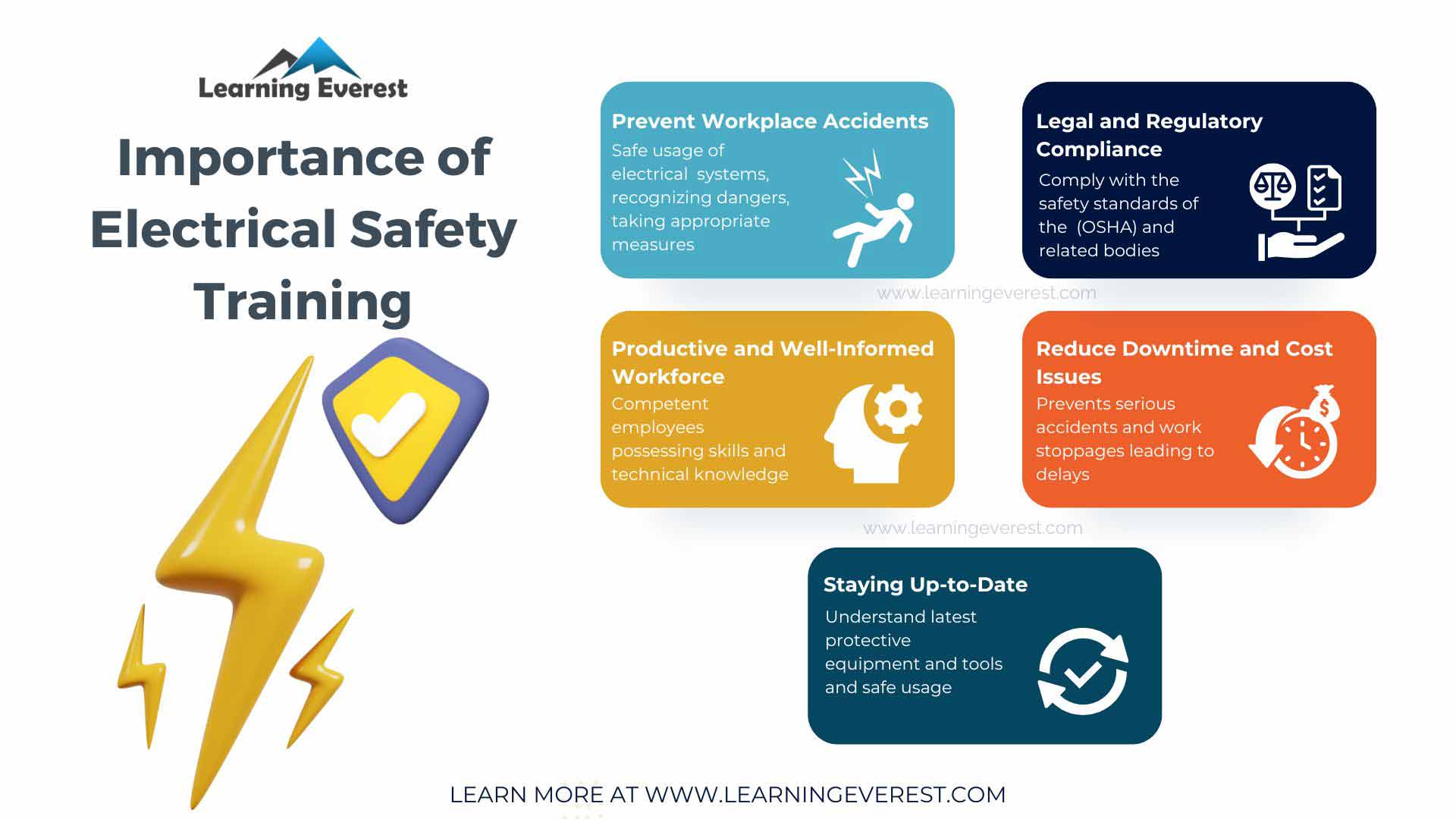
Electricity is an essential part of modern workplaces, but it can become extremely dangerous when not managed properly. Electrical hazards can cause severe injuries and significant property damage within seconds. Therefore, implementing effective electrical safety measures is crucial for every organization.
A strong electrical safety program helps prevent workplace accidents, ensures compliance with legal requirements, protects expensive equipment, and promotes employee well-being. Safe electrical practices also contribute to operational efficiency by reducing downtime caused by equipment failures or accidents.
In addition to protecting workers, workplace electrical safety helps businesses avoid legal penalties, compensation claims, and reputational damage. Organizations that prioritize electrical safety demonstrate their commitment to employee welfare and maintain a positive safety culture that benefits everyone involved.
Detailed Step-by-Step Guide to Workplace Electrical Safety
Step 1: Identify Electrical Hazards
The first step in ensuring workplace electrical safety is identifying potential hazards. Conduct regular inspections to detect damaged cords, exposed wires, overloaded outlets, defective equipment, and unsafe working conditions.
Employees should be encouraged to report electrical hazards immediately. Early identification allows organizations to address problems before they lead to accidents or equipment failures.
Step 2: Conduct Risk Assessments
Once hazards are identified, evaluate the level of risk associated with each issue. Determine the likelihood of accidents and the potential consequences if an incident occurs.
Risk assessments help prioritize corrective actions and allocate resources effectively. High-risk hazards should be addressed immediately to prevent serious injuries or damage.
Step 3: Provide Employee Training
Proper training is essential for workplace electrical safety. Employees should understand how electricity works, recognize hazards, and follow safe work procedures.
Training programs should include emergency response procedures, proper equipment handling, lockout/tagout practices, and the use of personal protective equipment. Regular refresher courses help maintain awareness and reinforce safe behaviors.
Step 4: Inspect Electrical Equipment Regularly
Routine inspections help ensure that electrical equipment remains in safe working condition. Check power cords, plugs, switches, outlets, and machinery for signs of wear or damage.
Defective equipment should be repaired or replaced immediately. Never allow employees to use damaged electrical tools or devices.
Step 5: Avoid Overloading Circuits
Overloaded circuits are a common cause of electrical fires. Ensure that electrical systems are designed to handle the required load and avoid connecting multiple high-power devices to a single outlet.
Use power strips and extension cords responsibly. Employees should understand the risks associated with excessive electrical loads and follow established guidelines.
Step 6: Implement Lockout/Tagout Procedures
Lockout/tagout procedures prevent accidental energization of equipment during maintenance or repairs. These procedures involve disconnecting power sources and clearly labeling equipment that is being serviced.
Only authorized personnel should perform lockout/tagout activities. Proper implementation significantly reduces the risk of electrical accidents during maintenance work.
Step 7: Use Personal Protective Equipment (PPE)
Appropriate PPE provides an additional layer of protection against electrical hazards. Depending on the work environment, PPE may include insulated gloves, safety glasses, arc-rated clothing, and protective footwear.
Employees should be trained on selecting, inspecting, and using PPE correctly. Damaged protective equipment should be replaced immediately.
Step 8: Maintain Safe Working Distances
Workers should maintain safe distances from energized electrical equipment and power lines. Appropriate barriers and warning signs should be installed in hazardous areas.
Understanding minimum approach distances helps reduce the risk of accidental contact with live electrical components.
Step 9: Ensure Proper Grounding
Grounding helps prevent electric shocks by providing a safe path for electrical current. All electrical systems and equipment should be properly grounded according to applicable standards.
Regular testing and maintenance ensure grounding systems remain effective over time.
Step 10: Prepare for Emergencies
Every workplace should have emergency procedures for electrical incidents. Employees should know how to respond to electric shocks, electrical fires, and equipment failures.
Emergency contact information, first aid kits, and fire extinguishers should be easily accessible. Conducting regular emergency drills improves preparedness and response effectiveness.
Benefits of Workplace Electrical Safety
- Reduces workplace injuries and fatalities.
- Prevents electrical fires and explosions.
- Protects expensive equipment from damage.
- Improves employee confidence and morale.
- Ensures compliance with safety regulations.
- Reduces insurance costs and compensation claims.
- Minimizes operational downtime.
- Enhances workplace productivity.
- Promotes a positive safety culture.
- Protects company reputation.
- Increases equipment lifespan.
- Improves overall organizational efficiency.
- Supports long-term business sustainability.
- Reduces maintenance expenses.
- Creates a safer environment for visitors and contractors.
Disadvantages / Risks
- Initial safety program implementation can be costly.
- Employee training requires time and resources.
- Equipment inspections may temporarily interrupt operations.
- PPE can be uncomfortable in certain environments.
- Failure to maintain safety standards can create compliance issues.
- Inadequate training may lead to improper safety practices.
- Neglected maintenance can increase accident risks.
- Outdated electrical systems may require expensive upgrades.
- Poor hazard reporting can delay corrective actions.
- Lack of supervision may reduce safety compliance.
Common Mistakes to Avoid
One common mistake is ignoring minor electrical problems. Small issues such as loose outlets, damaged cords, or flickering lights can quickly develop into serious hazards if left unaddressed. Employees should report concerns immediately, and management should take corrective action without delay.
Another frequent mistake is using extension cords as permanent wiring. Extension cords are designed for temporary use and can create fire hazards when used improperly. Organizations should install adequate outlets and electrical infrastructure to meet operational needs safely.
Many workplaces also fail to provide sufficient employee training. Without proper education, workers may not recognize electrical hazards or understand safe operating procedures. Comprehensive training programs are essential for maintaining a safe work environment.
Overloading electrical circuits is another serious error. Connecting too many devices to a single outlet increases the risk of overheating and electrical fires. Employees should follow established load limits and avoid unauthorized modifications to electrical systems.
Finally, neglecting regular inspections can allow hazards to go unnoticed. Routine maintenance and testing are critical for identifying problems before they result in accidents or equipment failures.
FAQs
1. What is the biggest electrical hazard in the workplace?
The biggest electrical hazard is contact with energized electrical components. This can cause electric shocks, burns, and potentially fatal injuries. Proper training and safety procedures help reduce this risk.
2. How often should electrical equipment be inspected?
Inspection frequency depends on the equipment type and work environment. However, regular visual inspections should be conducted frequently, and formal inspections should follow organizational safety policies and manufacturer recommendations.
3. What should I do if I find damaged electrical equipment?
Stop using the equipment immediately and report it to the appropriate supervisor or maintenance personnel. Never attempt repairs unless you are qualified and authorized to do so.
4. Why is lockout/tagout important?
Lockout/tagout procedures prevent accidental energization of equipment during maintenance. They protect workers from unexpected startup and reduce the risk of serious injuries.
5. Can electrical fires be extinguished with water?
No. Water conducts electricity and can increase the danger. Use an appropriate fire extinguisher designed for electrical fires and disconnect power if it is safe to do so.
6. What personal protective equipment is used for electrical work?
Common PPE includes insulated gloves, arc-rated clothing, face shields, safety glasses, and dielectric footwear. The specific equipment required depends on the task and hazard level.
7. How can employers improve electrical safety awareness?
Employers can provide regular training, conduct safety meetings, perform inspections, display warning signs, encourage hazard reporting, and recognize employees who follow safe practices.
8. What are the signs of an overloaded circuit?
Signs include tripped breakers, flickering lights, warm outlets, burning odors, buzzing sounds, and frequently blown fuses. These issues should be investigated immediately.
Expert Tips & Bonus Points
Develop a proactive safety culture where employees feel comfortable reporting hazards without fear of criticism. Open communication significantly improves workplace safety outcomes.
Maintain detailed records of inspections, maintenance activities, employee training sessions, and incident reports. Documentation helps track safety performance and supports regulatory compliance.
Use modern electrical safety technologies such as ground-fault circuit interrupters, arc-fault protection devices, and smart monitoring systems to enhance workplace protection.
Conduct periodic safety audits to identify weaknesses in existing procedures. Independent assessments often reveal hidden risks that internal teams may overlook.
Encourage management involvement in safety initiatives. When leadership actively supports workplace electrical safety, employees are more likely to follow safety procedures consistently.
Review and update safety policies regularly to address changes in equipment, regulations, and workplace operations. Continuous improvement helps maintain effective protection against evolving electrical hazards.
Conclusion
Workplace electrical safety is a critical component of a successful health and safety program. Since electricity is present in almost every work environment, understanding and controlling electrical hazards is essential for protecting employees, equipment, and business operations. By implementing effective safety measures, organizations can significantly reduce the risk of injuries, fires, equipment failures, and costly disruptions.
A comprehensive electrical safety program begins with hazard identification and risk assessment. It continues through employee training, regular equipment inspections, proper maintenance, safe work procedures, and emergency preparedness. These efforts work together to create a safer workplace where employees can perform their duties confidently and efficiently.
Although implementing electrical safety measures requires time, effort, and resources, the long-term benefits far outweigh the costs. Reduced accidents, improved productivity, regulatory compliance, and enhanced employee well-being contribute to overall organizational success.
For beginners and experienced professionals alike, workplace electrical safety should always remain a top priority. Consistent attention to safety practices, ongoing education, and a strong commitment to hazard prevention will help ensure a secure and productive working environment for everyone. By making electrical safety a daily habit rather than an occasional concern, workplaces can achieve lasting protection and operational excellence.