Introduction
Circuit protection is one of the most important aspects of any electrical system. Whether you are using household appliances, industrial machinery, computers, or electronic gadgets, protecting electrical circuits from damage is essential. Without proper protection, electrical faults can lead to equipment failure, expensive repairs, power outages, and even dangerous fires.
Modern electrical systems rely on various circuit protection devices to detect abnormal conditions and disconnect power before serious damage occurs. These devices help maintain safety, improve reliability, and extend the lifespan of electrical equipment. From simple household fuse boxes to advanced industrial protection systems, circuit protection plays a critical role in ensuring smooth and safe operation.
For beginners, understanding circuit protection may seem complicated because of the many devices, technical terms, and safety requirements involved. However, learning the fundamentals can help you make better decisions when working with electrical systems or selecting protection devices for your home or business.
This comprehensive guide explains circuit protection in simple language. You will learn what circuit protection is, why it matters, how it works, the different protection devices available, installation steps, advantages, disadvantages, common mistakes, expert tips, and answers to frequently asked questions. By the end of this guide, you will have a solid understanding of circuit protection and its importance in maintaining electrical safety.
What is Circuit Protection?
Circuit protection refers to the methods, devices, and techniques used to protect electrical circuits from damage caused by abnormal electrical conditions. These conditions may include overcurrent, overloads, short circuits, voltage spikes, ground faults, and power surges.
The primary purpose of circuit protection is to interrupt the flow of electricity when dangerous conditions occur. This prevents wires, equipment, and connected devices from overheating or becoming damaged. Protection devices act as safety barriers between electrical faults and valuable equipment.
Circuit protection systems are used in residential, commercial, industrial, automotive, and electronic applications. Common examples include fuses, circuit breakers, surge protectors, residual current devices, and overload relays. Each device is designed to detect specific types of electrical faults and respond appropriately.
A properly designed circuit protection system not only protects equipment but also reduces the risk of electrical fires and personal injury. Because electricity is a powerful energy source, effective protection measures are essential in every electrical installation.
Why is Circuit Protection Important?
Circuit protection is important because electrical systems are vulnerable to unexpected faults that can occur at any time. Overloaded circuits, damaged wiring, equipment malfunctions, and lightning strikes can all create dangerous conditions that threaten safety and reliability.
Without proper protection, excessive current can flow through wires and components, generating heat that may damage insulation and create fire hazards. Sensitive electronic devices can also be destroyed by voltage surges and electrical disturbances. These failures often result in costly repairs and operational downtime.
Circuit protection helps maintain safe operation by automatically disconnecting power when faults occur. This reduces the risk of injury, protects valuable equipment, and prevents small problems from becoming major disasters. It also supports compliance with electrical codes and safety regulations.
In modern homes and businesses, electrical systems are more complex than ever. As dependence on electronic equipment increases, effective circuit protection becomes even more critical for maintaining safety, performance, and reliability.
Detailed Step-by-Step Guide
Step 1: Understand Common Electrical Faults
Before selecting protection devices, it is important to understand the most common electrical faults.
Overload: Occurs when a circuit carries more current than its designed capacity.
Short Circuit: Happens when electricity follows an unintended path with very low resistance.
Ground Fault: Occurs when current flows directly to the ground.
Voltage Surge: A sudden increase in voltage that can damage electronic equipment.
Identifying these faults helps determine which protection devices are needed.
Step 2: Evaluate Your Electrical System
Analyze the electrical system you want to protect. Consider factors such as voltage level, current rating, equipment type, and operating environment.
Residential systems usually require basic protection devices such as circuit breakers and surge protectors. Industrial systems may require advanced protection including relays, monitoring systems, and specialized breakers.
Proper assessment ensures that protection devices match the system requirements.
Step 3: Select Appropriate Circuit Protection Devices
Different protection devices serve different purposes.
Fuses
A fuse contains a metal element that melts when excessive current flows through it. Once blown, the fuse must be replaced.
Fuses are inexpensive, simple, and effective for protecting against overcurrent conditions.
Circuit Breakers
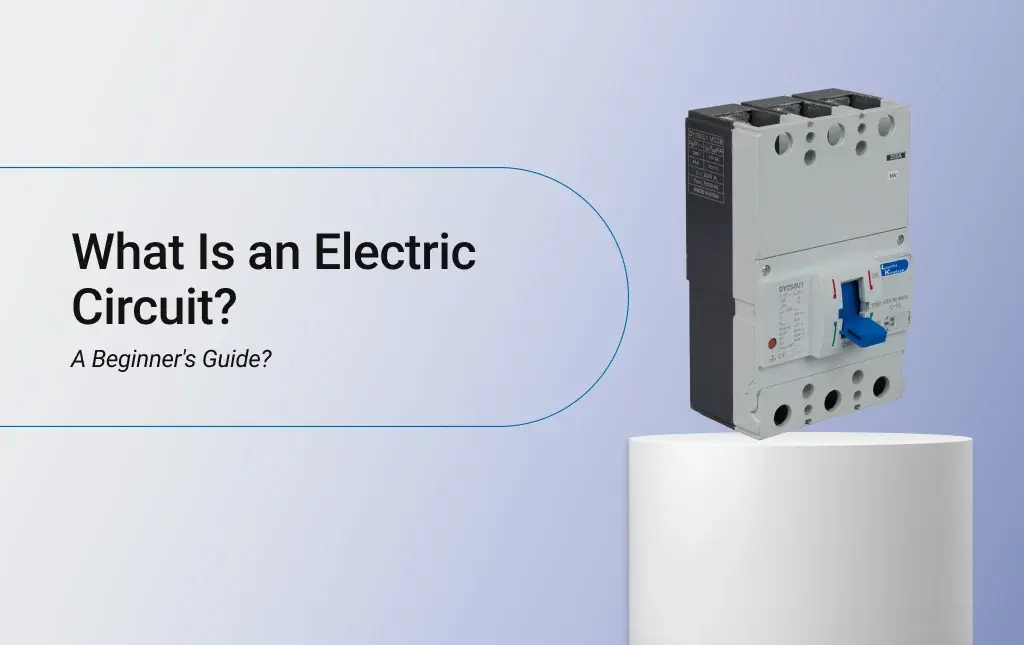
Circuit breakers automatically interrupt electrical flow when faults occur. Unlike fuses, they can be reset after tripping.
They are commonly used in homes, offices, and industrial facilities because of their convenience and reliability.
Surge Protectors
Surge protectors shield electronic devices from voltage spikes caused by lightning strikes or power disturbances.
They are particularly important for computers, televisions, routers, and sensitive electronic equipment.
Residual Current Devices (RCDs)
RCDs detect leakage currents and disconnect power quickly to prevent electric shock.
They are widely used in bathrooms, kitchens, and outdoor electrical installations.
Overload Relays
Overload relays protect electric motors from overheating caused by excessive current.
These devices are commonly found in industrial and manufacturing environments.
Step 4: Determine Proper Ratings
Selecting the correct rating is essential for effective protection.
The protection device must match the voltage and current requirements of the circuit. An underrated device may trip unnecessarily, while an overrated device may fail to provide adequate protection.
Always consult electrical specifications and safety standards when choosing ratings.
Step 5: Install Devices Correctly
Installation should follow manufacturer guidelines and applicable electrical codes.
Turn off power before beginning any installation work. Verify all wiring connections and ensure that devices are securely mounted.
Incorrect installation can compromise protection effectiveness and create safety hazards.
Step 6: Test Protection Devices
After installation, test all protection devices to verify proper operation.
Check breaker functionality, test RCD trip mechanisms, and inspect surge protection indicators where applicable.
Regular testing helps identify problems before they lead to failures.
Step 7: Perform Routine Maintenance
Circuit protection devices require periodic inspection and maintenance.
Look for signs of wear, corrosion, overheating, or physical damage. Replace defective components immediately and keep maintenance records when possible.
Routine maintenance improves system reliability and extends equipment life.
Step 8: Monitor System Performance
Continuous monitoring helps identify abnormal operating conditions.
Advanced monitoring systems can detect voltage fluctuations, current imbalances, and developing faults before they become serious issues.
Monitoring improves safety and supports preventive maintenance programs.
Benefits of Circuit Protection
• Prevents electrical fires caused by overloads and short circuits
• Protects expensive electrical and electronic equipment
• Reduces repair and replacement costs
• Improves system reliability and uptime
• Enhances personal safety
• Minimizes operational interruptions
• Supports compliance with electrical safety standards
• Protects against voltage surges
• Extends equipment lifespan
• Improves overall electrical system performance
Disadvantages / Risks
• Initial installation costs may be significant
• Some protection devices require regular maintenance
• Incorrect device selection can reduce effectiveness
• Nuisance tripping may occur in certain situations
• Complex systems may require professional installation
• Device failure can occur if maintenance is neglected
• Protection systems add design complexity
• Replacement costs may arise after fault events
Common Mistakes to Avoid
One common mistake is selecting protection devices with incorrect ratings. Oversized devices may fail to protect equipment, while undersized devices can cause frequent interruptions. Proper calculations and specifications are essential before installation.
Another frequent error is ignoring surge protection. Many people focus only on overload protection and overlook the damage that voltage spikes can cause to sensitive electronics. Comprehensive protection should address all major electrical risks.
Poor installation practices can also compromise safety. Loose connections, incorrect wiring, and non-compliance with electrical codes increase the likelihood of protection failures. Professional installation is recommended for complex systems.
Neglecting maintenance is another serious mistake. Protection devices should be inspected and tested regularly to ensure they function correctly when needed. A device that fails during an emergency provides little value.
Finally, many users fail to update protection systems when expanding electrical installations. Adding new equipment may increase electrical loads beyond original design limits, requiring upgraded protection devices.
FAQs
1. What is the main purpose of circuit protection?
The main purpose of circuit protection is to prevent damage caused by electrical faults such as overloads, short circuits, and voltage surges. It helps protect equipment, property, and people from electrical hazards.
2. What is the difference between a fuse and a circuit breaker?
A fuse contains a metal element that melts when excessive current flows through it, requiring replacement afterward. A circuit breaker automatically trips during faults and can be reset without replacement.
3. How often should circuit protection devices be tested?
Testing frequency depends on the device type and application. Residential systems may require annual inspections, while industrial systems often follow more frequent maintenance schedules.
4. Are surge protectors necessary for homes?
Yes. Surge protectors help prevent damage to computers, televisions, appliances, and other electronics caused by voltage spikes and power disturbances.
5. Can circuit protection prevent electrical fires?
Circuit protection significantly reduces fire risks by disconnecting power during overloads, short circuits, and other dangerous electrical conditions.
6. What causes a circuit breaker to trip repeatedly?
Repeated tripping may indicate overloaded circuits, faulty wiring, defective appliances, or a damaged breaker. The underlying cause should be investigated and corrected promptly.
7. Are RCDs and circuit breakers the same?
No. Circuit breakers primarily protect against overcurrent conditions, while RCDs protect against electric shock by detecting leakage currents.
8. Do industrial systems require special circuit protection?
Yes. Industrial systems often require advanced protection solutions such as overload relays, protective relays, motor protection devices, and monitoring systems to manage complex electrical loads.
Expert Tips & Bonus Points
Choose protection devices from reputable manufacturers that comply with recognized safety standards. Quality products generally provide better reliability and longer service life.
Always leave room for future electrical expansion when designing protection systems. This reduces the need for major upgrades later and improves scalability.
Use layered protection whenever possible. Combining circuit breakers, surge protectors, and RCDs creates a more comprehensive safety system than relying on a single device.
Maintain accurate documentation of all installed protection devices, ratings, maintenance activities, and inspections. Good records simplify troubleshooting and future upgrades.
Consider smart monitoring technologies for critical installations. Modern monitoring systems can provide real-time alerts, fault diagnostics, and predictive maintenance capabilities.
Educate users and maintenance personnel about the purpose and operation of protection devices. Proper understanding reduces misuse and improves overall safety.
Conclusion
Circuit protection is a fundamental part of every electrical system. Whether in homes, offices, factories, or electronic devices, effective protection measures help ensure safe and reliable operation. By preventing damage from overloads, short circuits, ground faults, and voltage surges, circuit protection safeguards both people and equipment.
Understanding the various protection devices available is essential for making informed decisions. Fuses, circuit breakers, surge protectors, residual current devices, and overload relays each play a unique role in maintaining electrical safety. Selecting the correct device, using proper ratings, and following installation guidelines are critical steps toward achieving effective protection.
Regular testing, inspection, and maintenance further improve reliability and ensure that protection devices perform as expected during fault conditions. Avoiding common mistakes such as improper sizing, poor installation, and neglected maintenance can significantly enhance system performance and safety.
As electrical systems continue to evolve and become more sophisticated, the importance of circuit protection will only increase. Investing in quality protection solutions today can prevent costly failures, reduce safety risks, and extend the lifespan of valuable equipment. By applying the principles outlined in this guide, beginners can build a strong foundation in circuit protection and contribute to safer, more dependable electrical systems for years to come.