Introduction
Electrical hazards are among the most common causes of workplace injuries, property damage, and accidental fires worldwide. Whether in homes, offices, construction sites, factories, or commercial buildings, electricity powers daily activities but also presents serious risks when not handled properly. Understanding electrical hazard prevention is essential for maintaining a safe environment and protecting lives.
Many accidents occur because people underestimate the dangers associated with electrical equipment, exposed wiring, overloaded circuits, or improper maintenance. Even a small electrical mistake can result in severe shocks, burns, equipment damage, or fatal incidents. Fortunately, most electrical accidents can be prevented through awareness, proper safety procedures, regular inspections, and adherence to established safety standards.
For beginners, learning electrical hazard prevention may seem overwhelming at first. However, by understanding basic electrical risks and following proven safety practices, anyone can significantly reduce the chances of accidents. Prevention begins with recognizing hazards, using equipment correctly, and creating a culture of safety in every environment.
This comprehensive guide explains everything you need to know about electrical hazard prevention. You will learn what electrical hazards are, why prevention is important, step-by-step safety procedures, benefits, risks, common mistakes, frequently asked questions, and expert recommendations that can help create safer workplaces and homes.
What is Electrical Hazard Prevention?
Electrical hazard prevention refers to the process of identifying, controlling, and eliminating risks associated with electrical systems, equipment, and installations. The goal is to prevent injuries, fatalities, fires, explosions, and property damage caused by electrical accidents.
Electrical hazards can occur whenever people come into contact with energized equipment, damaged wiring, faulty appliances, overloaded circuits, or improperly maintained electrical systems. Prevention involves implementing safety measures that reduce exposure to these dangers.
Electrical hazard prevention includes conducting inspections, maintaining equipment, training workers, using protective equipment, following safety procedures, and complying with electrical codes and regulations. These practices help ensure that electrical systems operate safely and efficiently.
Effective prevention strategies focus on both human behavior and technical controls. Workers must understand safe practices, while organizations must provide safe equipment and working conditions. Together, these efforts create a safer environment and minimize electrical-related incidents.
Why is Electrical Hazard Prevention Important?
Electrical hazard prevention is important because electricity can cause severe injuries and damage within seconds. Electrical shocks, burns, arc flashes, and fires often result from preventable mistakes and unsafe conditions. Prevention measures reduce these risks and protect people from harm.
Without proper safety procedures, even routine tasks can become dangerous. Workers handling electrical equipment may face exposure to live circuits, damaged insulation, or faulty tools. Preventive measures help identify these dangers before accidents occur and ensure corrective actions are taken promptly.
Electrical hazard prevention also protects businesses from financial losses. Accidents can lead to medical expenses, equipment replacement costs, legal liabilities, operational disruptions, and reputational damage. Investing in prevention improves productivity, compliance, and overall workplace safety.
Furthermore, safety-focused environments promote employee confidence and operational efficiency. When workers understand electrical risks and know how to protect themselves, they perform tasks more effectively and contribute to a stronger safety culture.
Detailed Step-by-Step Guide to Electrical Hazard Prevention
Step 1: Understand Common Electrical Hazards
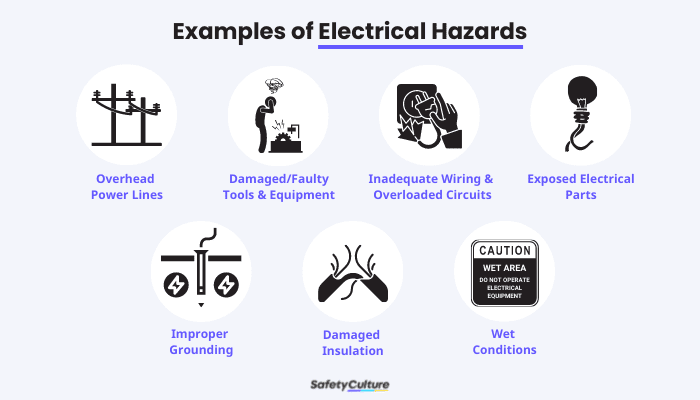
The first step in prevention is recognizing potential hazards. Common electrical dangers include exposed wires, overloaded outlets, damaged equipment, wet conditions, defective tools, and improper grounding.
Individuals should learn how these hazards develop and understand the consequences of electrical accidents. Awareness forms the foundation of every effective safety program.
Step 2: Conduct Regular Electrical Inspections
Routine inspections help identify problems before they become dangerous. Electrical systems should be examined for damaged cords, loose connections, overheating components, and signs of wear.
Inspection schedules should be established for workplaces, commercial facilities, and residential properties. Any identified issues should be addressed immediately to prevent accidents.
Step 3: Use Proper Personal Protective Equipment
Personal protective equipment (PPE) provides an additional layer of protection when working near electrical systems. Appropriate PPE may include insulated gloves, safety glasses, arc-rated clothing, helmets, and protective footwear.
Workers should receive training on selecting, inspecting, and using PPE correctly. Damaged protective equipment should be replaced immediately.
Step 4: De-Energize Equipment Before Maintenance
Before performing repairs or maintenance, electrical equipment should be completely disconnected from its power source whenever possible.
Lockout and tagout procedures should be implemented to ensure that equipment cannot be accidentally energized during maintenance activities. These procedures significantly reduce the risk of electrical shocks and unexpected equipment startup.
Step 5: Maintain Safe Distances from Energized Components
Workers should avoid unnecessary contact with energized electrical systems and maintain recommended clearance distances.
Proper barriers, warning signs, and restricted access zones should be established around high-voltage equipment to prevent accidental contact.
Step 6: Ensure Proper Grounding
Grounding provides a safe path for electrical current during faults and helps prevent electric shocks.
All electrical systems and equipment should be installed according to applicable electrical codes and inspected regularly to verify grounding effectiveness.
Step 7: Avoid Overloading Circuits
Overloaded circuits are a major cause of electrical fires. Too many devices connected to a single circuit can generate excessive heat and damage electrical components.
Power loads should be distributed appropriately, and circuits should be designed to handle expected electrical demands safely.
Step 8: Keep Electrical Equipment Dry
Water and electricity are a dangerous combination. Electrical equipment should be protected from moisture, rain, spills, and humid conditions whenever possible.
Special precautions should be taken in outdoor environments and areas where water exposure is likely.
Step 9: Provide Electrical Safety Training
Training ensures that employees understand electrical hazards and know how to work safely around electrical systems.
Educational programs should cover hazard recognition, emergency procedures, equipment operation, lockout/tagout practices, and proper use of protective equipment.
Step 10: Establish Emergency Response Procedures
Despite preventive measures, emergencies can still occur. Organizations should develop clear emergency response plans for electrical incidents.
Employees should know how to respond to shocks, burns, fires, and equipment failures. Emergency contact information and first-aid resources should remain readily accessible.
Step 11: Replace Damaged Equipment Immediately
Faulty electrical equipment significantly increases accident risks. Damaged cords, plugs, switches, and devices should be repaired or replaced without delay.
Temporary fixes should never substitute for proper repairs. Safe equipment operation depends on maintaining components in good condition.
Step 12: Follow Electrical Codes and Standards
Electrical codes and safety regulations are designed to minimize hazards and ensure system reliability.
Compliance with recognized standards helps organizations maintain safe electrical environments and reduce liability risks associated with non-compliance.
Benefits of Electrical Hazard Prevention
- Reduces the risk of electrical shocks and electrocution
- Prevents workplace injuries and fatalities
- Minimizes fire hazards and property damage
- Improves employee safety awareness
- Enhances workplace productivity
- Reduces equipment failures and downtime
- Supports regulatory compliance
- Lowers insurance and compensation costs
- Strengthens organizational safety culture
- Protects valuable assets and infrastructure
- Improves operational efficiency
- Builds employee confidence and morale
Disadvantages / Risks
- Initial implementation costs can be high
- Safety training requires time and resources
- Regular inspections may interrupt operations
- Protective equipment requires ongoing maintenance
- Compliance procedures can be complex
- Continuous monitoring demands dedicated personnel
- Older facilities may require expensive upgrades
- Failure to maintain prevention programs can reduce effectiveness
- Inadequate training may create false confidence
- Neglected safety procedures increase accident risks
Common Mistakes to Avoid
One of the most common mistakes is assuming that electrical equipment is safe simply because it appears functional. Hidden defects can exist even when equipment seems normal. Regular inspections are essential for identifying underlying issues before accidents occur.
Another mistake is using damaged extension cords, plugs, or power strips. Many people continue using compromised equipment despite visible signs of wear. Damaged components should always be removed from service immediately.
Ignoring lockout and tagout procedures is another serious error. Maintenance workers sometimes perform repairs without fully isolating energy sources, exposing themselves to potentially fatal electrical hazards.
Overloading outlets and circuits remains a leading cause of electrical fires. Users should avoid connecting excessive devices to a single outlet and ensure electrical systems can support the required load.
Lack of training also contributes significantly to electrical accidents. Workers who do not understand electrical risks may unknowingly engage in unsafe practices that increase injury potential.
Finally, neglecting protective equipment can expose individuals to unnecessary danger. PPE should always be used when required and inspected regularly for damage.
FAQs
1. What is the most common electrical hazard?
Electrical shock is one of the most common electrical hazards. It occurs when a person comes into contact with an energized source, allowing electrical current to pass through the body.
2. How can electrical fires be prevented?
Electrical fires can be prevented by avoiding overloaded circuits, replacing damaged wiring, conducting regular inspections, using properly rated equipment, and following electrical safety standards.
3. Why is grounding important in electrical safety?
Grounding provides a safe path for fault currents and helps protect individuals from electric shocks. It also reduces the risk of equipment damage during electrical faults.
4. What should I do if someone receives an electrical shock?
Do not touch the victim until the power source has been disconnected. Call emergency services immediately and provide first aid only when it is safe to do so.
5. How often should electrical equipment be inspected?
Inspection frequency depends on the environment, equipment type, and usage conditions. High-risk environments generally require more frequent inspections than standard office settings.
6. What is an arc flash?
An arc flash is a sudden release of electrical energy through the air caused by a fault in an electrical system. It can produce intense heat, pressure waves, and severe burns.
7. Is personal protective equipment enough to prevent electrical injuries?
PPE provides important protection but should never be the only safety measure. Effective electrical safety requires hazard identification, engineering controls, safe procedures, training, and proper maintenance.
8. Can household electrical hazards be dangerous?
Yes. Household hazards such as damaged cords, overloaded outlets, faulty appliances, and exposed wiring can cause shocks, fires, and serious injuries if not addressed promptly.
Expert Tips & Bonus Points
Always assume electrical equipment is energized until it has been properly tested and verified. This mindset helps reduce complacency and encourages safer work practices.
Create a preventive maintenance schedule for all electrical systems. Consistent maintenance identifies potential issues before they escalate into costly or dangerous failures.
Encourage workers and family members to report electrical concerns immediately. Early reporting allows problems to be corrected before accidents occur.
Use only certified electrical equipment and components from reputable manufacturers. High-quality products generally offer better reliability and safety performance.
Document inspections, maintenance activities, training sessions, and corrective actions. Accurate records support compliance efforts and improve long-term safety management.
Install ground fault circuit interrupters in areas where moisture exposure is possible. These devices provide additional protection against electrical shocks.
Review emergency response procedures regularly and conduct safety drills to ensure everyone knows how to react during an electrical incident.
Promote continuous learning and safety awareness. Electrical technologies evolve over time, and staying informed helps maintain effective hazard prevention strategies.
Conclusion
Electrical hazard prevention is a critical component of workplace and home safety. While electricity powers modern life and supports countless activities, it also presents significant risks when safety practices are ignored. Electrical shocks, burns, fires, equipment failures, and fatalities can occur quickly, often resulting from preventable conditions and unsafe behaviors.
The key to effective prevention lies in understanding electrical hazards, conducting regular inspections, maintaining equipment properly, following established safety procedures, and providing comprehensive training. Simple actions such as avoiding overloaded circuits, replacing damaged equipment, using protective gear, and implementing lockout/tagout procedures can dramatically reduce accident risks.
Organizations that prioritize electrical safety benefit from fewer injuries, reduced downtime, improved compliance, and stronger operational performance. Likewise, homeowners who practice electrical hazard prevention create safer living environments for themselves and their families.
Electrical safety should never be viewed as a one-time effort. It requires continuous attention, regular evaluations, and a commitment to improvement. By applying the strategies outlined in this guide, beginners can develop a solid understanding of electrical hazard prevention and contribute to safer, more secure environments wherever electricity is used.