Introduction
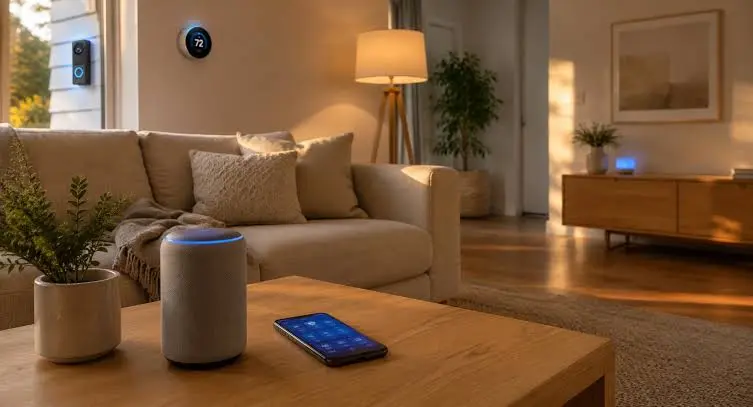
Technology has transformed the way people live, work, and interact with their surroundings. One of the most significant advancements in modern living is the rise of smart home devices. These innovative gadgets are designed to automate everyday tasks, improve convenience, enhance security, and help homeowners manage energy consumption more effectively.
From smart speakers and intelligent lighting systems to advanced security cameras and smart thermostats, smart home technology is becoming increasingly popular worldwide. What once seemed like futuristic technology is now accessible to millions of households. Even beginners with little technical knowledge can install and operate many smart devices with ease.
The growing popularity of smart homes is driven by the need for convenience, efficiency, safety, and better control over household systems. Whether you want to control your lights with voice commands, monitor your home remotely, or automate daily routines, smart home devices can significantly improve your lifestyle.
This comprehensive guide explains everything beginners need to know about smart home devices. You will learn what they are, why they matter, how to choose and install them, their advantages and disadvantages, common mistakes to avoid, and expert tips for maximizing their benefits. By the end of this guide, you will have a clear understanding of how smart home technology works and how to create a connected home that suits your needs and budget.
What is Smart Home Devices?
Smart home devices are internet-connected electronic gadgets that can communicate with users, other devices, or central control systems to automate and manage household functions. These devices typically connect through Wi-Fi, Bluetooth, Zigbee, Z-Wave, or other wireless communication technologies.
The primary purpose of smart home devices is to make everyday life easier, safer, and more efficient. They can perform tasks automatically, respond to voice commands, and provide remote access through smartphone applications. This allows homeowners to control various aspects of their homes from virtually anywhere.
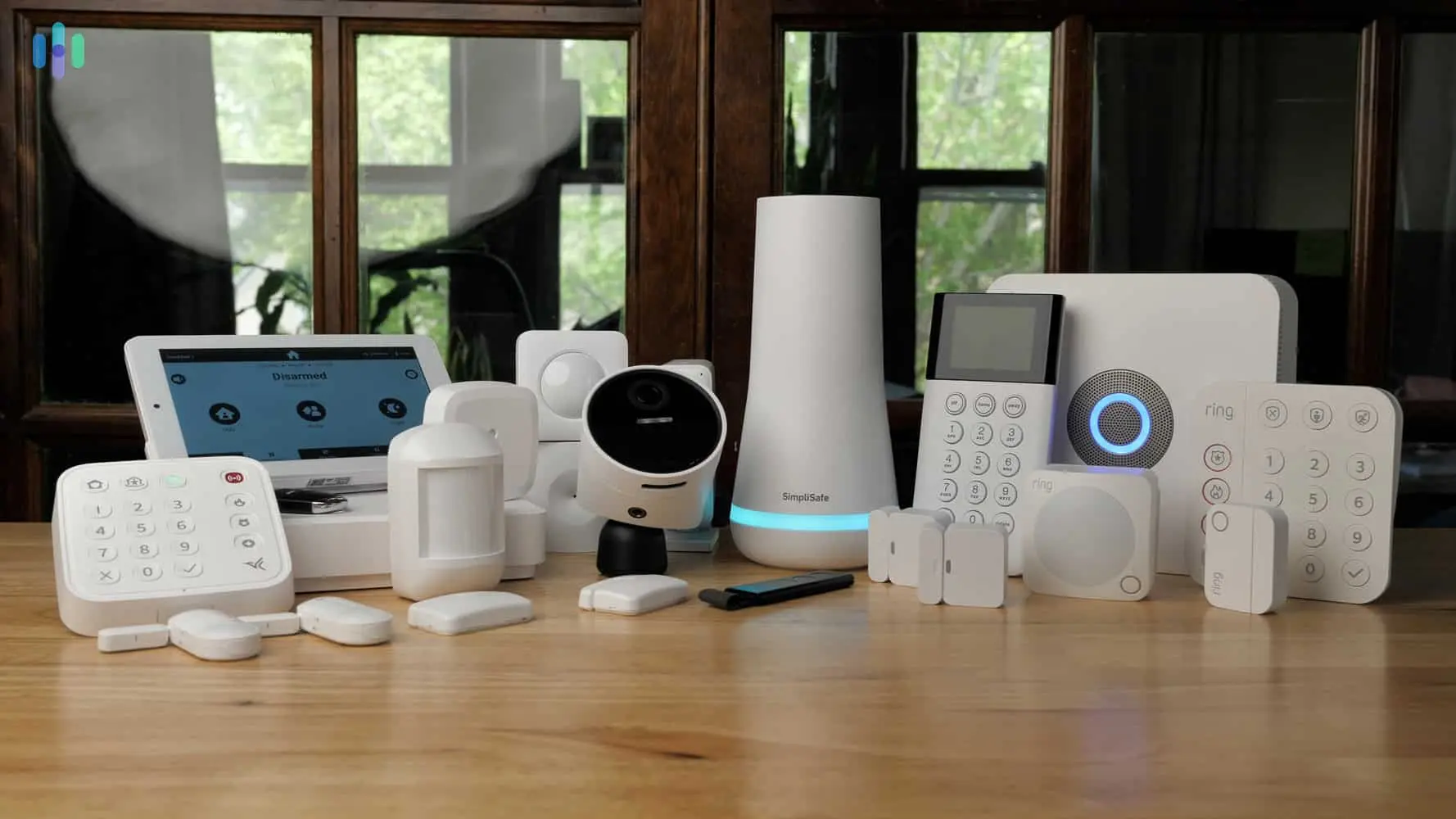
Examples of smart home devices include smart lights, smart locks, smart thermostats, smart doorbells, smart security cameras, smart speakers, smart plugs, smart appliances, and smart sensors. Many of these devices can work together to create a fully integrated smart home ecosystem.
As technology continues to advance, smart home devices are becoming more affordable, user-friendly, and capable of handling increasingly complex tasks. They are no longer limited to technology enthusiasts and are now suitable for homeowners, renters, and families looking to improve their living environments.
Why is Smart Home Devices Important?
Smart home devices play a crucial role in modern households because they simplify everyday activities while providing greater control over home environments. They allow users to automate repetitive tasks, save time, and reduce manual effort.
One of the most important reasons smart home devices are valuable is their ability to improve security. Smart cameras, motion detectors, doorbell cameras, and smart locks help homeowners monitor and protect their properties more effectively. Real-time alerts and remote access provide peace of mind whether users are at home or away.
Energy efficiency is another significant benefit. Smart thermostats, lighting systems, and energy-monitoring devices help reduce electricity consumption by optimizing usage patterns. This not only lowers utility bills but also supports environmental sustainability.
Smart home devices also improve accessibility for elderly individuals and people with disabilities. Voice-controlled assistants and automated systems make it easier to perform daily tasks without physical effort. As homes become increasingly connected, smart devices are expected to play an even greater role in enhancing comfort, safety, and convenience.
Detailed Step-by-Step Guide
Step 1: Understand Your Needs
Before purchasing any smart home device, identify your primary goals. Some homeowners prioritize security, while others focus on convenience, energy savings, or entertainment.
Create a list of tasks you would like to automate. Examples include controlling lights remotely, monitoring home security, adjusting room temperatures automatically, or managing household appliances through voice commands.
Understanding your priorities helps you choose devices that provide maximum value without unnecessary spending.
Step 2: Establish a Reliable Internet Connection
Most smart home devices depend on a stable internet connection. A strong Wi-Fi network ensures smooth communication between devices and mobile applications.
Consider upgrading your router if you plan to connect multiple smart devices. Modern mesh Wi-Fi systems can provide better coverage throughout larger homes and reduce connectivity issues.
Reliable internet connectivity forms the foundation of a successful smart home setup.
Step 3: Choose a Smart Home Ecosystem
Selecting a smart home ecosystem is essential for compatibility and seamless integration. Popular ecosystems include voice assistants and smart home platforms that allow multiple devices to work together.
A unified ecosystem simplifies device management and enables automation routines involving several gadgets simultaneously.
Research compatibility before making purchases to ensure all devices can communicate effectively within the same ecosystem.
Step 4: Start with Basic Smart Devices
Beginners should begin with simple and affordable devices. Smart bulbs, smart plugs, and smart speakers are excellent starting points.
These devices are easy to install and provide immediate benefits. They also help users become familiar with smart home technology before investing in more advanced systems.
Starting small reduces complexity and minimizes setup challenges.
Step 5: Install and Configure Devices
Follow manufacturer instructions carefully when installing devices. Most smart home products include setup guides and mobile applications that walk users through the process.
Typically, installation involves connecting the device to power, downloading the companion app, connecting to Wi-Fi, and completing registration steps.
Proper installation ensures optimal performance and prevents future connectivity problems.
Step 6: Create Automation Rules
Automation is one of the most powerful features of smart home technology. Automation rules allow devices to perform actions automatically based on specific conditions.
For example, lights can turn on at sunset, thermostats can adjust temperatures when occupants leave home, and security cameras can activate when motion is detected.
These automated routines improve convenience while reducing manual intervention.
Step 7: Enhance Home Security
Once basic automation is functioning, consider adding security-focused devices such as smart locks, doorbell cameras, and motion sensors.
These devices provide real-time monitoring and instant notifications when unusual activity occurs. Many systems also offer video recording and remote access capabilities.
Improved security is one of the most compelling reasons homeowners invest in smart technology.
Step 8: Integrate Energy Management Features
Smart thermostats, smart plugs, and intelligent lighting systems can help reduce energy waste.
Monitor usage patterns and create schedules to ensure devices operate only when necessary. Automated energy management can significantly lower utility costs over time.
Many smart home applications also provide detailed energy consumption reports for further optimization.
Step 9: Expand Your Smart Home Gradually
As you become more comfortable with smart technology, you can add additional devices such as smart appliances, smart blinds, robotic vacuums, and advanced monitoring systems.
Expanding gradually allows you to learn how different devices interact and ensures a smoother transition to a fully connected home.
A phased approach also helps spread costs over time.
Step 10: Maintain and Update Devices
Regular maintenance is essential for security and performance. Keep firmware and software updated to protect devices from vulnerabilities.
Review privacy settings periodically and replace outdated devices when necessary.
Ongoing maintenance ensures long-term reliability and optimal functionality.
Benefits of Smart Home Devices
- Increased convenience through automation
- Remote control from smartphones and tablets
- Enhanced home security and monitoring
- Better energy efficiency and lower utility bills
- Improved comfort and customization
- Voice-controlled operation
- Time-saving automation routines
- Real-time notifications and alerts
- Increased property value
- Better accessibility for elderly users
- Easy integration of multiple devices
- Improved household management
- Reduced energy waste
- Enhanced entertainment experiences
- Greater peace of mind when away from home
Disadvantages / Risks
- Initial setup costs can be expensive
- Dependence on internet connectivity
- Potential privacy concerns
- Risk of cyberattacks and hacking
- Compatibility issues between brands
- Learning curve for beginners
- Ongoing software maintenance requirements
- Device failures can disrupt automation
- Subscription fees for certain services
- Data collection by manufacturers
- Frequent technology upgrades may increase costs
- Battery replacements for some devices
- Limited functionality during power outages
- Complex troubleshooting in larger systems
Common Mistakes to Avoid
Many beginners purchase smart home devices without first planning their overall setup. This often results in compatibility issues and fragmented systems that are difficult to manage. Creating a clear strategy before purchasing devices can prevent these problems.
Another common mistake is ignoring cybersecurity. Weak passwords, outdated firmware, and unsecured networks can expose devices to cyber threats. Always use strong passwords, enable security features, and keep software updated.
Some users also attempt to automate too many processes at once. Excessive automation can become confusing and difficult to maintain. Start with a few useful automations and expand gradually as you gain experience.
Choosing devices solely based on price is another mistake. Low-cost products may offer limited functionality, poor reliability, or weak security features. Consider quality, compatibility, and long-term value rather than focusing exclusively on cost.
Finally, many homeowners overlook internet performance. Smart devices rely heavily on stable connectivity, so investing in a reliable network infrastructure is essential for a successful smart home experience.
FAQs
1. What are smart home devices?
Smart home devices are internet-connected gadgets that automate and control household functions such as lighting, security, climate control, entertainment, and appliance management.
2. Are smart home devices difficult to install?
Most modern smart home devices are designed for easy installation. Manufacturers provide detailed instructions and mobile apps that guide users through the setup process step by step.
3. Do smart home devices save money?
Yes. Smart thermostats, lighting systems, and energy-monitoring devices can reduce energy consumption, leading to lower utility bills over time.
4. Are smart home devices secure?
Smart home devices can be secure when users follow best practices such as using strong passwords, enabling two-factor authentication, updating firmware regularly, and securing home networks.
5. Can smart home devices work without the internet?
Some devices offer limited offline functionality, but many advanced features such as remote access, cloud storage, and voice control require an internet connection.
6. Which smart home device should beginners buy first?
Smart bulbs, smart plugs, and smart speakers are often the best starting points because they are affordable, easy to install, and provide immediate benefits.
7. Can different brands work together?
Many devices can work together if they support common smart home standards or compatible ecosystems. Checking compatibility before purchase is important.
8. Are smart home devices worth the investment?
For many homeowners, smart home devices provide valuable benefits including convenience, security, energy savings, and improved quality of life, making them a worthwhile investment.
Expert Tips & Bonus Points
Start with one smart home category rather than purchasing multiple device types simultaneously. This approach simplifies learning and reduces setup complexity.
Choose devices from reputable manufacturers with strong security records and consistent software support. Long-term updates are essential for maintaining reliability and protection.
Create automation routines that solve real problems instead of automating tasks unnecessarily. Practical automation delivers the greatest value and improves daily life.
Use guest networks for smart devices whenever possible. Separating smart devices from personal computers and smartphones can enhance cybersecurity.
Regularly review device permissions and privacy settings. Understanding what information is collected helps maintain better control over personal data.
Consider future expansion when building your smart home. Selecting compatible devices from the beginning makes it easier to add new features later without replacing existing equipment.
Monitor energy consumption reports provided by smart devices. These insights can help identify opportunities for additional savings and improved efficiency.
Invest in a backup power solution for critical devices such as security systems and internet equipment to maintain functionality during outages.
Conclusion
Smart home devices have transformed modern living by making homes more intelligent, efficient, secure, and convenient. What was once considered advanced technology is now accessible to beginners who want to improve their daily routines and gain greater control over their living environments. From simple smart bulbs and plugs to sophisticated security systems and automated climate controls, these devices offer practical solutions for a wide range of household needs.
The key to building a successful smart home is careful planning, selecting compatible devices, and focusing on features that provide genuine value. Beginners should start with basic products, learn how automation works, and gradually expand their systems over time. A reliable internet connection, strong security practices, and regular maintenance are essential for ensuring optimal performance and protecting personal data.
While smart home technology comes with certain challenges, such as privacy concerns and initial costs, the long-term benefits often outweigh the drawbacks. Improved security, energy savings, convenience, and enhanced comfort make smart home devices an attractive investment for many households.
As technology continues to evolve, smart homes will become even more capable and interconnected. By understanding the fundamentals outlined in this guide, beginners can confidently embrace smart home technology and create a safer, more efficient, and more enjoyable living environment for years to come.