Introduction
Sustainable Energy Technology has become one of the most important innovations of the modern world. As global energy demand continues to rise, concerns about climate change, environmental degradation, and the depletion of fossil fuels have encouraged governments, businesses, and individuals to seek cleaner and more efficient energy solutions. Sustainable energy technology provides a practical pathway toward meeting energy needs while minimizing negative impacts on the environment.
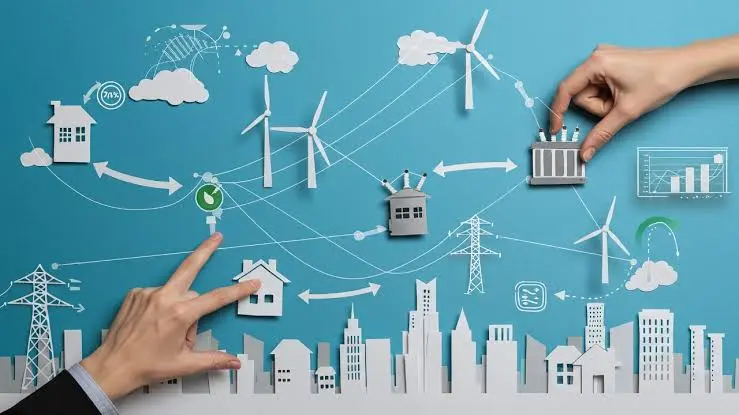
The growing popularity of renewable energy systems, energy-efficient devices, smart grids, and advanced storage technologies has transformed how energy is produced, distributed, and consumed. These technologies help reduce greenhouse gas emissions, improve energy security, and create new economic opportunities. From solar panels on residential rooftops to large-scale wind farms and smart energy management systems, sustainable energy technology is changing the global energy landscape.
For beginners, understanding sustainable energy technology may seem complex due to the variety of technologies and technical terms involved. However, the basic concept is straightforward: generating and using energy in ways that can be maintained over the long term without exhausting natural resources or harming the environment. This guide explores the fundamentals of sustainable energy technology, explains its importance, provides a step-by-step overview of implementation, and discusses its benefits, risks, and future potential.
What is Sustainable Energy Technology?
Sustainable Energy Technology refers to the tools, systems, and innovations used to generate, store, distribute, and utilize energy in environmentally responsible and economically viable ways. These technologies focus on reducing dependence on finite fossil fuels while promoting renewable and clean energy sources.
Examples of sustainable energy technologies include solar power systems, wind turbines, hydroelectric plants, geothermal energy systems, biomass energy solutions, battery storage systems, smart grids, and energy-efficient appliances. These technologies are designed to provide reliable energy while minimizing pollution and conserving natural resources.
The primary objective of sustainable energy technology is to ensure that current energy needs are met without compromising the ability of future generations to meet their own energy requirements. This approach aligns with global sustainability goals and supports long-term environmental protection.
Sustainable energy technology combines scientific innovation, engineering expertise, and environmental awareness. It helps communities transition toward cleaner energy systems while improving energy efficiency and reducing operational costs. As technological advancements continue, sustainable energy solutions are becoming more accessible and affordable worldwide.
Why is Sustainable Energy Technology Important?
The importance of sustainable energy technology extends beyond environmental conservation. Modern societies depend heavily on energy for transportation, manufacturing, communication, healthcare, and daily living. Traditional energy sources such as coal, oil, and natural gas contribute significantly to greenhouse gas emissions and environmental damage.
Sustainable energy technology addresses these challenges by promoting cleaner alternatives that reduce carbon emissions and support climate change mitigation efforts. Renewable energy sources can be replenished naturally, making them a more reliable long-term solution than finite fossil fuel reserves.
Another significant reason sustainable energy technology matters is energy security. Countries that invest in renewable energy can reduce dependence on imported fuels and improve resilience against energy price fluctuations. This strengthens economic stability and national security.
Sustainable energy technologies also contribute to economic growth by creating jobs in manufacturing, installation, maintenance, research, and development. As demand for clean energy continues to increase, new opportunities emerge across multiple industries. Additionally, improved energy efficiency helps businesses and households lower energy costs while reducing overall consumption.
Detailed Step-by-Step Guide
Step 1: Understand Energy Consumption Patterns
Before implementing sustainable energy solutions, it is important to evaluate current energy usage. Conducting an energy audit helps identify where energy is being consumed and where improvements can be made.
Energy audits reveal inefficiencies in lighting, heating, cooling, and equipment usage. Understanding consumption patterns provides a foundation for selecting the most appropriate sustainable technologies.
Step 2: Identify Suitable Renewable Energy Sources
Different locations have access to different renewable energy resources. Assessing local environmental conditions helps determine which technology is most effective.
Regions with abundant sunlight may benefit from solar energy systems, while windy areas may be ideal for wind power generation. Areas with geothermal activity or flowing water can utilize geothermal and hydroelectric technologies.
Step 3: Evaluate Financial Requirements
Implementing sustainable energy technology requires careful budgeting. Initial investments may include equipment, installation costs, permits, and maintenance planning.
Many governments offer incentives, tax credits, grants, and financing programs that reduce the financial burden of adopting renewable energy systems. Evaluating these opportunities can improve project affordability.
Step 4: Choose Appropriate Technology
Selecting the right technology depends on energy needs, available resources, budget, and long-term objectives.
Options may include solar photovoltaic panels, wind turbines, battery storage systems, energy-efficient appliances, smart thermostats, or hybrid renewable energy systems. Careful comparison ensures the chosen solution meets performance expectations.
Step 5: Design the Energy System
System design involves determining equipment specifications, capacity requirements, and integration methods.
Professional engineers and energy consultants often assist with designing efficient systems that maximize energy production and minimize waste. Proper design improves reliability and return on investment.
Step 6: Install Equipment
Installation should be performed according to safety standards and manufacturer guidelines.
Qualified technicians ensure that equipment is installed correctly and operates efficiently. Proper installation reduces the risk of system failures and enhances long-term performance.
Step 7: Implement Energy Storage Solutions
Renewable energy sources can be intermittent. Solar panels generate electricity only during daylight hours, and wind turbines depend on wind conditions.
Battery storage systems help store excess energy for later use, improving reliability and ensuring continuous energy availability during periods of low generation.
Step 8: Integrate Smart Energy Management
Smart energy management systems monitor and control energy consumption in real time.
These technologies optimize energy usage, identify inefficiencies, and automate energy-saving actions. Smart systems improve overall performance and reduce operational costs.
Step 9: Monitor Performance
Regular monitoring ensures that sustainable energy systems operate at peak efficiency.
Performance data helps identify maintenance needs, equipment issues, and opportunities for improvement. Monitoring also allows users to measure energy savings and environmental benefits.
Step 10: Maintain and Upgrade Systems
Routine maintenance extends equipment lifespan and maintains optimal performance.
As technology advances, upgrading components can improve efficiency and increase energy production. Continuous improvement helps maximize long-term sustainability benefits.
Benefits of Sustainable Energy Technology
• Reduces greenhouse gas emissions
• Minimizes environmental pollution
• Supports climate change mitigation
• Enhances energy security
• Reduces dependence on fossil fuels
• Creates new employment opportunities
• Promotes economic development
• Lowers long-term energy costs
• Improves energy efficiency
• Supports sustainable development goals
• Encourages technological innovation
• Increases energy independence
• Provides renewable and reliable energy sources
• Improves public health through cleaner air
• Strengthens infrastructure resilience
Disadvantages / Risks
• High initial installation costs
• Intermittent energy generation from some renewable sources
• Dependence on weather conditions
• Energy storage systems can be expensive
• Land use requirements for large projects
• Potential environmental impacts if poorly managed
• Infrastructure upgrades may be necessary
• Technical expertise is often required
• Long payback periods for some projects
• Equipment maintenance and replacement costs
• Grid integration challenges
• Resource availability varies by location
Common Mistakes to Avoid
One common mistake is implementing sustainable energy technology without conducting a proper energy assessment. Without understanding energy consumption patterns, users may invest in systems that do not adequately meet their needs.
Another frequent error is focusing solely on installation costs rather than long-term savings. Sustainable energy technologies often provide substantial financial benefits over time, making lifecycle cost analysis essential.
Choosing inappropriate technology for local conditions can also reduce effectiveness. For example, installing wind turbines in areas with limited wind resources may result in poor performance and lower returns.
Neglecting maintenance is another major issue. Renewable energy systems require periodic inspections and servicing to maintain efficiency and reliability. Failure to perform maintenance can shorten equipment lifespan and increase operational costs.
Many users also underestimate the importance of energy storage and smart energy management systems. These components play a critical role in optimizing energy use and improving system performance.
FAQs
1. What is the main goal of sustainable energy technology?
The main goal is to provide reliable energy while minimizing environmental impact and preserving natural resources for future generations. It focuses on clean energy generation, energy efficiency, and long-term sustainability.
2. What are the most common types of sustainable energy technology?
Common technologies include solar power systems, wind turbines, hydroelectric plants, geothermal systems, biomass energy facilities, battery storage solutions, and smart energy management systems.
3. Is sustainable energy technology expensive?
Initial costs can be higher than traditional energy systems. However, long-term savings from reduced energy bills, government incentives, and lower maintenance costs often make sustainable energy technologies financially beneficial.
4. Can sustainable energy completely replace fossil fuels?
While sustainable energy has the potential to replace a significant portion of fossil fuel use, achieving a complete transition requires advancements in energy storage, infrastructure, and grid management technologies.
5. How does sustainable energy technology help the environment?
It reduces greenhouse gas emissions, lowers air pollution, conserves natural resources, and decreases reliance on environmentally harmful fossil fuels.
6. What role do batteries play in sustainable energy systems?
Battery storage systems store excess energy generated from renewable sources. They provide backup power and help maintain a stable energy supply during periods of low renewable energy generation.
7. Are sustainable energy technologies suitable for homes?
Yes. Homeowners can use solar panels, energy-efficient appliances, smart thermostats, battery storage systems, and other technologies to reduce energy consumption and lower utility costs.
8. What industries benefit most from sustainable energy technology?
Manufacturing, transportation, agriculture, healthcare, construction, and information technology industries all benefit from cleaner, more efficient, and reliable energy solutions.
Expert Tips & Bonus Points
Start with energy efficiency improvements before investing in large renewable energy systems. Reducing energy consumption often provides the fastest return on investment.
Combine multiple renewable energy sources when possible. Hybrid systems can improve reliability and reduce dependence on a single energy source.
Take advantage of government incentives, grants, and financing programs to lower implementation costs. Research available programs before beginning any project.
Invest in quality equipment from reputable manufacturers. Higher-quality systems generally offer better performance, longer lifespans, and lower maintenance requirements.
Use smart energy monitoring tools to track consumption patterns and identify opportunities for further efficiency improvements.
Plan for future expansion. Energy needs often grow over time, and designing scalable systems can reduce future upgrade costs.
Consider energy storage solutions as part of the initial system design rather than adding them later. Integrated planning often results in better performance and cost efficiency.
Stay informed about emerging technologies. Innovations in battery storage, hydrogen energy, smart grids, and energy management continue to improve the effectiveness of sustainable energy solutions.
Conclusion
Sustainable Energy Technology represents one of the most promising solutions to modern energy and environmental challenges. By utilizing renewable resources, improving energy efficiency, and reducing dependence on fossil fuels, these technologies help create a cleaner, healthier, and more sustainable future. As concerns about climate change and resource depletion continue to grow, the adoption of sustainable energy solutions becomes increasingly important for individuals, businesses, and governments alike.
The journey toward sustainable energy begins with understanding current energy consumption and identifying opportunities for improvement. Through careful planning, appropriate technology selection, proper installation, and ongoing maintenance, users can achieve significant environmental and economic benefits. Sustainable energy technologies not only reduce carbon emissions but also improve energy security, create employment opportunities, and support long-term economic development.
Although challenges such as upfront costs, storage limitations, and infrastructure requirements exist, ongoing innovation continues to make sustainable energy solutions more accessible and efficient. Advances in solar energy, wind power, battery storage, smart grids, and emerging technologies are accelerating the global transition toward cleaner energy systems.
For beginners, embracing sustainable energy technology is an investment in both personal savings and environmental responsibility. By adopting these solutions today, individuals and organizations can contribute to a more resilient, energy-efficient, and sustainable world for future generations.