Introduction
Energy efficiency is one of the simplest and most effective ways to reduce household expenses while helping the environment. Whether you live in a small apartment or a large home, improving the way you use energy can lead to significant savings over time. Many people believe that reducing energy consumption requires expensive upgrades or major lifestyle changes. However, the reality is that even small adjustments can make a noticeable difference.
As energy prices continue to rise around the world, homeowners and renters are looking for practical solutions to lower their monthly utility bills. Energy-efficient practices not only help reduce electricity and fuel costs but also improve comfort, increase the lifespan of appliances, and minimize environmental impact. By understanding how energy is used and where waste occurs, anyone can take meaningful steps toward greater efficiency.
This comprehensive guide explores everything beginners need to know about energy efficiency tips. You will learn what energy efficiency means, why it matters, practical methods for reducing energy consumption, common mistakes to avoid, and expert recommendations for maximizing savings. Whether your goal is to cut costs, protect natural resources, or create a more comfortable living environment, these energy efficiency strategies will help you achieve lasting results.
What is Energy Efficiency Tips?
Energy efficiency refers to using less energy to perform the same task without sacrificing comfort, convenience, or productivity. It involves reducing energy waste by optimizing how appliances, lighting systems, heating equipment, cooling systems, and other household devices operate.
Energy efficiency tips are practical recommendations designed to help individuals and businesses lower their energy consumption. These tips may include upgrading to energy-efficient appliances, improving insulation, using smart thermostats, turning off unused devices, and adopting better energy management habits. The goal is to achieve the same results while using fewer resources.
Energy efficiency is different from energy conservation. Conservation often means reducing usage by changing behavior, such as turning off lights when leaving a room. Efficiency focuses on improving technology and systems so they require less energy to achieve the same outcome. Together, these approaches create substantial savings and contribute to a more sustainable future.
Why is Energy Efficiency Tips Important?
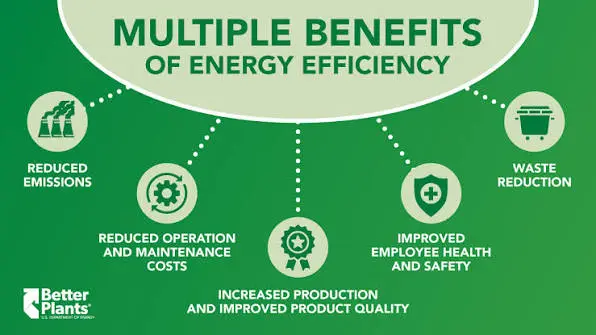
Energy efficiency plays a critical role in reducing energy costs and improving overall quality of life. As global energy demand increases, efficient energy use becomes essential for managing resources responsibly and reducing environmental impact.
One of the most immediate benefits is financial savings. Households that implement energy-efficient practices often see lower utility bills. Over time, these savings can offset the costs of upgrades such as efficient appliances or improved insulation. Additionally, efficient systems typically experience less wear and tear, reducing maintenance expenses and extending equipment lifespan.
Energy efficiency also contributes to environmental protection by lowering greenhouse gas emissions. When less energy is consumed, power plants burn fewer fossil fuels, reducing pollution and helping combat climate change. Communities benefit from improved air quality and reduced strain on energy infrastructure.
Furthermore, energy-efficient homes are often more comfortable. Proper insulation, efficient heating systems, and modern cooling technologies help maintain consistent indoor temperatures throughout the year. This creates a healthier and more pleasant living environment while supporting long-term sustainability goals.
Detailed Step-by-Step Guide
Step 1: Conduct an Energy Audit
An energy audit helps identify areas where energy is being wasted. Walk through your home and examine lighting, appliances, insulation, windows, doors, and HVAC systems. Review utility bills to understand consumption patterns and identify opportunities for improvement.
Professional energy audits can provide detailed assessments, but homeowners can perform basic inspections themselves. Focus on areas where heat escapes, devices remain plugged in unnecessarily, and older appliances consume excessive electricity.
Step 2: Upgrade to LED Lighting
Traditional incandescent bulbs consume significantly more electricity than LED bulbs. Replacing outdated lighting with LED alternatives is one of the fastest ways to improve energy efficiency.
LED lights use less power, generate less heat, and last much longer than conventional bulbs. Although the initial purchase cost may be slightly higher, long-term savings make LEDs a smart investment for any home.
Step 3: Improve Home Insulation
Poor insulation allows heated or cooled air to escape, forcing HVAC systems to work harder. Proper insulation helps maintain indoor temperatures and reduces energy consumption.
Inspect attic spaces, walls, floors, and crawl spaces for insulation quality. Seal gaps around doors and windows using weather stripping or caulking to prevent drafts and improve energy retention.
Step 4: Use Energy-Efficient Appliances
Older appliances often consume far more energy than modern models. Consider replacing outdated refrigerators, washing machines, dishwashers, and air conditioners with energy-efficient alternatives.
When shopping for new appliances, compare energy ratings and annual operating costs. Efficient models may cost more initially but deliver substantial savings over their lifespan.
Step 5: Optimize Heating and Cooling Systems
Heating and cooling account for a significant portion of household energy use. Regular maintenance helps systems operate efficiently and reduces unnecessary energy consumption.
Replace air filters regularly, clean vents, and schedule professional inspections when needed. Installing a programmable thermostat allows automatic temperature adjustments based on daily schedules, minimizing wasted energy.
Step 6: Reduce Standby Power Consumption
Many electronic devices continue using electricity even when turned off. This phenomenon, known as phantom or standby power, can increase energy bills over time.
Unplug devices when not in use or connect them to smart power strips that automatically cut power when equipment is inactive. Common sources of standby power include televisions, gaming consoles, chargers, and computer equipment.
Step 7: Use Natural Light Whenever Possible
Maximizing natural daylight reduces dependence on artificial lighting during daytime hours. Open curtains and blinds to allow sunlight into living spaces.
Strategic placement of mirrors can help distribute natural light throughout rooms, reducing the need for additional lighting and creating a brighter environment.
Step 8: Adjust Water Heating Practices
Water heating represents a major energy expense in many households. Lowering water heater temperatures and using hot water efficiently can significantly reduce consumption.
Install low-flow showerheads, repair leaking faucets, and wash clothes using cold water whenever possible. Insulating water heaters and hot water pipes further improves efficiency.
Step 9: Maintain Appliances Properly
Regular maintenance ensures appliances operate at peak efficiency. Dirty filters, clogged vents, and neglected components force equipment to consume more energy.
Follow manufacturer maintenance recommendations and address minor issues before they become major problems. Proper care extends appliance lifespan and reduces operating costs.
Step 10: Adopt Energy-Conscious Habits
Daily habits influence overall energy consumption. Simple actions such as turning off lights, shutting down computers, and using appliances during off-peak hours can produce meaningful savings.
Encourage all household members to participate in energy-saving practices. Consistent habits create long-term reductions in energy use and utility expenses.
Benefits of Energy Efficiency Tips
- Lower monthly utility bills
- Reduced energy consumption
- Increased home comfort
- Longer appliance lifespan
- Lower maintenance costs
- Reduced greenhouse gas emissions
- Better indoor temperature control
- Improved property value
- Enhanced environmental sustainability
- Reduced dependence on fossil fuels
- Greater energy security
- Better overall resource management
- Increased equipment performance
- Improved air quality
- Long-term financial savings
Disadvantages / Risks
- Initial investment costs for upgrades
- Some energy-efficient products may have higher purchase prices
- Improper installation can reduce effectiveness
- Savings may take time to become noticeable
- Certain upgrades require professional assistance
- Technology may become outdated over time
- Homeowners may underestimate maintenance needs
- Poor-quality products may fail to deliver expected results
- Incorrect energy audits can lead to ineffective improvements
- Behavioral changes may require ongoing commitment
Common Mistakes to Avoid
Many people make the mistake of focusing only on large upgrades while ignoring simple daily habits. Small actions such as turning off unused lights and unplugging idle electronics can contribute significantly to energy savings.
Another common error is purchasing energy-efficient equipment without considering proper installation. Even the most advanced appliances cannot perform efficiently if installed incorrectly. Always follow manufacturer guidelines and seek professional assistance when necessary.
Ignoring maintenance is another frequent problem. Dirty air filters, neglected HVAC systems, and poorly maintained appliances consume more energy and experience reduced performance. Regular upkeep ensures optimal efficiency and prolongs equipment lifespan.
Some homeowners also overlook insulation and air sealing. While upgrading appliances receives significant attention, heat loss through windows, doors, and poorly insulated areas can negate many efficiency gains. Addressing these issues should be a priority.
Finally, many individuals expect immediate dramatic savings. Energy efficiency often produces cumulative benefits over time. Consistency and patience are essential for achieving long-term results.
FAQs
1. What is the easiest way to improve energy efficiency at home?
Replacing traditional bulbs with LED lighting is one of the easiest and most cost-effective improvements. LEDs consume less electricity and last much longer than conventional bulbs.
2. How much money can energy efficiency save?
Savings vary depending on household size, energy usage, and implemented measures. Many households reduce utility costs by 10% to 30% through energy-efficient practices and upgrades.
3. Are energy-efficient appliances worth the investment?
Yes. Although they may have higher upfront costs, energy-efficient appliances typically reduce electricity consumption and operating expenses over their lifespan.
4. What causes high energy bills?
Common causes include inefficient appliances, poor insulation, outdated HVAC systems, standby power consumption, and excessive heating or cooling usage.
5. Does insulation really improve energy efficiency?
Absolutely. Proper insulation reduces heat transfer, helping maintain comfortable indoor temperatures while lowering heating and cooling costs.
6. What is phantom power?
Phantom power refers to electricity consumed by devices that remain plugged in even when turned off. Electronics, chargers, and entertainment systems are common sources.
7. How often should HVAC systems be maintained?
Most experts recommend inspecting HVAC systems annually and replacing air filters every one to three months, depending on usage and environmental conditions.
8. Can renters improve energy efficiency?
Yes. Renters can use LED bulbs, smart power strips, weather stripping, energy-efficient habits, and portable solutions that do not require permanent modifications.
Expert Tips & Bonus Points
Start with low-cost improvements before investing in major upgrades. Simple changes often provide immediate benefits and help identify areas where larger investments may be worthwhile.
Use smart thermostats to automate temperature settings based on occupancy patterns. Automated adjustments prevent unnecessary energy consumption while maintaining comfort.
Monitor energy usage regularly through utility statements or smart monitoring devices. Tracking consumption helps identify trends and evaluate the effectiveness of efficiency measures.
Consider landscaping strategies that provide natural shade around the home. Trees and shrubs can reduce cooling costs during warmer months while enhancing property aesthetics.
Wash full loads of laundry and dishes whenever possible. Running appliances at full capacity maximizes efficiency and minimizes wasted energy.
Choose energy-efficient window coverings that help regulate indoor temperatures throughout the year. Thermal curtains and blinds can improve comfort while reducing HVAC workload.
Take advantage of natural ventilation when weather conditions permit. Opening windows during cooler periods can reduce reliance on air conditioning systems.
Educate family members about energy-saving habits. Collective participation increases the effectiveness of efficiency initiatives and creates lasting behavioral improvements.
Conclusion
Energy efficiency is a practical and valuable approach to reducing energy consumption, lowering utility costs, and creating a more sustainable lifestyle. By understanding where energy is used and identifying opportunities to reduce waste, homeowners and renters can make meaningful improvements without sacrificing comfort or convenience. Even small changes, such as switching to LED lighting, unplugging unused devices, and maintaining appliances properly, can generate significant long-term savings.
The benefits of energy efficiency extend beyond financial gains. Efficient homes contribute to environmental protection by reducing greenhouse gas emissions and conserving natural resources. They also provide greater comfort through improved temperature control and more reliable equipment performance. While some upgrades may require initial investments, the long-term rewards often outweigh the costs.
Success with energy efficiency comes from combining smart technology, proper maintenance, and consistent habits. Conducting energy audits, improving insulation, optimizing heating and cooling systems, and adopting energy-conscious behaviors all contribute to lasting results. By implementing the strategies outlined in this guide, beginners can confidently take control of their energy use, save money, and build a more efficient and environmentally responsible future.