Introduction
Energy consumption has become one of the most important concerns for homeowners, businesses, and governments around the world. Rising electricity prices, increasing environmental challenges, and growing demand for power have encouraged people to look for smarter ways to use energy. This is where energy saving solutions play a vital role. These solutions help reduce energy waste, lower utility bills, and support a cleaner environment without sacrificing comfort or productivity.
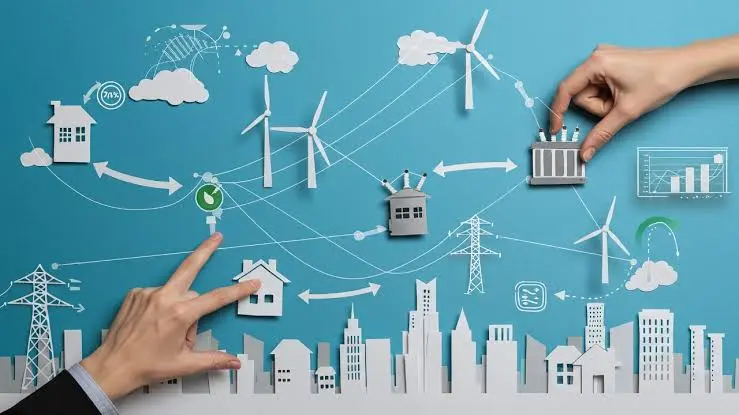
Whether you live in a small apartment, a large house, or manage a commercial facility, implementing energy-saving practices can make a significant difference. Modern technology has made it easier than ever to monitor energy usage and identify areas where improvements can be made. From switching to LED lighting and energy-efficient appliances to installing smart thermostats and renewable energy systems, there are numerous ways to reduce energy consumption.
For beginners, understanding energy saving solutions may seem overwhelming at first. However, most energy-saving measures are simple, affordable, and highly effective. Even small changes in daily habits can lead to noticeable savings over time.
This comprehensive guide explains everything you need to know about energy saving solutions, including their importance, implementation strategies, benefits, challenges, common mistakes, expert tips, and frequently asked questions. By the end of this article, you will have a clear understanding of how to improve energy efficiency and reduce your overall energy costs.
What is Energy Saving Solutions?
Energy saving solutions refer to methods, technologies, and practices designed to reduce energy consumption while maintaining the same level of performance, comfort, or productivity. These solutions aim to eliminate unnecessary energy waste and improve efficiency in homes, offices, industries, and public facilities.
Energy saving solutions can involve simple behavioral changes, such as turning off unused lights, or advanced technologies like smart energy management systems. Their primary goal is to use less energy to accomplish the same tasks, resulting in lower electricity bills and reduced environmental impact.
In modern society, energy efficiency has become increasingly important because global energy demand continues to rise. By implementing energy-saving measures, individuals and organizations can conserve resources, reduce greenhouse gas emissions, and contribute to sustainable development. Whether through improved insulation, efficient appliances, renewable energy integration, or automated control systems, energy saving solutions provide practical ways to maximize energy performance while minimizing waste.
Why is Energy Saving Solutions Important?
Energy saving solutions are important because they address both economic and environmental challenges. As electricity prices continue to increase, households and businesses face higher operating costs. Implementing energy-efficient practices helps reduce these expenses and improves financial stability over time.
Another major reason for adopting energy saving solutions is environmental protection. Traditional energy production often relies on fossil fuels, which contribute to air pollution and climate change. Reducing energy consumption decreases the demand for these resources, helping lower carbon emissions and protect natural ecosystems.
Energy efficiency also strengthens energy security. When energy demand is reduced, power grids experience less strain, minimizing the risk of shortages and outages. Additionally, energy-saving measures can improve comfort, increase property value, and enhance equipment lifespan. For businesses, energy efficiency often leads to better operational performance and a stronger reputation among environmentally conscious customers. These combined advantages make energy saving solutions a crucial part of modern living and sustainable development.
Detailed Step-by-Step Guide
Step 1: Conduct an Energy Assessment
The first step is understanding how much energy you currently use. Review electricity bills from the past six to twelve months to identify usage patterns and seasonal variations.
An energy audit can help pinpoint areas where energy is being wasted. Many utility companies offer professional assessments that identify inefficient appliances, poor insulation, and other opportunities for improvement.
Step 2: Replace Traditional Lighting with LEDs
Lighting accounts for a significant portion of energy consumption in many homes and businesses. Replacing incandescent bulbs with LED lighting can dramatically reduce electricity usage.
LED bulbs consume less energy, produce less heat, and last much longer than traditional bulbs. This makes them one of the most cost-effective energy-saving investments available.
Step 3: Upgrade to Energy-Efficient Appliances
Older appliances often consume more electricity than modern energy-efficient models. Refrigerators, washing machines, air conditioners, and water heaters can significantly impact energy bills.
When purchasing new appliances, look for energy efficiency certifications and ratings. Efficient appliances may cost more initially but provide substantial long-term savings.
Step 4: Improve Insulation
Proper insulation helps maintain indoor temperatures and reduces the workload on heating and cooling systems. Poor insulation allows heat to escape during winter and enter during summer.
Adding insulation to walls, roofs, floors, and attics can improve energy efficiency and enhance indoor comfort throughout the year.
Step 5: Seal Air Leaks
Small gaps around windows, doors, and vents can lead to considerable energy loss. Sealing these leaks prevents conditioned air from escaping and reduces heating and cooling costs.
Weather stripping, caulking, and door sweeps are affordable solutions that can deliver immediate energy savings.
Step 6: Install Smart Thermostats
Smart thermostats automatically adjust temperatures based on occupancy and schedules. They help optimize heating and cooling systems without requiring constant manual adjustments.
These devices can learn user preferences and provide detailed energy usage reports, enabling more efficient temperature management.
Step 7: Optimize Heating and Cooling Systems
Heating and cooling systems are often the largest consumers of energy in a building. Regular maintenance ensures they operate efficiently and effectively.
Replace air filters regularly, clean vents, and schedule professional inspections to maintain peak performance and prevent unnecessary energy consumption.
Step 8: Use Natural Light
Maximizing natural daylight reduces the need for artificial lighting during daytime hours. Open curtains and blinds to allow sunlight into living and working spaces.
Strategic window placement and reflective surfaces can further enhance natural illumination and reduce electricity use.
Step 9: Implement Smart Power Management
Many electronic devices continue consuming electricity even when turned off. This phenomenon is known as standby power consumption.
Using smart power strips can automatically disconnect unused devices and eliminate unnecessary energy waste.
Step 10: Invest in Renewable Energy
Solar panels and other renewable energy technologies can significantly reduce dependence on traditional electricity sources. While installation costs can be substantial, long-term savings are often considerable.
Renewable energy systems also help reduce carbon emissions and increase energy independence.
Step 11: Monitor Energy Consumption
Energy monitoring devices provide real-time insights into electricity usage. They help identify inefficient equipment and encourage energy-conscious behavior.
Regular monitoring allows users to evaluate the effectiveness of implemented energy-saving measures and make additional improvements when necessary.
Step 12: Encourage Energy-Efficient Habits
Behavioral changes can have a major impact on overall energy consumption. Turning off lights, unplugging chargers, and using appliances responsibly contribute to long-term savings.
Educating family members or employees about energy conservation helps create a culture of efficiency and sustainability.
Benefits of Energy Saving Solutions
- Lower electricity and utility bills
- Reduced environmental impact
- Decreased carbon emissions
- Improved energy efficiency
- Enhanced indoor comfort
- Longer appliance lifespan
- Reduced maintenance costs
- Better energy security
- Increased property value
- Improved business profitability
- Reduced strain on power grids
- Support for sustainable development
- Greater energy independence
- Higher operational efficiency
- Positive environmental reputation
Disadvantages / Risks
- Initial investment costs can be high
- Some technologies require professional installation
- Payback periods may vary depending on usage
- Improper installation can reduce effectiveness
- Energy audits may involve additional expenses
- Renewable energy systems require adequate space
- Certain upgrades may need ongoing maintenance
- Technological learning curves for some users
- Older buildings may require extensive modifications
- Savings may take time to become noticeable
Common Mistakes to Avoid
One of the most common mistakes is focusing only on major upgrades while ignoring simple behavioral changes. Small actions such as turning off unused devices and adjusting thermostat settings can produce meaningful savings.
Another mistake is purchasing energy-efficient equipment without considering actual usage requirements. Oversized systems often consume more energy than necessary. Proper sizing and planning are essential for maximizing efficiency.
Many people also neglect regular maintenance. Dirty filters, blocked vents, and poorly maintained equipment can significantly reduce performance and increase energy consumption.
Ignoring insulation and air sealing is another costly error. Even the most efficient heating and cooling systems struggle to perform effectively when conditioned air continuously escapes through leaks.
Finally, failing to monitor energy usage can make it difficult to identify problems and evaluate improvement efforts. Regular tracking helps ensure energy-saving strategies remain effective over time.
FAQs
1. What are energy saving solutions?
Energy saving solutions are methods, technologies, and practices designed to reduce energy consumption while maintaining the same level of comfort, productivity, or performance.
2. How can I reduce my electricity bill quickly?
Switching to LED lighting, unplugging unused devices, adjusting thermostat settings, and sealing air leaks are among the fastest ways to lower electricity costs.
3. Are energy-efficient appliances worth the investment?
Yes. Although they often have higher upfront costs, energy-efficient appliances typically reduce electricity consumption and generate long-term savings.
4. What is an energy audit?
An energy audit is an assessment that identifies areas where energy is being wasted and recommends improvements to increase efficiency and reduce costs.
5. How do smart thermostats save energy?
Smart thermostats automatically adjust temperatures based on occupancy patterns and schedules, reducing unnecessary heating and cooling expenses.
6. Is solar energy considered an energy saving solution?
Yes. Solar energy reduces reliance on traditional electricity sources and can significantly lower long-term energy costs while supporting environmental sustainability.
7. How much money can energy-saving measures save?
Savings vary depending on energy usage, building size, and implemented solutions. Many households and businesses experience noticeable reductions in utility bills after adopting energy-efficient practices.
8. Can small energy-saving actions make a difference?
Absolutely. Consistent habits such as turning off lights, unplugging devices, and using efficient appliances can collectively result in substantial energy savings over time.
Expert Tips & Bonus Points
Start with low-cost improvements before investing in expensive upgrades. Simple changes often provide immediate savings and help build momentum for larger projects.
Create a monthly energy consumption tracking system to identify trends and measure progress. Consistent monitoring makes it easier to detect inefficiencies and optimize performance.
Consider combining multiple energy-saving strategies rather than relying on a single solution. A comprehensive approach typically delivers the greatest results.
Take advantage of natural ventilation whenever weather conditions permit. Reducing dependence on air conditioning can significantly lower electricity consumption.
Use programmable schedules for lighting, heating, and cooling systems to ensure energy is only used when needed.
Educate everyone in your household or workplace about energy conservation practices. Collective participation increases the effectiveness of energy-saving initiatives.
Regularly review utility bills and compare them with previous periods to identify unusual increases that may indicate inefficiencies or equipment problems.
Invest in long-term efficiency improvements rather than focusing solely on short-term savings. Sustainable solutions provide ongoing financial and environmental benefits.
Conclusion
Energy saving solutions are no longer optional considerations—they have become essential strategies for reducing costs, improving efficiency, and supporting environmental sustainability. Whether through simple habit changes, efficient appliances, improved insulation, smart technologies, or renewable energy systems, there are countless ways to reduce energy consumption without compromising comfort or productivity.
For beginners, the key is to start with manageable improvements and gradually expand energy-saving efforts over time. Conducting an energy assessment, upgrading lighting, maintaining equipment, and monitoring consumption can provide immediate benefits while laying the foundation for larger efficiency projects. These measures not only lower utility bills but also contribute to a healthier environment by reducing greenhouse gas emissions and conserving valuable natural resources.
Although some energy-saving solutions require initial investments, the long-term financial rewards often outweigh the upfront costs. Additionally, improved energy efficiency enhances property value, increases system reliability, and supports sustainable living practices.
As global energy demand continues to grow, adopting energy saving solutions becomes increasingly important for individuals, families, businesses, and communities. By making informed decisions and embracing efficient technologies, anyone can reduce energy waste, save money, and contribute to a more sustainable future. The journey toward energy efficiency begins with small steps, but the impact can be significant and long-lasting.