Introduction
Residential electrical wiring is one of the most important systems in any home. It provides power to lights, appliances, outlets, heating systems, cooling equipment, and electronic devices. Without a properly installed electrical wiring system, modern homes would not function efficiently or safely. Understanding the basics of residential electrical wiring helps homeowners make informed decisions, communicate effectively with electricians, and recognize potential electrical hazards before they become serious problems.
For beginners, electrical wiring may appear complicated because it involves numerous wires, circuits, switches, outlets, and safety regulations. However, learning the fundamental concepts can make the process much easier to understand. Residential wiring follows specific standards and practices designed to ensure safety, reliability, and energy efficiency. Every wire, breaker, and connection serves a particular purpose within the electrical system.
Whether you are planning a new home construction project, renovating an existing property, or simply wanting to understand how electricity flows throughout your house, this guide covers everything you need to know. From understanding basic electrical components to learning installation steps, safety precautions, common mistakes, benefits, and expert recommendations, this comprehensive guide provides valuable information for beginners seeking a strong foundation in residential electrical wiring.
What is Residential Electrical Wiring?
Residential electrical wiring refers to the network of electrical conductors, cables, devices, and components installed within a home to distribute electricity safely and efficiently. This system connects the utility power supply to various electrical fixtures and appliances throughout the house.
The wiring system consists of several essential components, including electrical panels, circuit breakers, wires, outlets, switches, junction boxes, and grounding systems. Together, these elements create a structured network that delivers electrical power where it is needed while protecting occupants from electrical hazards.
Modern residential wiring follows national and local electrical codes to ensure safety and functionality. Different wire sizes and circuit types are used depending on the electrical load requirements. For example, lighting circuits typically use lighter-gauge wiring than circuits designed for large appliances such as air conditioners, ovens, or water heaters.
Residential wiring systems are designed to provide consistent power distribution while minimizing the risk of electrical shocks, short circuits, overloads, and fires. Proper installation and maintenance are crucial to ensuring long-term performance and safety.
Why is Residential Electrical Wiring Important?
Residential electrical wiring plays a critical role in the safety, comfort, and functionality of modern homes. It serves as the backbone of the home's electrical infrastructure, ensuring that electricity reaches all necessary locations efficiently and safely.
A properly designed wiring system reduces the risk of electrical fires, power failures, equipment damage, and personal injury. Since electricity powers nearly every aspect of daily life, from lighting and communication devices to kitchen appliances and security systems, reliable wiring is essential for uninterrupted operation.
Electrical wiring also supports energy efficiency. Correct wire sizing, circuit planning, and grounding practices help reduce energy losses and improve system performance. Modern wiring systems can accommodate growing electrical demands, allowing homeowners to add new appliances, smart home devices, and technology upgrades without compromising safety.
In addition, compliance with electrical codes helps maintain property value and ensures that homes meet legal safety requirements. Proper residential wiring provides peace of mind by creating a safe and dependable environment for occupants.
Detailed Step-by-Step Guide
Understanding Basic Electrical Components
Before beginning any wiring project, it is important to understand the primary components involved in a residential electrical system.
The electrical meter measures electricity consumption from the utility company. The main service panel distributes electricity to individual circuits throughout the home. Circuit breakers protect circuits from overloads and short circuits. Wires carry electrical current, while outlets and switches provide access and control points for electrical devices.
Grounding systems help prevent electrical shocks by directing fault currents safely into the earth.
Planning the Electrical Layout
The first step in residential wiring is creating a detailed electrical plan.
Identify all rooms, lighting fixtures, switches, outlets, appliances, and specialized equipment. Determine where circuits will be required and estimate electrical loads. This planning stage helps prevent overloaded circuits and ensures adequate power distribution throughout the home.
Careful planning also makes future upgrades easier and helps ensure compliance with electrical codes.
Selecting the Appropriate Wire Types
Different applications require different wire sizes and types.
Most lighting circuits use 14-gauge wire with 15-amp breakers. General-purpose outlet circuits often use 12-gauge wire with 20-amp breakers. Larger appliances may require heavier wire gauges depending on their power requirements.
Selecting the correct wire size prevents overheating and improves system safety.
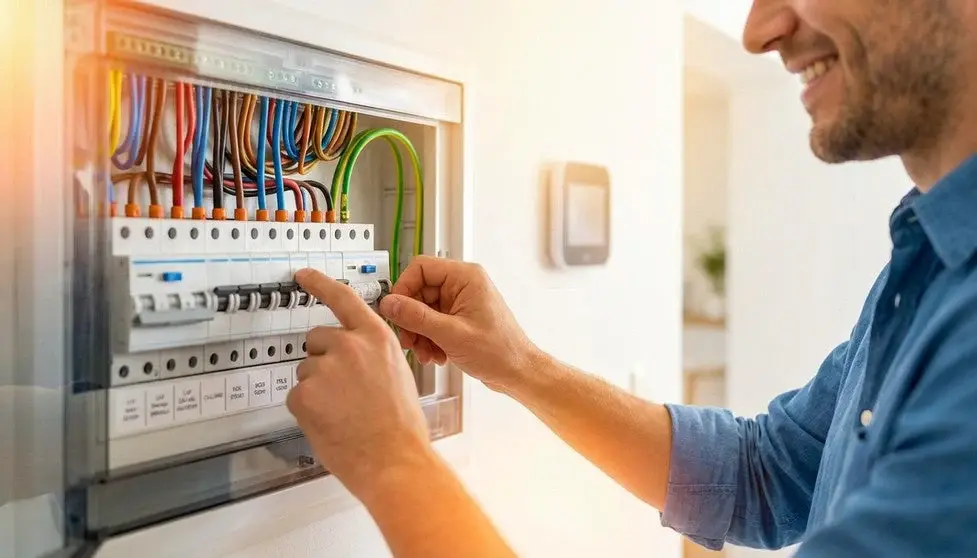
Installing the Electrical Panel
The electrical panel serves as the central control point for the home's electrical system.
The panel is typically installed in an accessible location such as a utility room, basement, or garage. Circuit breakers are installed within the panel to protect individual circuits.
Proper panel installation requires compliance with local electrical regulations and adequate clearance for maintenance access.
Running Electrical Cables
Once the layout is finalized, electrical cables are routed through walls, ceilings, and floors.
Drilling holes through framing members allows wires to pass between rooms. Cables should be secured properly using approved fasteners and protective devices. Care must be taken to avoid damaging cable insulation during installation.
Organized cable routing improves safety and simplifies future troubleshooting.
Installing Electrical Boxes
Electrical boxes provide secure mounting locations for outlets, switches, and fixtures.
Boxes must be installed at appropriate heights and locations according to building codes. Each box should have sufficient space to accommodate the number of wires and devices being installed.
Proper box installation helps protect connections and prevents accidental contact with live conductors.
Connecting Outlets and Switches
After wiring is routed, outlets and switches are connected.
The hot wire typically connects to brass-colored terminals, while the neutral wire connects to silver-colored terminals. Ground wires are connected to grounding terminals and metal boxes when required.
Accurate wiring ensures proper operation and minimizes electrical hazards.
Installing Lighting Fixtures
Lighting fixtures are connected to designated lighting circuits.
Fixtures should be securely mounted and connected according to manufacturer instructions. Proper support is especially important for heavy fixtures such as chandeliers and ceiling fans.
Correct installation ensures reliable performance and reduces the risk of loose connections.
Grounding the Electrical System
Grounding is one of the most important safety features in residential wiring.
Ground wires create a safe path for fault currents and help protect people from electrical shocks. Grounding electrodes and grounding conductors must be installed according to code requirements.
A properly grounded system significantly improves electrical safety.
Testing the System
After installation is complete, the entire system should be thoroughly tested.
Testing includes verifying circuit continuity, checking voltage levels, confirming grounding integrity, and ensuring proper operation of outlets, switches, and fixtures.
Any issues identified during testing should be corrected before the system is placed into regular use.
Benefits of Residential Electrical Wiring
- Provides safe distribution of electricity throughout the home.
- Supports lighting, appliances, and electronic devices.
- Enhances overall home functionality and convenience.
- Reduces the risk of electrical hazards when installed correctly.
- Improves energy efficiency and system performance.
- Supports modern smart home technologies.
- Increases property value and marketability.
- Enables future electrical upgrades and expansions.
- Ensures compliance with safety regulations.
- Enhances reliability and electrical system longevity.
Disadvantages / Risks
- Improper installation can cause electrical fires.
- Faulty wiring may lead to electric shock hazards.
- Wiring projects can be expensive for large homes.
- Electrical code violations may create legal issues.
- Incorrect wire sizing can cause overheating.
- Poor grounding increases safety risks.
- Hidden wiring faults may be difficult to detect.
- DIY installations without proper knowledge can be dangerous.
- Aging wiring systems may require costly upgrades.
- Water exposure can damage wiring and create hazards.
Common Mistakes to Avoid
One of the most common mistakes is using the wrong wire size for a circuit. Undersized wires can overheat and increase the risk of fire. Always match wire gauges to circuit breaker ratings and electrical load requirements.
Another frequent error is overloading circuits. Connecting too many devices to a single circuit can cause breaker trips, overheating, and equipment damage. Proper load calculations help prevent this issue.
Poor grounding practices can also create serious safety hazards. Every circuit should include proper grounding connections to protect against electrical faults and shocks.
Many beginners make the mistake of leaving loose wire connections. Loose connections generate heat, reduce efficiency, and increase fire risk. All connections should be secure and properly terminated.
Ignoring electrical codes is another significant problem. Local building regulations exist to protect occupants and ensure safe installations. Always follow applicable code requirements and obtain necessary permits.
Failure to test the completed system is a critical mistake. Thorough testing identifies hidden issues before they become dangerous or costly problems.
FAQs
1. What wire is commonly used in residential electrical wiring?
Non-metallic sheathed cable, often called NM cable or Romex, is commonly used in residential wiring. It contains insulated conductors and a grounding wire within a protective outer jacket.
2. How many outlets can be installed on one circuit?
The number depends on circuit capacity and expected load. A standard 15-amp or 20-amp circuit can typically support multiple outlets, but load calculations should be performed to avoid overloading.
3. Why is grounding important in residential wiring?
Grounding provides a safe path for fault currents and helps prevent electrical shocks, equipment damage, and fire hazards. It is a critical component of electrical safety.
4. Can homeowners perform their own electrical wiring?
Some jurisdictions allow limited homeowner electrical work, while others require licensed electricians. Even where permitted, proper knowledge, safety precautions, and code compliance are essential.
5. What causes circuit breakers to trip frequently?
Frequent breaker trips may result from overloaded circuits, short circuits, ground faults, damaged wiring, or faulty electrical devices. Identifying the root cause is important for safe operation.
6. How often should residential wiring be inspected?
Homes should undergo periodic electrical inspections, especially older properties. Inspections are also recommended during renovations, property purchases, and when electrical issues arise.
7. What is the difference between a hot wire and a neutral wire?
The hot wire carries electrical current from the power source to devices. The neutral wire returns current to the source, completing the electrical circuit.
8. When should old wiring be replaced?
Old wiring should be replaced when it shows signs of deterioration, frequent electrical problems, inadequate capacity, or when recommended by a qualified electrical inspector.
Expert Tips & Bonus Points
Always turn off power at the main breaker before working on any electrical circuit. Verifying that power is disconnected using a voltage tester adds an extra layer of safety.
Create a detailed wiring diagram before starting installation. Proper planning reduces mistakes and simplifies troubleshooting later.
Label all circuit breakers clearly within the electrical panel. Accurate labeling makes maintenance and emergency shutdown procedures much easier.
Use high-quality electrical components from reputable manufacturers. Quality materials generally provide better reliability and longer service life.
Install additional outlets during construction or renovation projects. Extra outlets improve convenience and reduce reliance on extension cords.
Consider future electrical needs when designing circuits. Modern homes continue to add electronic devices, smart systems, and energy-intensive equipment.
Keep electrical connections inside approved electrical boxes. Exposed connections increase the risk of accidental contact and fire hazards.
Schedule professional inspections when completing major electrical work. Expert evaluation helps identify potential safety concerns before they become serious issues.
Conclusion
Residential electrical wiring is the foundation of every modern home's electrical system. It enables the safe distribution of power to lighting, appliances, electronics, and essential household equipment. Understanding the principles of residential wiring helps homeowners appreciate how electricity flows throughout the home and why proper installation practices are so important.
A well-designed wiring system enhances safety, energy efficiency, reliability, and convenience. From planning electrical layouts and selecting appropriate wire sizes to installing outlets, switches, grounding systems, and circuit protection devices, every step plays a crucial role in overall system performance. Following established electrical codes and safety standards helps reduce the risk of electrical shocks, equipment damage, and fires.
While beginners can benefit from learning the basics of residential electrical wiring, complex installations should always be approached carefully and, when necessary, performed by qualified professionals. Regular inspections, proper maintenance, and attention to safety practices help ensure long-term system reliability.
By understanding common mistakes, recognizing potential hazards, and applying expert recommendations, homeowners can make informed decisions regarding their electrical systems. Whether building a new home, upgrading an existing property, or simply expanding electrical knowledge, mastering the fundamentals of residential electrical wiring provides valuable insight into one of the most important systems within any residence.