Introduction
Electrical circuit design is one of the most important skills in electrical and electronics engineering. Every electronic device, from a simple flashlight to a complex computer system, relies on a properly designed electrical circuit to function effectively. Understanding how electrical circuits are designed helps beginners learn how electricity flows, how components interact, and how reliable systems are created.
For beginners, electrical circuit design may seem complicated because it involves various components, symbols, calculations, and safety considerations. However, once the fundamental concepts are understood, designing basic circuits becomes much easier. The process involves identifying requirements, selecting suitable components, creating circuit diagrams, calculating electrical values, and testing the final design.
A well-designed circuit ensures safety, efficiency, reliability, and long-term performance. Poor circuit design can result in overheating, component failure, short circuits, and increased maintenance costs. Therefore, learning proper design techniques is essential for anyone interested in electronics, electrical systems, or engineering projects.
This comprehensive guide explains everything beginners need to know about electrical circuit design. You will learn the basic principles, importance, step-by-step design process, benefits, risks, common mistakes, frequently asked questions, and professional tips that can help you create efficient and reliable electrical circuits.
What is Electrical Circuit Design?
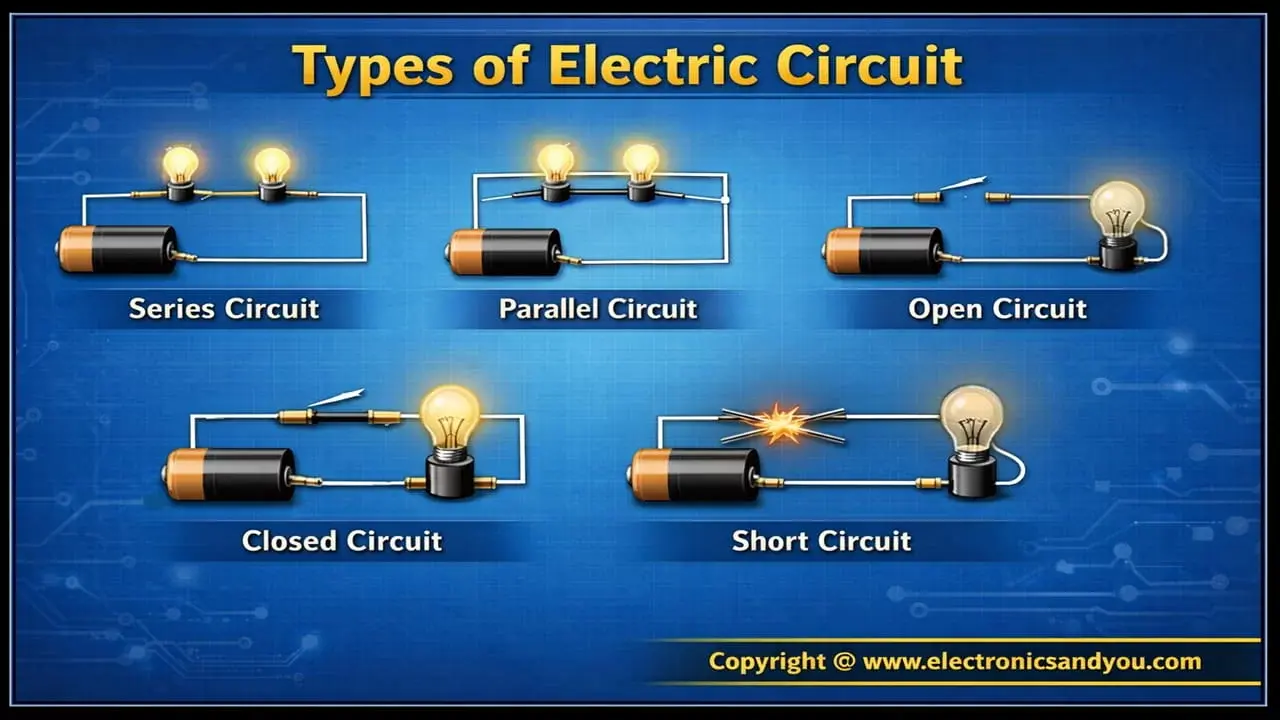
Electrical circuit design is the process of planning, creating, and testing electrical pathways that allow electricity to flow through various components to perform a specific function. These pathways connect components such as resistors, capacitors, switches, batteries, diodes, transistors, and integrated circuits.
The purpose of circuit design is to ensure that electrical energy moves safely and efficiently through the system while achieving the desired operation. Designers use circuit diagrams and schematics to represent the connections between components before building the actual circuit.
Electrical circuit design can range from simple household circuits to advanced industrial automation systems. Regardless of complexity, every design follows the same basic principles of current flow, voltage control, resistance management, and safety protection.
A successful circuit design balances performance, reliability, cost, energy efficiency, and safety. By understanding how each component functions and interacts with others, designers can create circuits that meet specific operational requirements while minimizing potential problems.
Why is Electrical Circuit Design Important?
Electrical circuit design plays a critical role in modern technology because nearly every electrical and electronic device depends on a properly designed circuit. Without effective circuit design, electrical systems would be unreliable, inefficient, and potentially dangerous.
Proper circuit design ensures that components receive the correct voltage and current required for operation. It helps prevent overloads, short circuits, overheating, and equipment failures that could lead to costly repairs or safety hazards.
In addition, circuit design improves energy efficiency and system performance. Well-designed circuits consume less power, generate less heat, and operate more reliably over extended periods. This is especially important in industries where equipment must run continuously without interruption.
Electrical circuit design also supports innovation. Engineers and technicians use design principles to create new technologies, improve existing products, and develop advanced systems that meet modern demands. From renewable energy systems to smart devices, effective circuit design remains the foundation of technological progress.
Detailed Step-by-Step Guide
Step 1: Define the Purpose of the Circuit
The first step in electrical circuit design is identifying the objective of the circuit. Determine what function the circuit must perform and what outputs are expected.
Examples include:
- Lighting control circuit
- Battery charging circuit
- Motor control circuit
- Audio amplifier circuit
- Temperature monitoring circuit
Clearly defining the purpose helps establish design requirements and simplifies component selection.
Step 2: Gather Design Requirements
Once the purpose is identified, collect all necessary specifications.
Key requirements include:
- Operating voltage
- Current requirements
- Power consumption
- Environmental conditions
- Safety standards
- Physical size limitations
Accurate requirements ensure that the final circuit performs as intended.
Step 3: Understand Basic Electrical Principles
Before designing a circuit, it is important to understand fundamental electrical concepts.
These include:
- Voltage (V)
- Current (I)
- Resistance (R)
- Power (P)
- Ohm's Law
- Kirchhoff's Laws
Ohm's Law is one of the most important formulas:
V = I × R
Understanding these principles allows accurate calculations and proper component selection.
Step 4: Create a Basic Circuit Diagram
A circuit diagram is a visual representation of electrical connections using standardized symbols.
Common symbols include:
- Battery
- Resistor
- Capacitor
- Switch
- Diode
- LED
- Ground
- Transistor
The schematic provides a blueprint for building and troubleshooting the circuit.
Step 5: Select Appropriate Components
Component selection significantly impacts circuit performance.
Common components include:
Resistors
Resistors limit current flow and control voltage levels within circuits.
Capacitors
Capacitors store electrical energy and help filter voltage fluctuations.
Diodes
Diodes allow current to flow in one direction and protect circuits from reverse polarity.
Transistors
Transistors function as switches and amplifiers in electronic circuits.
Integrated Circuits (ICs)
ICs combine multiple functions into a single component, reducing complexity.
Always select components that meet voltage, current, and power requirements.
Step 6: Perform Electrical Calculations
Calculations verify that the circuit can operate safely and efficiently.
Important calculations include:
Current Calculation
Current determines how much electrical charge flows through the circuit.
Formula:
I = V ÷ R
Power Calculation
Power indicates energy consumption.
Formula:
P = V × I
Resistance Calculation
Resistance controls current flow.
Formula:
R = V ÷ I
These calculations help prevent overload conditions.
Step 7: Analyze Circuit Behavior
Circuit analysis predicts how the circuit will perform before construction.
Analysis includes:
- Voltage distribution
- Current flow
- Power dissipation
- Signal behavior
- Component interaction
This stage helps identify design flaws early.
Step 8: Simulate the Circuit
Modern software allows designers to test circuits virtually.
Popular simulation tools include:
- LTspice
- Proteus
- Multisim
- KiCad
- EasyEDA
Simulation reduces development costs and minimizes errors before physical assembly.
Step 9: Build a Prototype
After successful simulation, create a prototype using a breadboard or prototype board.
Benefits of prototyping include:
- Testing functionality
- Verifying calculations
- Detecting design errors
- Evaluating performance
Prototypes provide valuable insights before final production.
Step 10: Test and Troubleshoot
Testing confirms that the circuit operates according to specifications.
Testing procedures include:
- Voltage measurements
- Current measurements
- Continuity testing
- Load testing
- Temperature monitoring
Troubleshooting identifies and corrects issues before deployment.
Step 11: Optimize the Design
Optimization improves efficiency, reliability, and cost-effectiveness.
Common optimization methods include:
- Reducing power consumption
- Improving heat dissipation
- Minimizing component count
- Enhancing safety protection
- Increasing durability
Optimization ensures long-term performance.
Step 12: Final Documentation
Document every aspect of the design process.
Documentation should include:
- Circuit diagrams
- Component lists
- Calculations
- Testing results
- Safety instructions
Good documentation simplifies maintenance and future modifications.
Benefits of Electrical Circuit Design
Proper electrical circuit design offers numerous advantages:
- Improves system reliability
- Enhances electrical safety
- Reduces power consumption
- Minimizes component failures
- Lowers maintenance costs
- Improves operational efficiency
- Supports future upgrades
- Reduces production costs
- Enhances product performance
- Simplifies troubleshooting
- Increases equipment lifespan
- Improves heat management
- Ensures compliance with standards
- Reduces electrical hazards
- Supports innovative product development
Disadvantages / Risks
Despite its advantages, electrical circuit design involves certain risks:
- Design errors can cause failures
- Incorrect calculations may damage components
- Poor layouts can create interference
- Overheating may reduce reliability
- Short circuits can create safety hazards
- Complex designs require advanced knowledge
- Prototyping can increase development costs
- Improper grounding may cause instability
- Component selection mistakes affect performance
- Inadequate testing may leave hidden faults
Understanding these risks helps designers implement preventive measures.
Common Mistakes to Avoid
Many beginners make avoidable mistakes during electrical circuit design.
One common mistake is ignoring power ratings. Components must always be rated higher than expected operating conditions. Using undersized components can result in overheating and premature failure.
Another frequent error is poor grounding. Incorrect grounding creates noise, instability, and safety concerns. Every circuit should have a properly planned grounding strategy.
Many beginners also neglect heat management. Components such as voltage regulators and power transistors generate heat during operation. Without adequate cooling, performance and lifespan can suffer significantly.
Incorrect calculations represent another major issue. Small mathematical errors can affect the entire circuit. Always verify calculations before assembly.
Skipping simulation is also a costly mistake. Simulation software helps identify problems before physical construction, saving both time and money.
Finally, inadequate testing often leads to unexpected failures after deployment. Every circuit should undergo comprehensive testing under realistic operating conditions.
FAQs
1. What is the main purpose of electrical circuit design?
The primary purpose is to create a safe and efficient pathway for electricity to perform a specific function. Proper design ensures reliable operation while minimizing risks and energy waste.
2. Do I need advanced mathematics to learn circuit design?
No. Beginners can start with basic arithmetic, algebra, and Ohm's Law. More advanced mathematics becomes useful for complex designs but is not required initially.
3. What software is best for beginners?
EasyEDA, KiCad, and LTspice are excellent options for beginners. These tools offer simulation features and user-friendly interfaces that simplify learning.
4. Why is circuit simulation important?
Simulation allows designers to test performance before building the physical circuit. This reduces errors, saves money, and improves reliability.
5. What is the difference between a schematic and a circuit layout?
A schematic shows electrical connections using symbols, while a circuit layout shows the physical placement of components on a board.
6. How can I improve my circuit design skills?
Practice regularly, study existing circuits, learn electrical theory, use simulation software, and build small projects to gain practical experience.
7. What safety precautions should be followed?
Always disconnect power before modifications, use proper protective equipment, verify voltage levels, and follow electrical safety standards during testing and operation.
8. How important is component quality?
Component quality directly affects reliability, performance, and lifespan. High-quality components reduce the likelihood of failures and maintenance issues.
Expert Tips & Bonus Points
Professional designers follow several best practices to achieve successful circuit designs.
Start with simple circuits before attempting complex projects. Mastering fundamentals provides a strong foundation for advanced designs.
Always include safety features such as fuses, circuit breakers, and surge protection components. These devices protect both equipment and users from electrical faults.
Use simulation software extensively during the design phase. Simulations reveal issues that may not be immediately obvious in theoretical calculations.
Keep circuit layouts organized and uncluttered. Proper arrangement reduces interference, simplifies troubleshooting, and improves overall performance.
Choose components with safety margins. Avoid operating components at their maximum ratings because doing so reduces reliability and lifespan.
Maintain detailed documentation throughout the project. Accurate records help with maintenance, upgrades, and future troubleshooting.
Regularly review industry standards and design practices. Electrical technology evolves continuously, and staying informed improves design quality.
Finally, test every design under real-world operating conditions before deployment. Practical testing verifies performance and identifies issues that simulations may miss.
Conclusion
Electrical circuit design is a fundamental skill that serves as the foundation of modern electrical and electronic systems. Whether designing a simple LED circuit or a sophisticated industrial control system, the same core principles of planning, calculation, component selection, testing, and safety apply. Understanding these principles enables beginners to create reliable, efficient, and safe electrical solutions.
A structured design process begins with defining objectives and gathering requirements, followed by schematic creation, component selection, calculations, simulation, prototyping, and testing. Each stage contributes to the overall success of the project and helps prevent costly mistakes. Proper design not only improves performance but also enhances safety, energy efficiency, and long-term reliability.
While circuit design can initially appear challenging, consistent practice and a strong understanding of electrical fundamentals make the learning process much easier. Modern simulation tools, educational resources, and hands-on projects provide excellent opportunities for developing practical skills.
By following the guidelines, best practices, and expert recommendations presented in this guide, beginners can confidently start designing electrical circuits that meet real-world requirements. With patience, continuous learning, and attention to detail, electrical circuit design can become both a valuable professional skill and a rewarding technical hobby.