Introduction
Electrical wiring is one of the most important systems in any home, office, or commercial building. It serves as the backbone of electrical distribution, delivering power to lights, appliances, outlets, and various electrical devices. Whether you are building a new house, renovating an existing property, or simply interested in understanding how electrical systems work, learning the basics of electrical wiring is essential.
For beginners, electrical wiring may seem complicated because it involves circuits, wires, switches, breakers, and safety regulations. However, with proper knowledge and careful planning, understanding the fundamentals becomes much easier. Electrical wiring is not only about connecting wires together; it is about creating a safe, efficient, and reliable system that protects people and equipment from electrical hazards.
Modern electrical systems are designed to meet increasing energy demands while maintaining safety standards. A well-installed wiring system reduces the risk of electrical fires, power failures, equipment damage, and costly repairs. Understanding wiring principles also helps homeowners communicate effectively with electricians and make informed decisions regarding electrical upgrades.
This comprehensive electrical wiring guide explains everything beginners need to know, including wiring basics, safety precautions, tools, installation procedures, common mistakes, benefits, risks, and expert tips. By the end of this guide, you will have a solid understanding of how electrical wiring works and why proper installation is crucial for every building.
What is Electrical Wiring?
Electrical wiring refers to the network of conductors, cables, switches, outlets, and protective devices used to distribute electricity throughout a building. These components work together to safely carry electrical current from the main power source to electrical appliances and fixtures.
The primary purpose of electrical wiring is to ensure reliable electricity distribution while minimizing risks such as electric shocks, short circuits, and electrical fires. A complete wiring system includes wires, conduits, junction boxes, circuit breakers, switches, outlets, grounding systems, and other electrical components.
Electrical wires are typically made of copper or aluminum because these materials conduct electricity efficiently. Each wire has insulation that prevents accidental contact and protects users from electric shocks. Different wire sizes and types are selected based on the amount of current they need to carry.
Electrical wiring systems can vary depending on the building type, local regulations, power requirements, and installation methods. Residential wiring differs from commercial and industrial wiring due to differences in load requirements and complexity. Regardless of the setting, proper wiring design ensures safe and efficient operation of electrical systems.
Why is Electrical Wiring Important?
Electrical wiring plays a critical role in modern living because almost every aspect of daily life depends on electricity. Without a properly designed wiring system, electrical devices cannot operate safely or efficiently.
A quality wiring system ensures consistent power delivery to lighting fixtures, appliances, heating systems, cooling equipment, and electronic devices. Proper wiring reduces power fluctuations and helps maintain stable electrical performance throughout the building.
Safety is another major reason electrical wiring is important. Poor wiring can cause electric shocks, short circuits, overheating, and electrical fires. Correct installation and proper protection devices significantly reduce these risks and protect occupants from dangerous situations.
Efficient electrical wiring also improves energy management. Well-designed circuits distribute electrical loads evenly, preventing overloads and reducing unnecessary energy waste. This contributes to lower utility bills and improved system performance.
Additionally, properly installed wiring increases property value. Buyers often prefer homes and buildings with modern electrical systems that comply with safety standards. Upgrading outdated wiring can improve functionality, safety, and long-term reliability.
Detailed Step-by-Step Guide
Step 1: Understand Basic Electrical Concepts
Before beginning any wiring project, it is important to understand basic electrical concepts. Electricity flows through a circuit consisting of a power source, conductors, and a load such as a light bulb or appliance.
Voltage represents electrical pressure, current measures the flow of electricity, and resistance controls how easily electricity moves through a conductor. Understanding these concepts helps beginners grasp how wiring systems function.
Learning circuit diagrams and electrical symbols is equally important. Wiring diagrams provide a visual representation of connections and help ensure accurate installations.
Step 2: Gather Essential Tools and Materials
Having the right tools improves safety and efficiency during wiring work. Common tools include wire strippers, screwdrivers, pliers, voltage testers, electrical tape, cable cutters, and measuring tape.
Essential materials include electrical wires, junction boxes, conduits, switches, outlets, connectors, cable clamps, and circuit breakers. Always choose materials that meet local electrical standards and project requirements.
Using high-quality tools and components reduces installation errors and enhances system reliability.
Step 3: Create a Wiring Plan
Planning is one of the most important stages of electrical installation. A wiring plan identifies the location of outlets, switches, lighting fixtures, appliances, and electrical panels.
Determine the expected electrical load for each area. Kitchens, bathrooms, and laundry rooms often require dedicated circuits due to higher power consumption. Proper planning prevents overloads and ensures adequate power distribution.
A detailed wiring diagram also simplifies installation and future maintenance.
Step 4: Turn Off Power Supply
Safety should always be the highest priority during electrical work. Before handling any wires or electrical components, turn off the main power supply.
Use a voltage tester to confirm that no electricity is present in the circuit. Never rely solely on circuit breaker labels because they may be incorrect.
Wearing insulated gloves and safety equipment provides additional protection against accidental contact with live conductors.
Step 5: Install Electrical Boxes
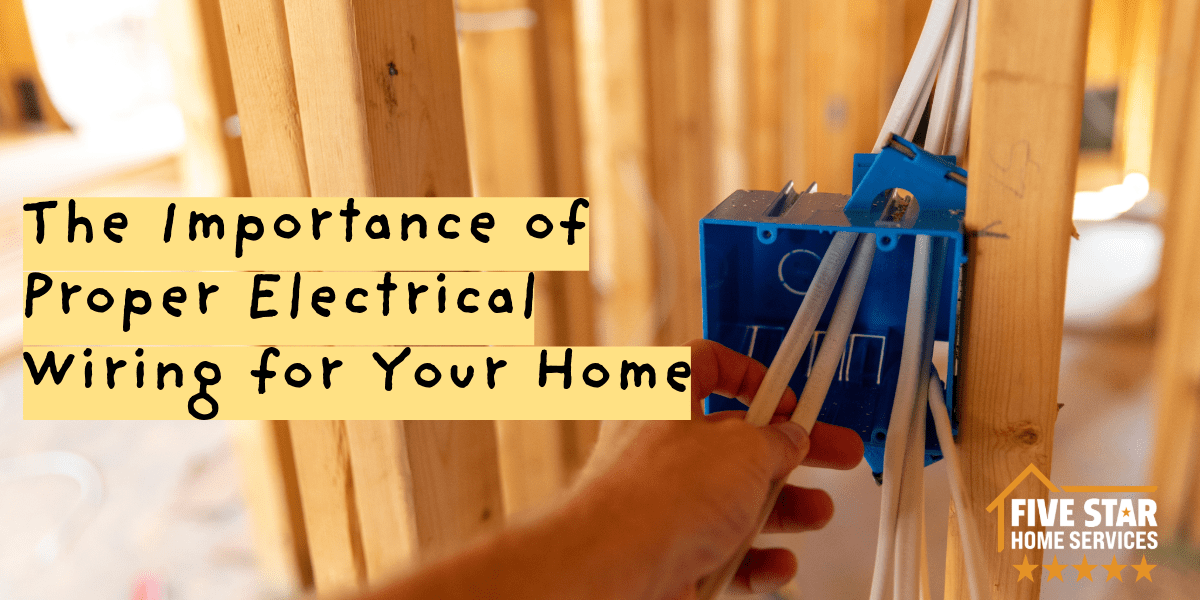
Electrical boxes provide secure mounting locations for switches, outlets, and wiring connections. Install boxes at designated positions according to the wiring plan.
Ensure boxes are firmly attached to wall studs or structural supports. The boxes should be positioned at proper heights and remain accessible for future maintenance.
Correct box installation protects wiring connections and helps maintain electrical safety standards.
Step 6: Run Electrical Cables
After installing electrical boxes, run cables between the boxes and the electrical panel. Route cables through wall cavities, ceilings, or conduits depending on the installation method.
Avoid sharp bends and excessive tension when pulling cables. Secure cables using approved fasteners and maintain required clearances from plumbing and heating systems.
Labeling cables during installation simplifies troubleshooting and future modifications.
Step 7: Connect Wires Properly
Electrical wiring typically involves three main conductors: hot wires, neutral wires, and grounding wires.
The hot wire carries electrical current from the power source. The neutral wire returns current to complete the circuit. The grounding wire provides a safety path for fault currents.
Make secure connections using approved wire connectors. Loose connections can cause overheating, arcing, and electrical fires.
Always follow color coding standards to avoid confusion and ensure safety.
Step 8: Install Switches and Outlets
Connect switches and outlets according to the wiring diagram. Ensure all terminals are tightened properly and wires are securely attached.
Switches control electrical flow to lighting fixtures and devices. Outlets provide access points for electrical equipment and appliances.
Use devices rated for the intended electrical load and environmental conditions.
Step 9: Install Circuit Breakers
Circuit breakers protect electrical circuits from overloads and short circuits. Install breakers of appropriate amperage ratings based on circuit requirements.
Each breaker should correspond to a specific circuit. Proper labeling inside the electrical panel helps identify circuits quickly during maintenance or emergencies.
Circuit breakers automatically disconnect power when unsafe conditions occur, preventing damage and reducing fire risks.
Step 10: Test the Entire System
After completing the installation, thoroughly test every circuit and device. Verify that switches operate correctly, outlets provide proper voltage, and lighting fixtures function as expected.
Use electrical testing equipment to identify potential problems before placing the system into regular service.
Any issues should be corrected immediately to ensure safety and reliability.
Benefits of Electrical Wiring
Proper electrical wiring offers numerous advantages, including:
- Safe distribution of electrical power
- Reduced risk of electrical fires
- Protection against electric shocks
- Reliable operation of appliances
- Improved energy efficiency
- Better electrical load management
- Increased property value
- Easier maintenance and troubleshooting
- Support for modern technology and devices
- Compliance with safety regulations
- Enhanced system durability
- Reduced repair costs over time
- Improved electrical performance
- Greater convenience for occupants
- Long-term reliability and safety
Disadvantages / Risks
Although electrical wiring provides many benefits, certain risks exist when installation is performed incorrectly.
- Electric shock hazards
- Potential electrical fires
- Equipment damage from faulty wiring
- Short circuits
- Overloaded circuits
- Expensive repair costs
- Risk of power outages
- Code compliance violations
- Increased maintenance requirements
- Injury caused by improper handling
- Property damage due to electrical faults
- Reduced system efficiency
- Higher insurance concerns in unsafe installations
Understanding these risks highlights the importance of proper planning, installation, and regular inspections.
Common Mistakes to Avoid
One common mistake is selecting the wrong wire size. Undersized wires can overheat and create fire hazards when carrying excessive current. Always choose wire gauges suitable for the circuit load.
Another frequent error is overloading circuits. Connecting too many devices to a single circuit can trip breakers and increase overheating risks. Proper load calculations prevent this problem.
Many beginners also neglect grounding connections. Grounding is essential for electrical safety because it provides a path for fault currents and reduces shock hazards.
Loose wire connections are another serious issue. Poor connections generate heat and may eventually cause arcing or fire. Every connection should be secure and properly insulated.
Failing to turn off power before working on circuits is extremely dangerous. Always verify that power is disconnected using a voltage tester before touching electrical components.
Ignoring local electrical codes can also lead to safety issues and failed inspections. Following approved standards ensures legal compliance and safe operation.
FAQs
1. What is the purpose of electrical wiring?
Electrical wiring distributes electricity from the main power source to outlets, switches, lighting fixtures, and appliances throughout a building. It ensures safe and reliable power delivery.
2. What are the main types of electrical wires?
Common electrical wires include copper wires, aluminum wires, non-metallic sheathed cables, armored cables, underground feeder cables, and conduit wiring systems. Each serves different applications.
3. Why is grounding important in electrical systems?
Grounding protects people and equipment by providing a safe path for fault currents. It reduces the risk of electric shock and helps circuit breakers operate correctly during faults.
4. How can I identify overloaded circuits?
Signs of overloaded circuits include frequently tripped breakers, flickering lights, warm outlets, burning odors, and unusual electrical noises. These symptoms should be addressed immediately.
5. Can beginners perform electrical wiring?
Beginners can learn basic wiring concepts and perform simple tasks where permitted by local regulations. However, complex installations should be handled by qualified electricians to ensure safety and compliance.
6. How often should electrical wiring be inspected?
Residential electrical systems should generally be inspected periodically, especially in older homes. Inspections are also recommended after renovations, major electrical upgrades, or when problems are suspected.
7. What causes electrical fires?
Electrical fires often result from overloaded circuits, faulty wiring, damaged insulation, loose connections, defective appliances, and improper installation practices.
8. What is the lifespan of electrical wiring?
The lifespan depends on wire type, installation quality, environmental conditions, and maintenance. Modern wiring systems can often last several decades when properly maintained.
Expert Tips & Bonus Points
Always create a detailed wiring plan before beginning any installation project. Planning minimizes mistakes and improves overall efficiency.
Invest in quality electrical materials rather than choosing the cheapest options. Higher-quality components often provide better safety and durability.
Use dedicated circuits for high-power appliances such as air conditioners, ovens, water heaters, and washing machines. This prevents overload conditions and improves performance.
Label every circuit clearly inside the electrical panel. Proper labeling saves time during maintenance and emergency situations.
Install surge protection devices to safeguard sensitive electronics from voltage spikes and power fluctuations.
Regularly inspect outlets, switches, and wiring for signs of wear, discoloration, or overheating. Early detection prevents major electrical problems.
Keep electrical panels accessible at all times. Avoid blocking panels with furniture, storage items, or construction materials.
When in doubt, consult a licensed electrician. Professional guidance can prevent costly mistakes and ensure compliance with safety regulations.
Future-proof your wiring system by planning for additional outlets, smart devices, and increased electrical demands. Modern homes require more electrical capacity than ever before.
Document all wiring changes and upgrades. Accurate records simplify future repairs, renovations, and inspections.
Conclusion
Electrical wiring is a fundamental part of every modern building, providing the power needed for lighting, appliances, electronics, and countless daily activities. While wiring systems may appear complex at first, understanding the basic principles makes them much easier to comprehend and manage. A properly designed electrical system delivers reliable power, improves energy efficiency, and most importantly, protects people and property from electrical hazards.
For beginners, learning about wire types, circuit components, safety procedures, and installation methods creates a strong foundation for understanding residential and commercial electrical systems. Careful planning, proper material selection, secure connections, and adherence to safety standards are all essential factors in successful electrical wiring projects.
Although simple maintenance and basic electrical knowledge can be valuable, safety should always remain the top priority. Incorrect wiring practices can lead to serious consequences, including electric shocks, equipment damage, and electrical fires. Therefore, complex installations and major upgrades should be performed or inspected by qualified professionals.
By following the guidance outlined in this electrical wiring guide, beginners can gain confidence in understanding electrical systems and make informed decisions regarding installation, maintenance, and upgrades. A well-maintained wiring system not only ensures safety but also provides reliable performance and long-term value for homes and businesses alike.